



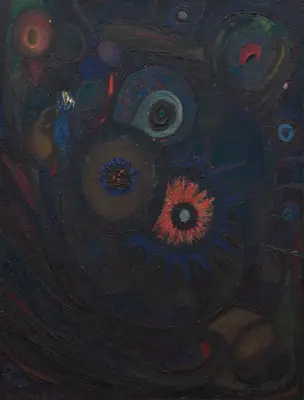
Niobe Xandó (Campos Novos Paulista, SP, 1915 - São Paulo, 2010)
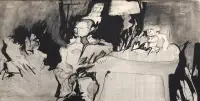
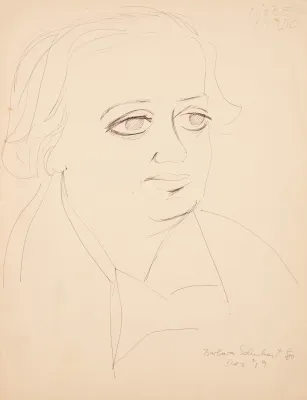
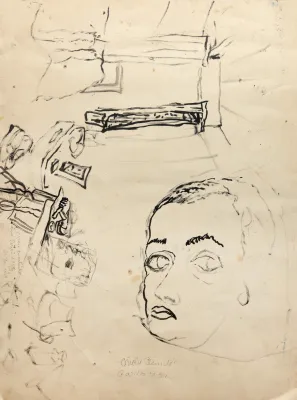
Niobe Xandó was a painter, designer and writer, self-taught. He spent his childhood and adolescence in the interior of São Paulo, moving to the capital in 1932. He married at the age of 16 to João Baptista Ribeiro Rosa, a prominent militant, and started to attend the meeting places of the Communist Party. He began his career as a plastic artist in 1947, the year he met the painters Yoshiya Takaoka (1909-1978) and Geraldo de Barros (1923-1998) at the professor and artist Raphael Galvez (1895-1961). His first solo exhibition took place in 1953, in São Paulo, at Livraria das Bandeiras, located in Praça da República.
After separating from his first husband, he remarried the Czech intellectual Alexandre Bloch, through whom he became friends with Vilém Flusser, who wrote articles about his work. During 1957, he traveled through the cities of Madrid, La Coruña and Paris. His work gained prominence in 1965, at the 8th International Biennial of São Paulo. After this period, she moved with her husband to Salvador. In 1968, the couple went to Europe, passing through Paris, London and Stockholm, returning to Brazil in 1971 and living in São Paulo until 1980.
Xandó traveled to New York in 1981 and 1983, before returning definitively to Brazil. Among the exhibitions that highlighted it are the 10th International Biennial of São Paulo, in 1969, where his work was presented in the Special Room for Magical, Fantastic and Surrealist Arts, and the 1st Latin American Biennial of São Paulo, in 1978, where His work represented the influence of African and indigenous cultures in Brazilian art.
Critical Comment
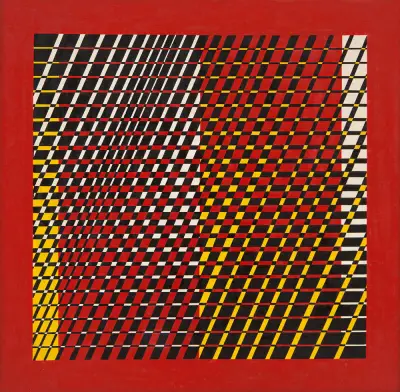
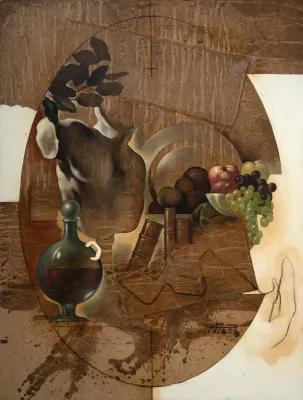
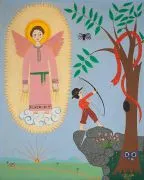
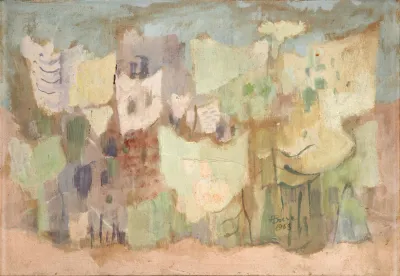
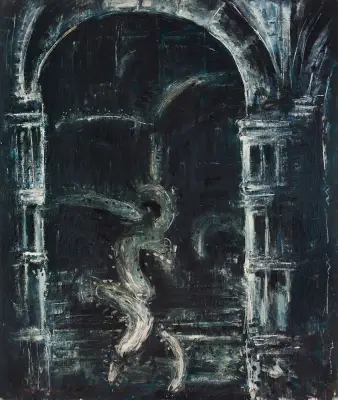
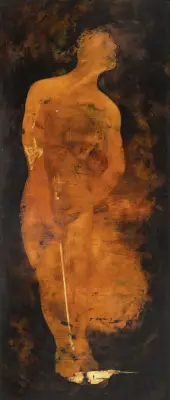
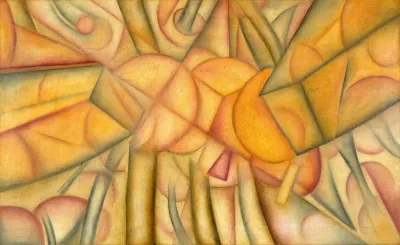
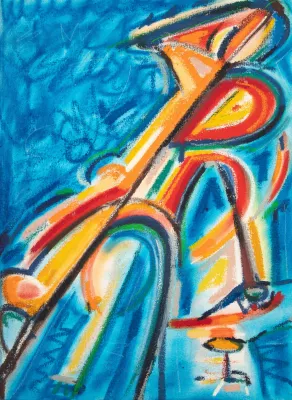
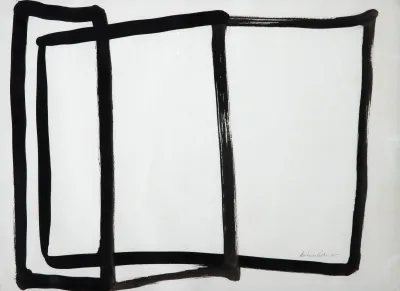
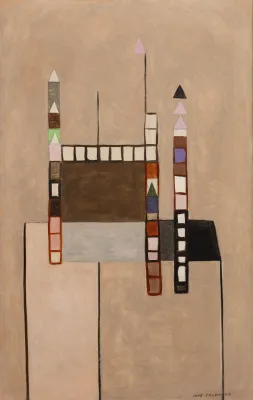
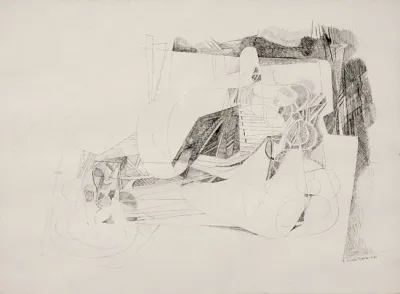
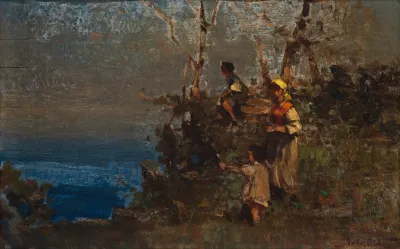
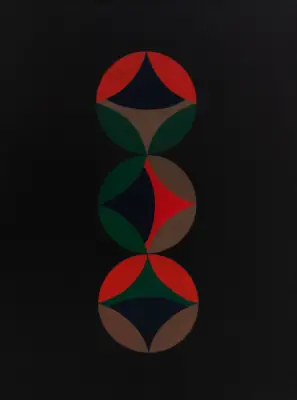
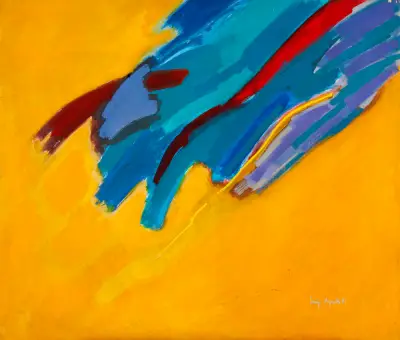
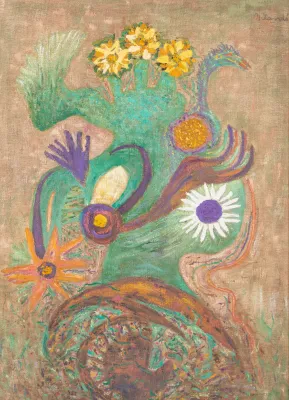
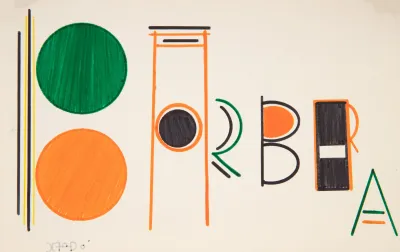
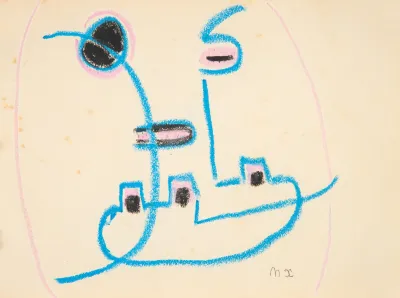
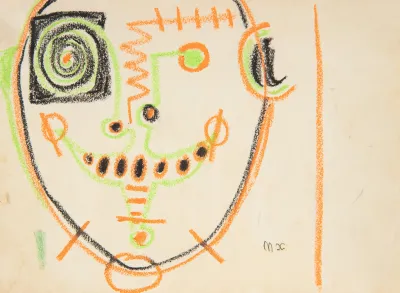
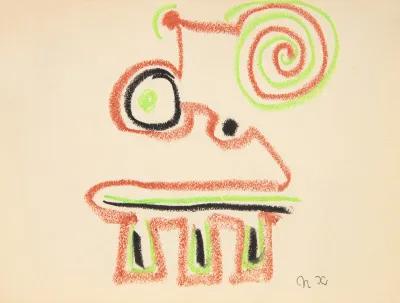
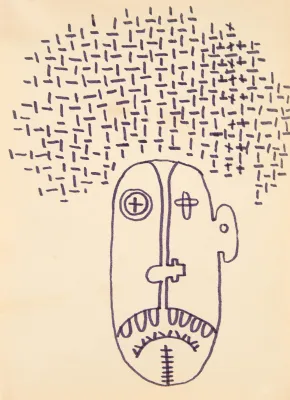
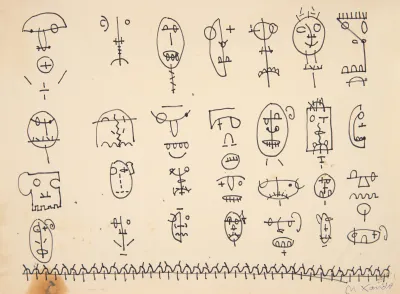
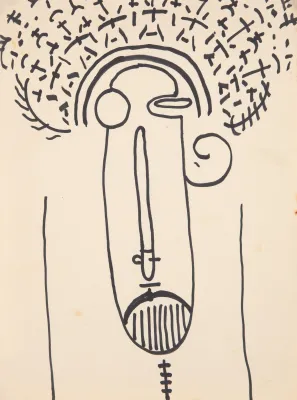
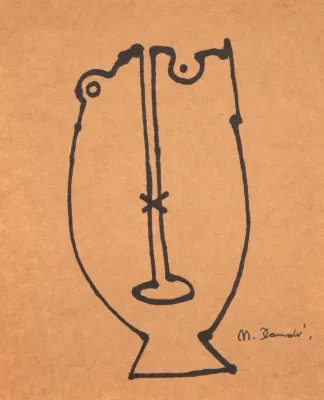
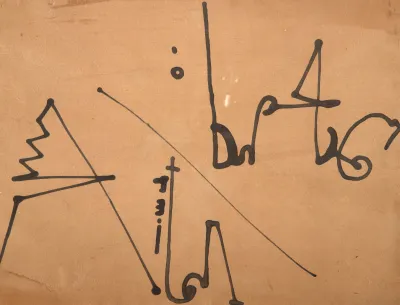
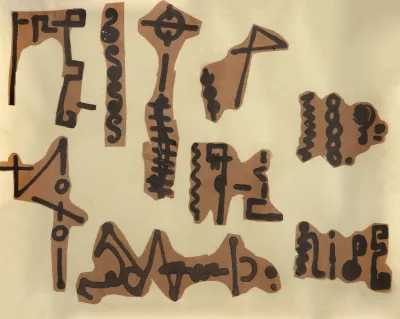
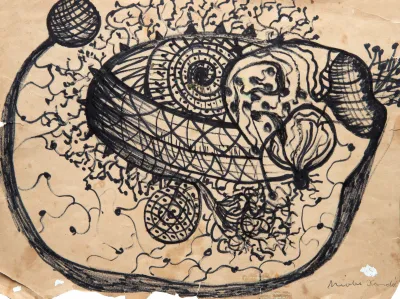
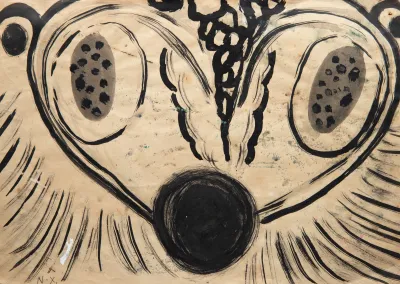
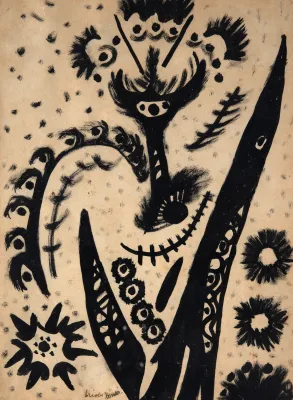
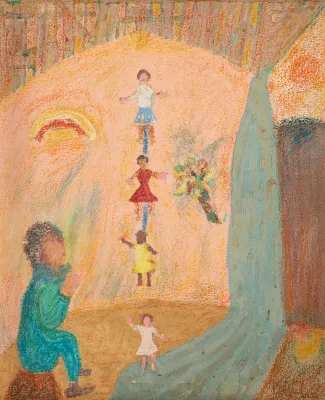
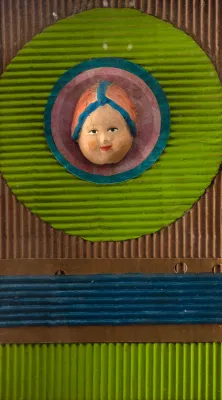
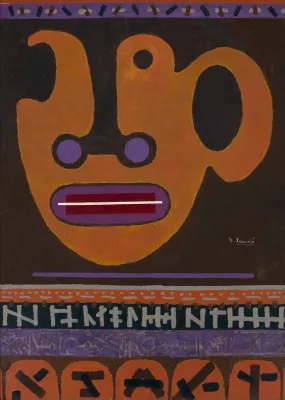
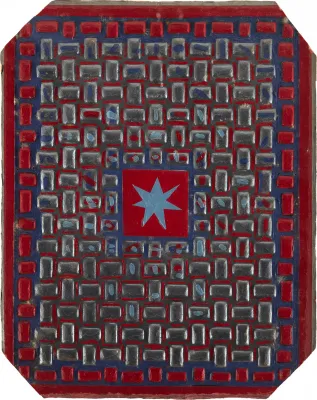
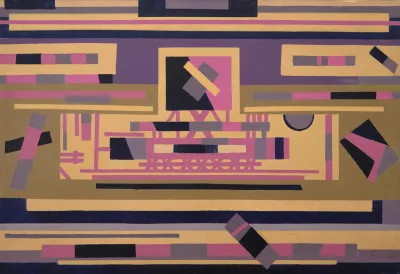
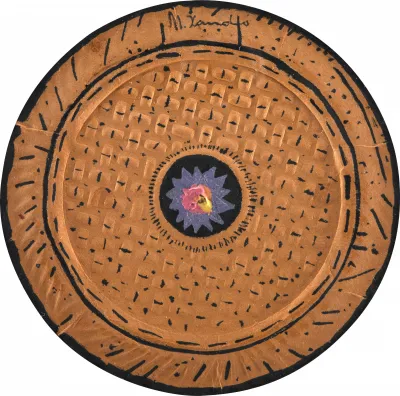
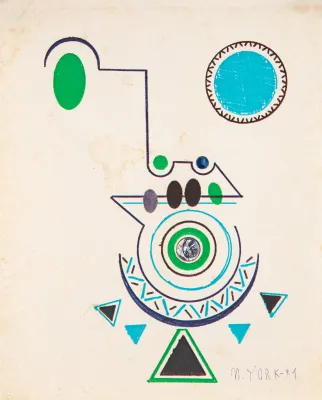
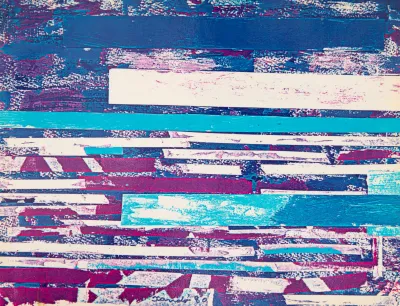
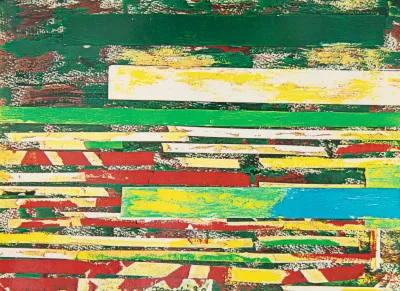
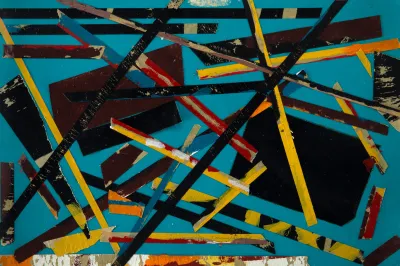
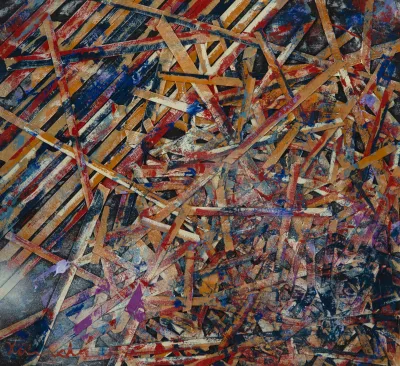
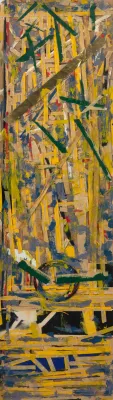
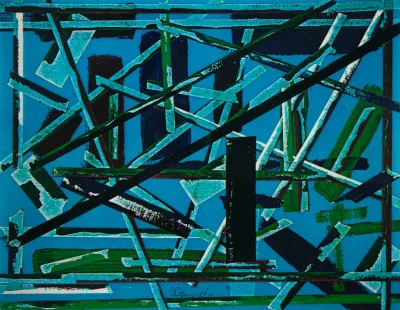
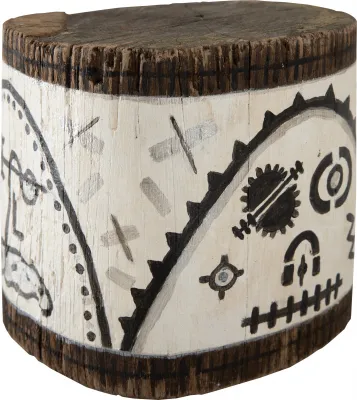
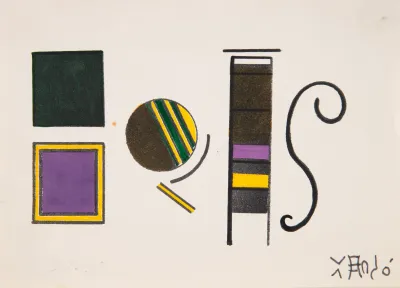
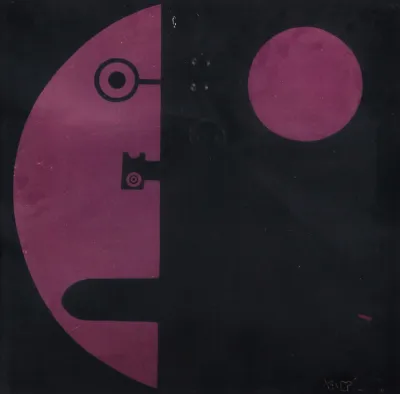
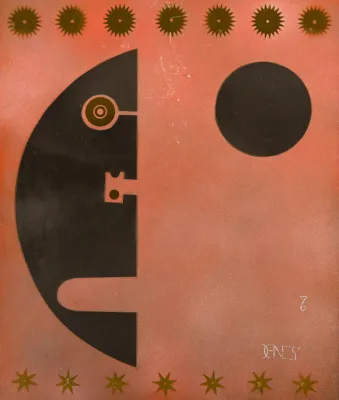
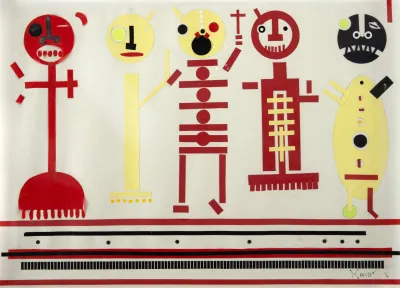
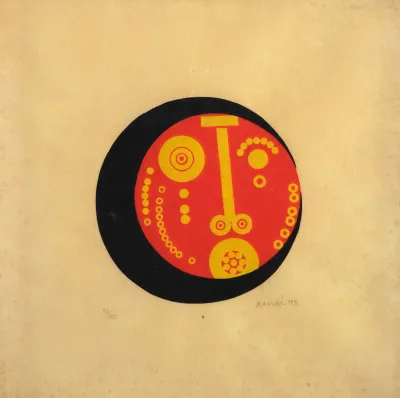
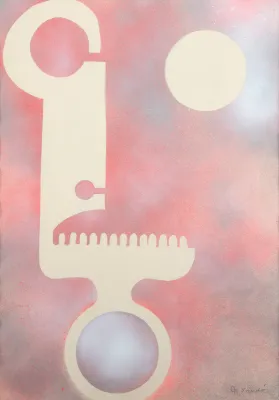
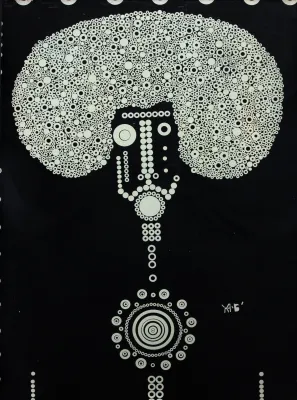
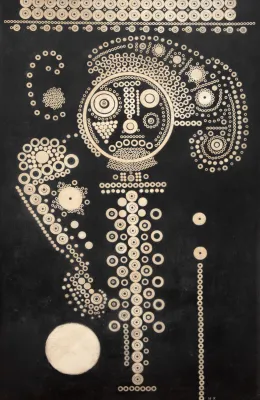
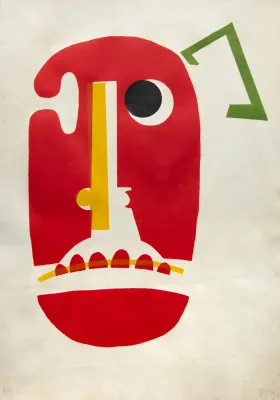
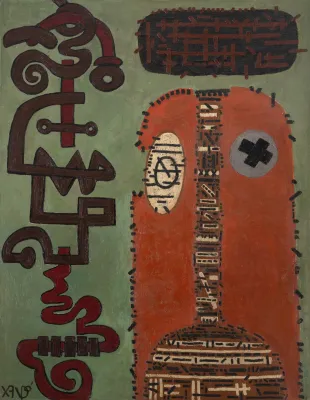
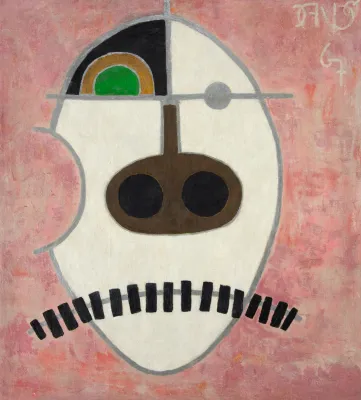
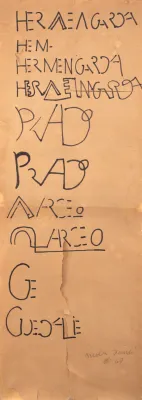
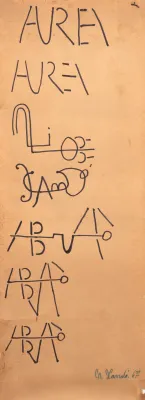
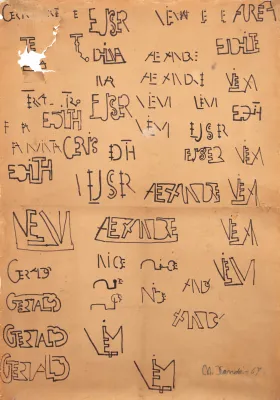
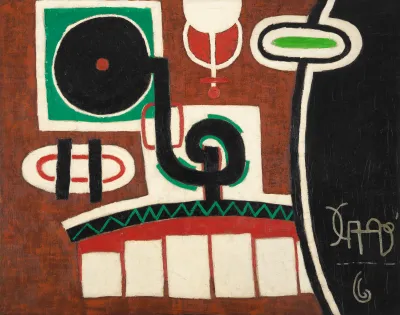
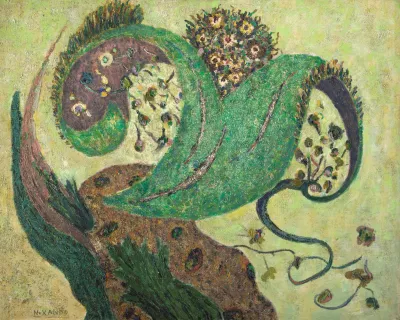
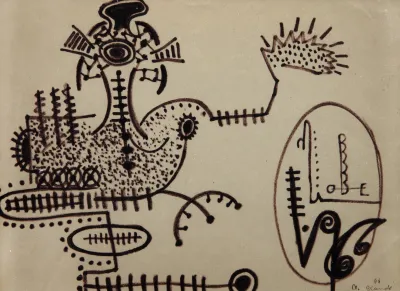
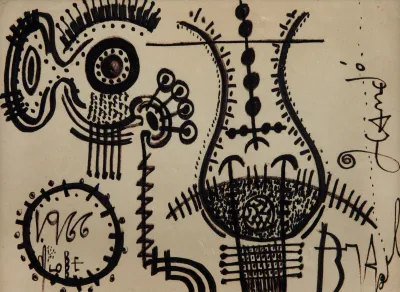
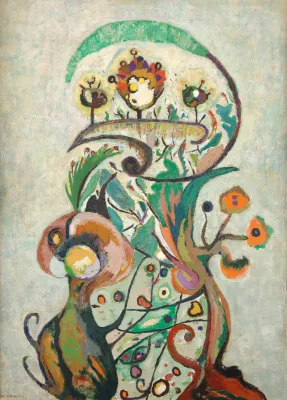
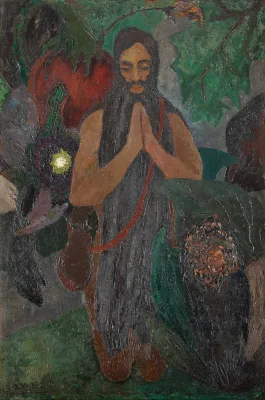
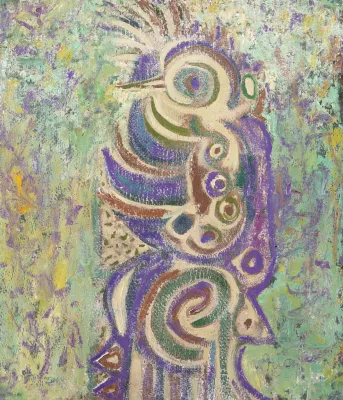
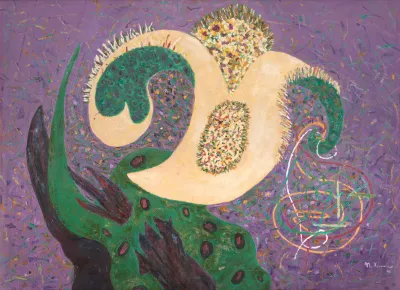
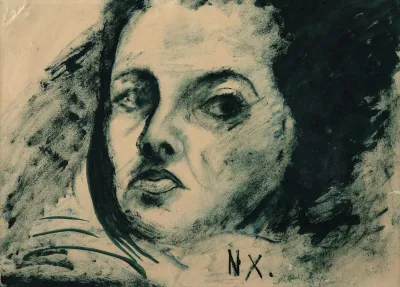
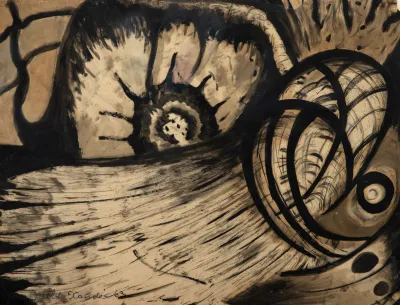
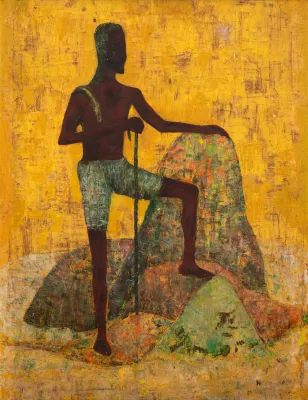
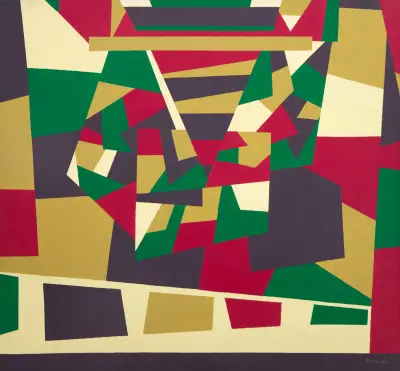
Niobe Xandó begins to paint in the 1950s, performing figurative works of a well-kept chromatism, which allow a glimpse into Multiple references: Paul Gauguin, Edvard Munch, Marc Chagall, are among them. Gradually, his work moves towards a fantastic imagination increasingly closer to abstraction, as in Bicho Estranho (1966) and Ave-Flor II (1967). The theme of masks is developed constantly during the 1960s, and becomes a recurring motif in the artist's work from then on. It is also in this decade that she creates the series of totems, in which she covers volumes of wood with the lines and colors used in the masks. Another strong current of research is that linked to letrism, a movement from the 1960s and 1970s that intended to create a new writing based on symbols. Despite not officially joining this group, Xandó performs works in line with such ideas, such as the Enigma of the New Writing I (1966) and Brazil (1970). On these works, Xandó comments, in a 1969 letter: "My problem with the letters is to contract, that is, to eliminate lines, to write the most with the minimum of them". At the same time, the artist addresses the clash between the archaic and the contemporary in works that can be grouped under the name - created by herself - mechanicalism, such as the white circle (1970) and Black Power II (1970), and about which the artist considers, in a letter 1978: "Gradually these mechanical elements began to dominate my work. Then I felt two things: horror and attraction. I think this is a conflict between the primitive and the current world".
Individual exhibitions
1953 - São Paulo SP - First individual of the artist, at Livraria das Bandeiras
1956 - São Paulo SP - Individual, at the Clubinho dos Artistas do MAM/SP
1957 - Salvador BA - Individual, at the Belvedere da Sé
1957 - La Coruña (Spain) - Individual, at Aliança Française
1957 - Madrid (Spain) - Individual, at Café Cezánne
1961 - São Paulo SP - Individual at Associação Cristã de Moços
1962 - São Paulo SP - Individual, at Galeria Astreia
1964 - São Paulo SP - Individual, at Galeria Astrorea
1966 - São Paulo SP - Individual, at the Astreia Gallery
1969 - London (England) - Individual, at Walton Gallery
1969 - Paris (France) - Individual, at the Galerie de l'Université
1971 - Stockholm (Sweden) - Individual, at Spokslott Castle
1975 - Washington (States) United States) - Individual, in the Art Gallery of the Brazilian Culture
1977 - São Paulo SP - Individual, at Galeria Azulão
1980 - São Paulo SP - Individual, at Galeria ARS Artis
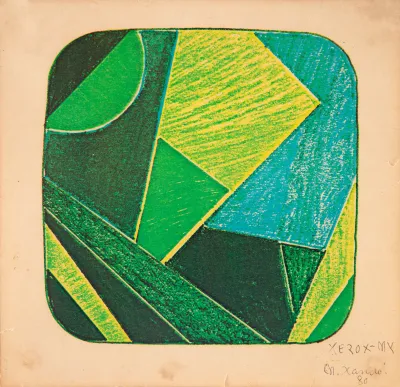
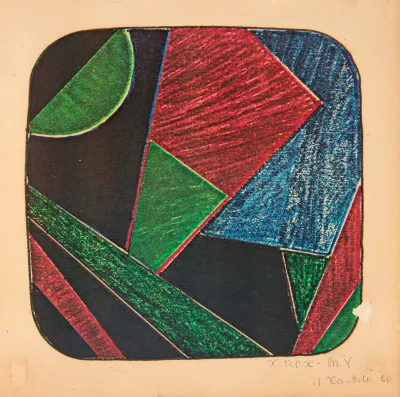
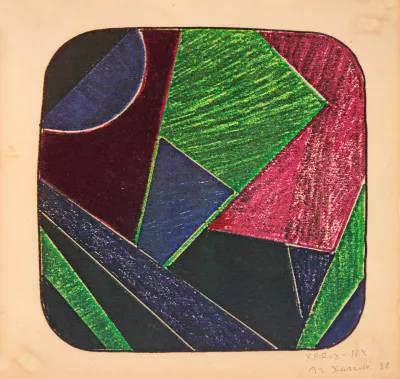
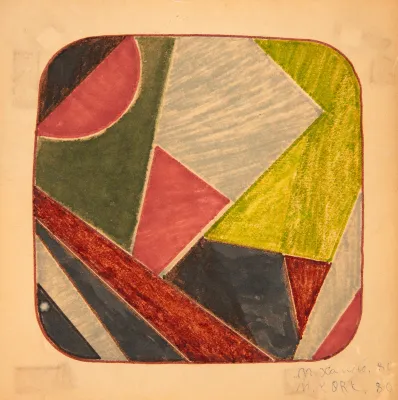
1981 - São Paulo SP - Individual Art in Xerox, at the Pinacoteca do Estado
1983 - São Paulo SP - Individual, at the Ars Artis 1989 - São Paulo SP - Retrospective, at the Paulo Vasconcelos Art Gallery
1999 - Santos SP - Retrospective, at the Pinacoteca Benedito Calixto
2003 - São Paulo SP - Fantastic Flowers and Masks, at the BM&F
2004 - São Paulo SP - Letrismo and Mechanism Space in the work of Niobe Xandó, at MAM/SP 
2007 - Ribeirão Preto SP - Individual, at the Marcelo Guarnieri
2008 - Curitiba PR - Anthological Exhibition, at the Oscar Niemeyer Museum
Collective exhibitions
1951, 56 65 - Salão Paulista de Arte Moderna, at Galeria Prestes Maia, São Paulo (small silver medal in the 1956 edition and the State Governor Award in the 1965).
1959 - 4th Mostra International, Museum of Modern Art, Paris, France.
1969 - Three designers (together with Grimberg and Macreau), Galeria Ivan Spencer, Ibiza, Spain.
1970 - 12 contemporary Brazilian artists, University of Liverpool, Liverpool, England.
1982 - Contemporary Latin American Art, New York. United States.
1982 - Women of the Americas, Kouros Gallery, New York.
1985 - 7th Exhibition of Fine Arts Brazil-Japan, Atami, Kioto and Tokyo, Japan; Rio de Janeiro and São Paulo.
2001 - Abstract Trends: Collection Exhibition, Museum of Contemporary Art of Campinas, Campinas, SP.
Source: Itaú Cultural