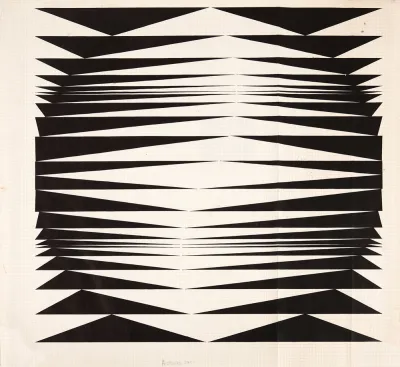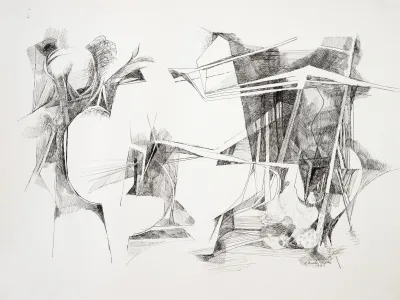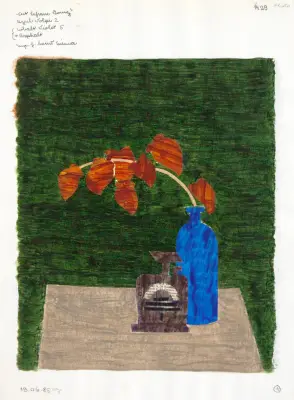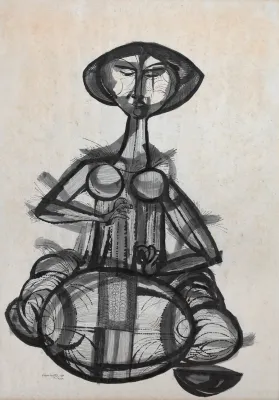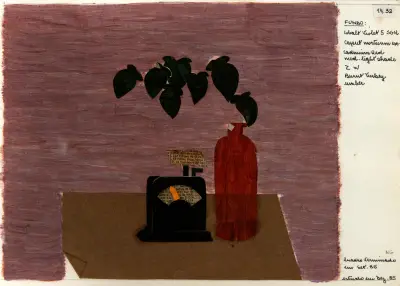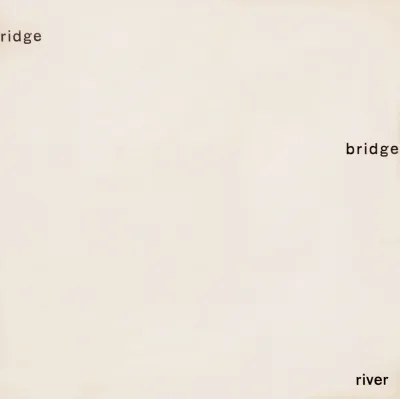
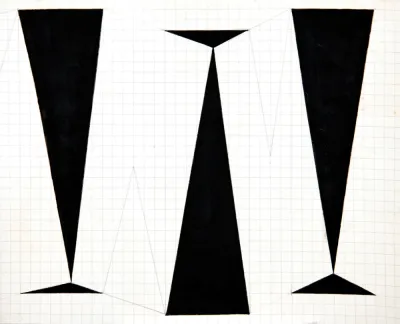
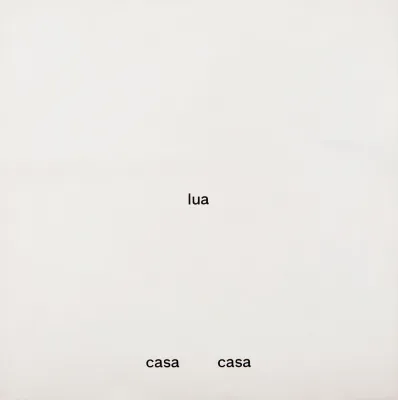
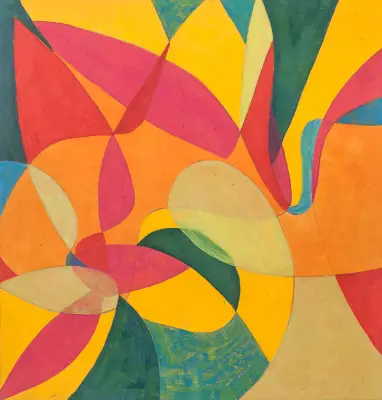
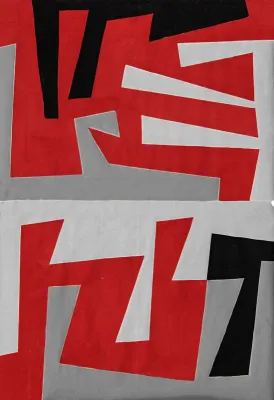
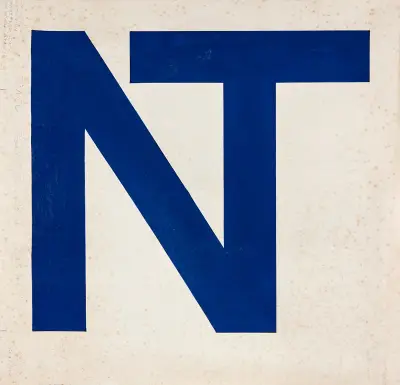





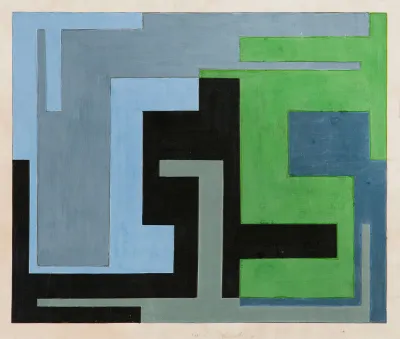
Willys de Castro (Uberlândia, 1926 - São Paulo, 1988)

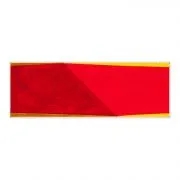
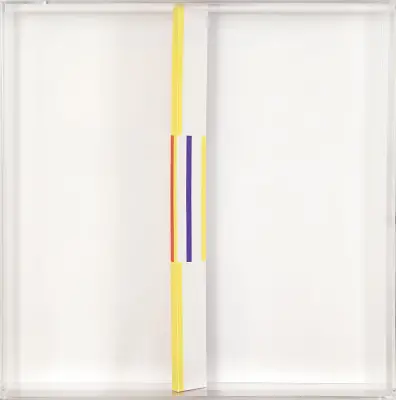
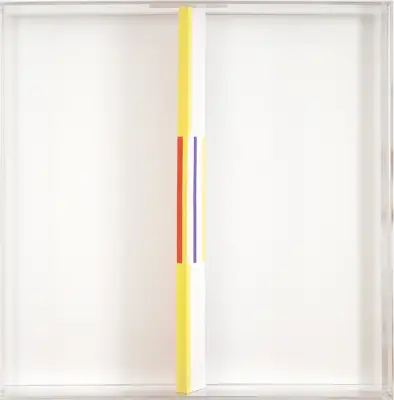
active object, three-dimensional work; OSTCSM, 138x2x11, 1960.
Willys de Castro was a painter, engraver, draftsman, set designer, costume designer, graphic artist, Brazilian plastic artist linked to the movements Concrete and neo-concrete, who worked with painting, recording, drawing, scenography, costumes and graphic works, presenting together the diversity of his work the relations between form, color, space and time. Through them, he embraced the reinterpretation of the visual language of Mondrian and Malevich - suprematism, geometric abstraction, monochrome and spatial movements[1] - from the Russian vanguard, from the Dutch "Stijl" artists, later deepened in certain directions by Max Bill - Maximum exponent of the Swiss school - and the group of Ulm[2].
1941: In São Paulo he studied drawing with André Fort. During the period 1944-1949 he worked as a technical designer and graduated in Chemistry.
1950: He begins an internship in graphic arts and performs his first paintings and abstract-geometric drawings. Ovvero, geometric research of mathematical rigor allied to the simplification of form[3], a fact that causes him to perform works of a constructivist nature (in 1953 ca.) that bring him closer to the three-dimensional reliefs of Vladimir Tatlin (1885-1953), whose artistic expression would be pursued, years later, by the socialist realism implemented by Josef Stalin. Other important links: (1) Wasilli Kandinsky (1866-1914) in 1911, in Germany (2) that of Stijl, created in 1917, which brings together Piet Mondrian (1872-1944), Theo van Doesburg (1883-1931) around abstract research and (3) suprematism, founded in 1915 by Kazimir Malevich (1878-1935), also in Russia.
Of course, it is clear that the understanding of Wyllis' artistic production involves understanding the movements related to suprematism, neoplasticism - abstract geometric painting composed of horizontal and vertical black lines on co-participant white background. Colorful blocks with primary colors 'red, blue and yellow', typical of Piet Mondriam (1872-1944) - Constructivism, Concretism, led in São Paulo in the 1950s, by Waldemar Cordeiro[4] In an abstract form of art without any representation or symbolic content that the work itself we could say:
"The developmental context of belief in industry and progress gives the tone of the time when the adherents of concrete art in Brazil will move. The concrete program starts from an approximation between artistic and industrial work. From art, any lyrical or symbolic connotation is removed. The painting, built exclusively with plastic elements - planes and colors -, has no other meaning than itself".
The movement unfolded, in Brazil, by the carioca "neo-concretism", from 1959 onwards. Read:
"Against constructive orthodoxys and geometric dogmatism, neoconcretes defend freedom of experimentation, return to intentions expressive and the rescue of subjectivity[5]."
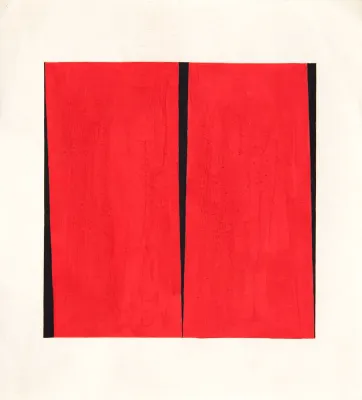
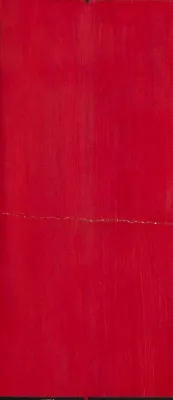
1960's: In his work, the "objects" historically stand out actives", carried out in the period by joining the color of the painting to the relief of the sculpture. In general, they are works painted on canvas and glued to wood, displaying geometric painting in three of its four edges, attaching the fourth edge to the wall, so that the spectator cannot cover it in a single look The extension of the work[6].
1954: ...funds with Hercules Barsotti (1914-2010) A studio of graphic projects and participates in the Ars Nova movement, performing poems Concrete-visuals presented in the Brazilian Theater of Comedy - TBC. He is co-founder of Teatro Brasileiro magazine, in 1955. He makes sets, costumes and plays for the Teatro de Arena and the Teatro Cultura Artística. In 1957, he received an award from the São Paulo Association of Theater Critics and works as a technical counselor for the magazine Vértice.
In 1958, he travels to study for Europe and, the following year, when he returns to the NeoConcreto Group of Rio de Janeiro, alongside Hercules Barsotti, Ferreira Gullar (1930-...), Franz Weissmann (1911-2005), Lygia Clark (1920-1988), among others.
1960: Between 1959 and 1962, it performs the series active objects, works that explore the plane and the volume as plastic elements, questioning the use of the canvas as a support of the pictorial language. Co-founder and member of the Brazilian Association of Industrial Design - ABDI and the Novas Tendências Group. From 1966 to 1967, he designs prints for fabrics aimed at industrial production.
In the 1980s, he started researching constructions in wood, metal, stainless steel and other materials, with effects of color and movement, the pluri-objects.
In the "WILYS DE CASTRO EXHIBITION", curated by historian Regina Teixeira de Barros[7] presented in 2012, at the Pinacoteca do Estado de São Paulo, the large thematic groups can be seen know: "angels" (1955), "sum between planes" and "active objects[8]" (1959 - 1962), "pluriobjects" (1988) and graphic designs.
Despite the Hard and inflexible leadership of Waldemar Cordeiro, the Concretists were guided by different paths among them: Fiaminghi, Saciloto, Noguerira Lima, Cordeiro, Lothar Charoux and Wyllis himself without forgetting the Cariocas Amílcar de Castro, Weissmann, Palatnik, Coal, Lygia Pape, Oiticica, among others.
Florilegio
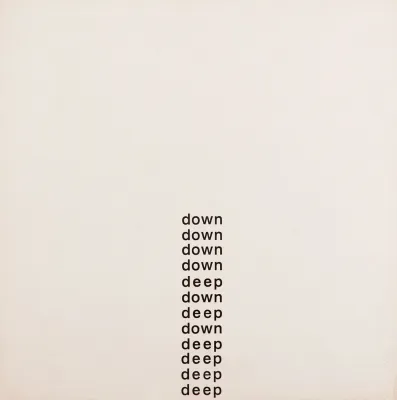
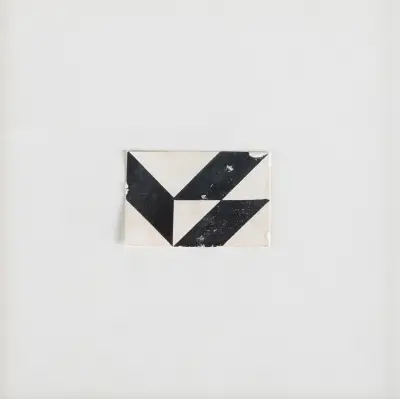
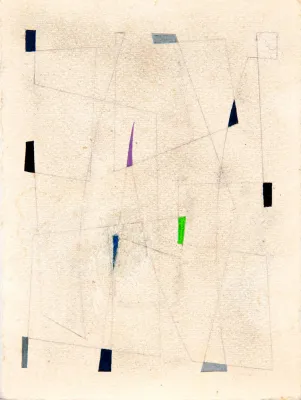
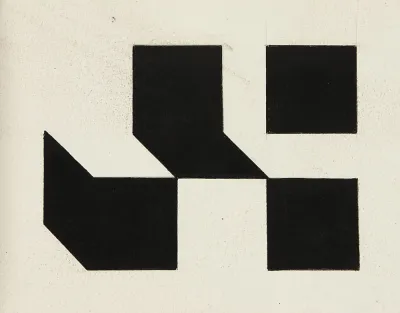
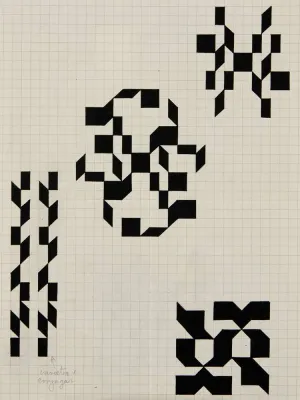
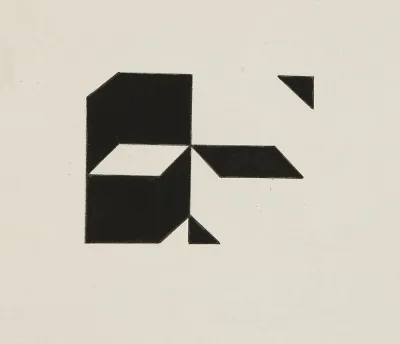
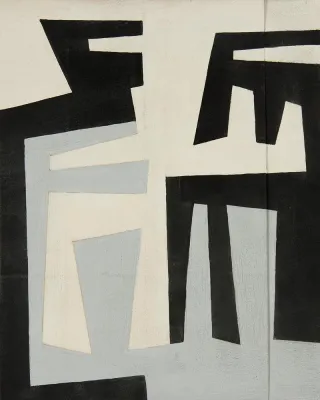
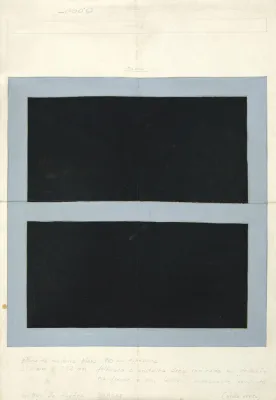
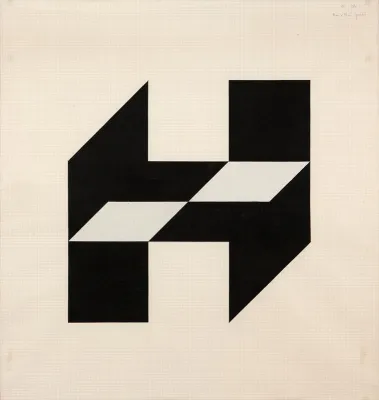
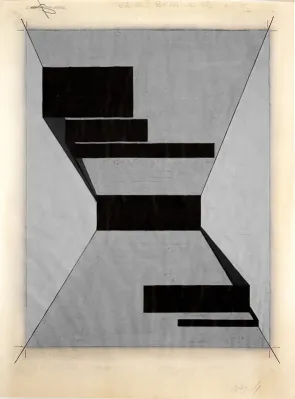
Willys de Castro made his first paintings at the end of the 1990s. 1940 and, from 1950 onwards, it works with geometric abstraction. In 1954, he founded with the artist Hércules Barsotti (1914) the studio of graphic projects, in which he worked until 1964. He dedicates himself to visual programming and patterns for fabric patterns. In the 1950s and 1960s, he also works in the making of sets and costumes for theater. The artist's production, in the second half of the 1950s, is related to that of the artists of the concrete movement. He calls his works simply paintings, numbering them or indicating that it is a second or third version. It works with a deliberately restricted number of issues: balance, tensioning and instability.
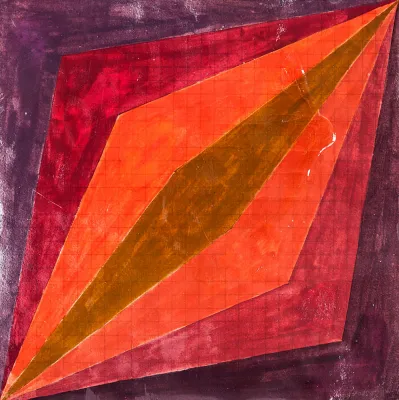
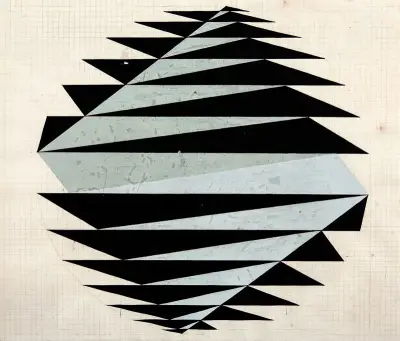
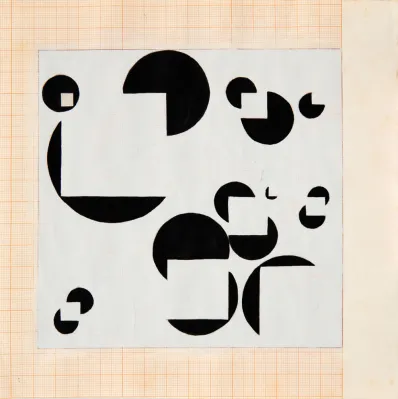
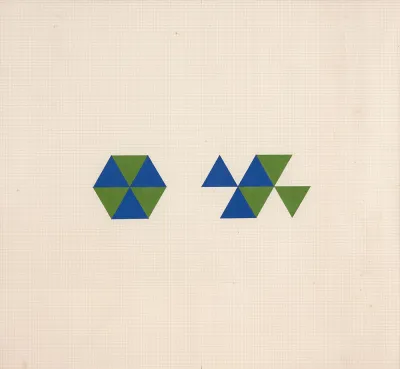
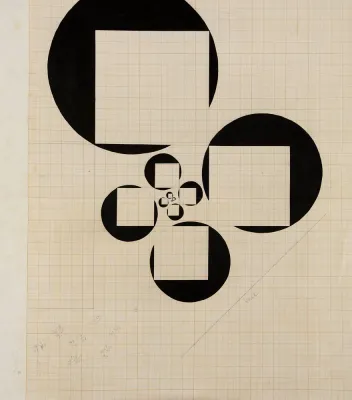
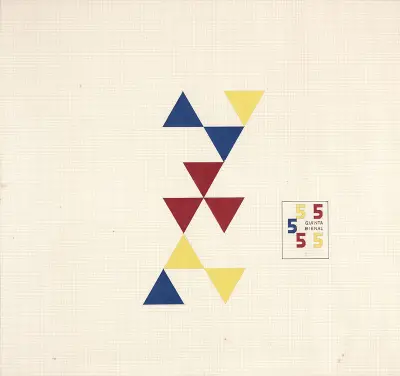
The work Disintegration 5 (s.d.) has a structure formed by colored triangles, distributed on a central-diagonal axis, which tends to rotate on yourself. These triangles are joined together by just one of the vertices. The composition suggests a balance about to break and is stabilized by the triangles that form in the voids between the colored triangles. Thus, symmetry and asymmetry and real and invisible elements coexist in this work. In painting 172 (s.d.), the artist presents the metaphor of the eclipse, exploring the passage from one circular form over another. In the other painting painting (1958) Willys deals with the relationship of contiguity and detachment: as in a game of billiards, the spheres touch each other and propel each other. In these works, he works with elements and issues common to the concrete movement: pure colors, geometric shapes, optical and kinetic effects and proximity to the graphic design. The basic structure of the frame is not broken, as in later works.
From 1959, it creates the active objects, their best-known works, consisting of rectangular pieces of wood - profiles or wooden rulers - covered with canvas, with three surfaces painted abstract-geometrically. These objects are fixed to the wall by one side. The painting presented in the frontal plane thus demonstrates a continuity in the lateral planes. The spectator must move and his gaze needs to travel through the surfaces to observe the object in its entirety. The work seems to float in space and is created at the moment of its perception. The artist deals with issues related to the conflict between two-dimensional surface and real space. Its proposal is to question the use of the canvas as a support for pictorial language and, in this way, it is approached to the same aspect to which the neoconcrete works of Lygia Clark (1920 - 1988) and of Hélio Oiticica belong (1937 - 1980).
After almost two decades without exposing, in the mid-1970s and based on research initiated with active objects, Willys performs the pluriobjects, metal or wood sculptures that result from operations similar to those of objects Assets: The displacement of a portion or element that reorders the whole. He dialogues like this with other three-dimensional experiments by artists such as Amilcar de Castro (1920 - 2002) and Franz Weissmann (1911 - 2005). In Pluriobjeto A6 (1988), for example, it works with a vertical wood structure, in which it explores, through a displacement, the stability/instability tension, giving it, however, great lightness. In pluriobjects, as in active objects, the work is never completed, because there is no ideal point of observation and the subject must question it from different angles of view.
Willys de Castro explores very subtle relationships between form, color, space and time. He is one of the most notable participants in the neoconcrete movement and stands out for research that led him to be one of the pioneers to break with the use of the two-dimensional surface of the canvas as a support for pictorial language. Active objects, for the art critic Frederico Morais, are their greatest contribution to Brazilian constructive art.
Criticism
"regardless of their reduced production in recent years - more concentrated than in visual programming or projects patterns for fabrics -, Willys de Castro created, in the early 1960s, when a participant in the neoconcrete movement, a series of works he himself called active objects, whose importance did not fail to add new aspects today. de Barsotti - but already having a whole chromatic, playful and lyrical vivacity, in addition to clearly putting themselves on the path of overcoming the plane through space -, these objects once again proposed the old question of the best meeting point of the virtual with the real. of boards, geometrically treated by the painting on three of its four surfaces with the fourth surface, were attached to the wall, so that the spectator could perform a 180-degree vision path, never being able, however, to have at a single moment all the perception of each of these parts. Ferreira Gullar, when referring to them, discerned in them an attempt to eliminate the basic surface of the painting, reducing the front plane of the work to the surface wire, to its thickness. The color that occupies from top to bottom this small plane suddenly breaks at a certain point and the color fragment, which is missing there, slides to the lateral plane, indicating a continuity of the surface outside the plane. The problem posed in these works is interesting and new, because it restores in other terms the conflict between the two-dimensional surface and the space of real depth: time - the movement of the spectator - recovers the two-dimensionality of the three-dimensional space'. Today, in the few new objects produced, Willys de Castro has actually tried to perfect that old research, including, episodically, in the field of the multiple, to extract all the wealth of implicit possibilities from it."
Roberto Punctual
PONTUAL, Roberto Art/ Brazil/ Today: 50 years later São Paulo: Collectio, 1973. p.393.
"(...) less than promoting syntheses and adding things To the world, Willys de Castro seems determined to dissect the miracles of reason, descend to the various and complex dimensions, to the various and complex articulations that produce a thing, anything and anything. For this reason, since the active objects of 1959, the strategy has always been less creating objects than to highlight the problematic character of the object, to show its situation, so to speak, to point to its nature. At the limit, investigate the conditions of its appearance. And if the problem of appearing goes back, for sure, to the purest tradition of Greek metaphysics, it receives a decidedly modern answer here - it is about interpreting perception as a certain modality of logic doing. Of course, art does not repeat, it must not simply repeat the formulations of science. It is enough to remember the artist's dissension against the concrete mechanism. The aesthetic dimension does much more: it restores the individual in the troubled and strange current world by leading him to make the sensible experience of the real as he understands it and erects modern science. In the manner of Josef Albers, for example, Willys de Castro sees art as an effort to structure the real parallel to that of science and inseparable from it. If anyone argues that there would be something of science in this art, then we may be obliged to agree. To add that, ultimately, there would also be something of art in science."
Ronaldo Brito
modernity: 20th-century Brazilian art. 1988.
"Willys de Castro and Hércules Barsotti are two artists from São Paulo who, dissenting from the leadership of Waldemar Cordeiro, approached the carioca group and participated in the neoconcreta shows. As painters, both used an economic vocabulary derived from the concrete experiences. Willys de Castro, however, questioned the use of the canvas as a support for pictorial language and this was what led him to create the 'active objects' (...). Willys de Castro's 'active objects' derive from the same inventive aspect to which other neoconcrete works belong, especially the 'reliefs' of Oiticica and some 'modulated surfaces' of Lygia. They are related but different, that is, a different answer to the same question that generates all these answers: the painting (or canvas) as the object of the painting. In the same way that the abandonment of the finishing (fin) in the impressionist painting pointed to the autonomy of the pictorial language and, in this course, to the abstract painting, the elimination of the theme object led to the rupture with the two-dimensional surface of the canvas. Willys, so to speak, positions it perpendicular to the wall and shows us its thread, its thickness, and paints it: it performs a micro composition that, by extending to the lateral face of the 'screen', underlines its three-dimensionality". Gullar
AMARAL, Aracy (Coord.). Constructive art in Brazil: Adolpho Leirner Collection. São Paulo: DBA, 1998. p.178 to 181.
"At first glance, the first concrete works of Willys de Castro are similar to the works of the members of the rupture. They use the 'grid' that subsidizes the arrangement of the plastic elements with mathematical formulas and look for an anonymous image. However, immediately, the use of color distinguishes his works from the group's production. One of the few coloristic talents of Brazilian concretism, understanding shape and color in an inseparable way - form-color -, the artist indifferent to the chromatic dogma of Waldemar Cordeiro and his companions: the prescription of primary and complementary colors, the prohibition of the Tonalism and the dichotomy between form and color with the submission of the second to the first - simple but restrictive rules, proposing color as a concept. (...) Willys de Castro's experiences in Concretism, aiming to renew the pictorial plane and Euclidean geometry, respectively, as a plastic and autonomous structure and emancipated visual language, developed in three aspects of investigation: the examination of the spatiality characteristic of the Easel canvas, the study of the semantic possibilities of the geometric visual lexicon and the integration of plastic and informational research into a single vein of experimentation. The achievement of an averse support for illusionist maneuvers and a formal language free from the obligation to figure the things of the world were fundamental stages in the process of self-awareness of painting and in the acquisition by the painter of self-presentative and autonomous plastic-informational means". Roberto Conduru
CONDURU, Roberto Willys de Castro: The beautiful on the agenda. 1998. 104 p., Il. P&B. Master's - , Rio de Janeiro, 1998, p. 16-18.
"The effort of Willys de Castro has always been in the sense of carrying out a self-referring work, attracting the spectator's attention to what happens in the restricted space of the work. As the artist wrote: 'Containing events of his own time - initiated, elapsed, ended and restarted - and demonstrated there clearly, fluently and indefinitely, the active object is inaugurated in the world as an instrument of telling itself'. In it there is no more opposition between front and back, right and reverse, inside and outside, center and periphery, between the real and the virtual, and, in the limit, between the spectator and the work. This, as if floating in a space that still does not have a name, as it is being created at the moment of perception. In the active object, as in its pluri-objects, from the 1980s, the space is not unifocal and perspectivist, but open, enveloping, phenomenological. The spectator's gaze, activated, needs to be attentive to everything that happens on the screen, relief or object, connecting what is left with what is missing, supplying the void with full, completing what is incomplete, coming and going, in elliptical trajectories. time as raw material. Not the time of the machine, pendulous and repetitive, but the organic time, of the body, which is always unpredictable".
Frederico Morais
Tridimensionality: Brazilian art from the 20th century. Itaú Cultural : Cosac & Naify, 1999. p. 232.
"While the exhaustion of the real and virtual potentialities of the plan leads Clark and Oiticica to the definitive abandonment of the painting, Hercules Barsotti never fails to paint, while Willys de Castro stops for a long time in a borderline between the painting and the object. Knowing the issues inherent in painting, he dedicates himself to how a double agent would do to explore the various sides of the problem in detail. Aware that a visual event even restricted to the plane is never exhausted in a single reading, it uses minimal interference to induce the gaze to travel across the surface from one edge to another, perceiving flaws and slips, in order to gestally reassemble the composition. Through small openings and wide leaks, it suggests the continuity of the painting beyond the rectangle of the frame. The overflow of the ink to the side of the support and from there to its back, a 180-degree turn, strength and thickness rescue, given essential to the volume: in the blade perpendicular to the wall, what in the frame was the side becomes front and back disappears. The emphasis on the frontality of what in the origin was profile ends up reducing the object to a batten where small cuts and displacements interfere. The painting finally vacates the small space and, against the wall, there are wooden beams or metal strips. Step by step, through discrete and consequent actions, Willys de Castro forms his plastic thinking, which equates his work, methodologically, with a work of investigation".
Maria Alice Milliet
Show of Rediscovery, 2000, São Paulo, Sp. Modern art. São Paulo: Fundação Bienal de São Paulo: Associação Brasil 500 years Visual Arts, 2000. p.54.
Corps
Collection Museum of Contemporary Art of the University of São Paulo - SP
Collection Museum of Modern Art of São Paulo - SP
Art Office Raquel Arnaud - São Paulo SP
Individual exhibitions
1959 - São Paulo SP - Individual, at the Folhas Art Gallery
1962 - Rio de Janeiro RJ - Individual, at Petite Galerie
1962 - São Paulo SP - Individual, at Petite Galerie
1983 - São Paulo SP - Individual, at the Cabinet de Arte Raquel Arnaud
Collective exhibitions
1953 - São Paulo SP - Salão de Agosto, at Casa do Povo
1954 - São Paulo SP - 3rd Salão Paulista de Arte Moderna, at Galeria Prestes Maia
1957 - São Paulo SP - 4th São Paulo International Biennial, at the Ciccilo Matarazzo Sobrinho Pavilion
1957 - São Paulo SP - 6th São Paulo Salon of Modern Art, at the Prestes Maia Gallery - Governador Award of the State
1958 - São Paulo SP - 7th Salão Paulista de Arte Moderno, at the Prestes Maia Gallery
1959 - Assunção (Paraguay) - Obras del Museo de Arte Moderno de San Pablo, at Salon Carlos Antonio Lopes
1959 - Rio de Janeiro RJ - 1st Exhibition of Neoconcreta Art, at MAM/RJ
1959 - Rio de Janeiro RJ - Poema book, at Jornal do Brasil
1959 - Salvador BA - 1st Neoconcreta Art Exhibition, at the Belvedere da Sé Gallery
1960 - Rio de Janeiro RJ - 2nd Neoconcreta Art Exhibition, at the Ministry of Education and Culture
1960 - Rio de Janeiro RJ - 9th National Hall of Modern Art, at MAM/RJ
1960 - Zurich (Switzerland) - Konkrete Kunst, at Helmhaus
1961 - Paris (France) - 2nd Bienal dos Jovens, at the Musée D´art Moderne de la Ville de Paris
1961 - São Paulo SP - 3rd Exhibition of Neoconcreta Art, at MAM/SP
1961 - São Paulo SP - 6th International Biennial of São Paulo, at the Pavilion Ciccilo Matarazzo Sobrinho
1963 - Kobe (Japan) - International Society of Plastic Art, at Daimaru's Exhibition Hall
1964 - Rio de Janeiro RJ - 2nd The face and the Work, at the Ibeu Copacabana Gallery
1965 - London (England) - Brazilian Art Today, at the Royal Academy of Arts
1966 - Bonn (Germany) - Brasilianische Kunst Heute, at Beethovenhalle
1967 - São Paulo SP - Exhibition of Engravings, at Galeria Art
1969 - São Paulo SP - Original engravings, at Galeria Astreia
1970 - São Paulo SP - Inaugural Exhibition, at Galeria Astrorea
1971 - São Paulo SP - Retrospective of Brazilian fashion, at MASP
1972 - São Paulo SP - Art/Brazil/Today: 50 years later, at the Collectio Gallery
1973 - Brussels (Belgium) - Image of Brazil, at the Manhattan Center
1975 - Rio de Janeiro RJ - Communication according to plastic artists, on Rede Globo - Itinerante
1977 - Rio de Janeiro RJ - Brazilian constructive project in art: 1950-1962, at MAM/RJ
1977 - São Paulo SP - Brazilian constructive project in art: 1950-1962, at Pinacoteca do Estado
1982 - Rio de Janeiro RJ - Contemporaneity: Homage to Mário Pedrosa, at MAM/RJ
1983 - São Paulo SP - Imaginar o Presente, at the Art Office Raquel Arnaud
1984 - Rio de Janeiro RJ - Neoconcretism 1959-1961, at the Banerj Art Gallery
1984 - São Paulo SP - Tradition and Rupture: Synthesis of Brazilian Art and Culture, at the Bienal Foundation
1985 - Rio de Janeiro RJ - Meetings, at Petite Galerie
1985 - São Paulo SP - Highlights of Brazilian Contemporary Art, at MAM/SP
1987 - Paris (France) - Modernity: 20th century Brazilian art, at the Musée d'Art Moderne de la Ville de Paris
1987 - Rio de Janeiro RJ - 1st Geometric Abstraction: Concretism and Neoconcretism, at the National Art Foundation. Arts Center
1987 - São Paulo SP - 19th São Paulo International Biennial - In Search of the Essence - Elements of Reduction in Brazilian Art, at the Bienal Foundation
1987 - São Paulo SP - 1st Geometric Abstraction: Concretism and Neoconcretism, at MAB/FAAP
Posthumous exhibitions
1988 - São Paulo SP - Adventures of the Order, at the Art Cabinet Raquel Arnaud
1988 - São Paulo SP - MAC 25 years: Acquisitions and recent donations at MAC/USP
1988 - São Paulo SP - Modernity: 20th century Brazilian art, at MAM/SP
1989 - São Paulo SP - 10 sculptors, at the Art Office Raquel Arnaud
1990 - São Paulo SP - Coherence - Transformation, at the Art Office Raquel Arnaud
1991 - São Paulo SP - Constructivism: Art Poster 40/50/60, NO MAC/USP
1992 - Curitiba PR - 10th Exhibition of the Engraving City of Curitiba/Mostra América, at the Engraving Museum
1992 - Zurich (Switzerland) - Brasilien: Entdeckung und Selbstentdeckung, at Kunsthaus Zürich
1993 - São Paulo SP - MASP at Morumbi Shopping, at the Morumbi mall
1994 - São Paulo SP - Bienal Brasil Século 20th, at the Biennial
1994 - São Paulo SP - Individual, at MASP
1994 - São Paulo SP - Willys de Castro: works from 1954-1961, at the Sylvio Nery da Fonseca Art Office
1996 - Rio de Janeiro RJ - Constructive trends in the MAC/USP collection: construction, measurement and proportion, at CCBB
1996 - São Paulo SP - Brazilian art: 50 years of history in the MAC/USP collection: 1920-1970, at MAC/USP
1996 - São Paulo SP - The World of Mario Schenberg, at Casa das Rosas
1997 - Porto Alegre RS - 1st Mercosur Visual Arts Biennial, at the Mercosul Visual Arts Biennial Foundation
1997 - Porto Alegre RS - Constructive Strand and Design, at the ULBRA Cultural Space
1997 - São Paulo SP - Three-dimensionality in Brazilian art in the 20th century, at Itaú Cultural
1998 - Belo Horizonte MG - Three-dimensionality in Brazilian art of the 20th century, at Itaú Cultural
1998 - Brasília DF - Three-dimensionality in Brazilian art of the 20th century, at Itaú Galeria
1998 - Penápolis SP - Three-dimensionality in 20th Century Brazilian Art, at the Itaú Cultural Gallery
1998 - São Paulo SP - 24th São Paulo International Biennial, at Fundação Bienal
1998 - São Paulo SP - Constructive Art in Brazil: Adolpho Collection Leirner, at MAM/SP
1999 - Rio de Janeiro RJ - Constructive Art in Brazil: Adolpho Leirner Collection, at MAM/RJ
1999 - São Paulo SP - daily life/art. Consumption - Metamorphosis of Consumption, at Itaú Cultural
2000 - Lisbon (Portugal) - 20th century: Art of Brazil, at the José de Azeredo Perdigão Modern Art Center
2000 - Rio de Janeiro RJ - Mira Schendel, Sérgio de Camargo and Willys de Castro, at CCBB
2000 - São Paulo SP - Brazil + 500 Rediscovery Exhibition. Contemporary Art, at the Bienal Foundation
2000 - São Paulo SP - Brazilian sculpture: from the Pinacoteca to the Jardim da Luz, at the Pinacoteca do Estado
2000 - São Paulo SP - Os Anjos are back, at the Pinacoteca do State
2001 - São Paulo SP - Individual, at the Pinacoteca do Estado
2001 - São Paulo SP - Trajectory of light in Brazilian art, at Itaú Cultural
2002 - Rio de Janeiro RJ - Archipelagos: The Universe plural of MAM, at MAM/RJ
2002 - Rio de Janeiro RJ - Brazilian art in the Fadel collection: from the restlessness of the modern to the autonomy of language, in the CCBB
2002 - Rio de Janeiro RJ - Caminhos do Contemporânea 1952-2002, at Paço Imperial
2002 - Rio de Janeiro RJ - Genealogy of Space, at the Parque das Ruínas gallery
2002 - Rio de Janeiro RJ - Parallels: Brazilian art from the second half of the 20th century in context, Collección Cisneros, at MAM/RJ
2002 - São Paulo SP - Brazilian art in the Fadel collection: from the restlessness of the modern to the autonomy of language, in the CCBB
2002 - São Paulo SP - The Structure of Forma, at Espaço MAM - Villa-Lobos
2002 - São Paulo SP - Parallels: Brazilian Art of the Second Half of the 20th Century in Context, Colección Cisneros, at MAM/SP
2003 - Belo Horizonte MG - geometrics, at Léo-Bahia Contemporary Art
2003 - Brasília DF - Brazilian art in the Fadel collection: from the restlessness of the modern to the autonomy of language, CCBB
2003 - Campos dos Goytacazes RJ - Poem Planar-Spatial, at Sesc
2003 - Mexico City (Mexico) - Cuasi Corpus: Concrete Art and Neoconcrete of Brazil: Una Séleccion del Acervo del Museum of Modern Art of São Paulo y La Coleccion Adolpho Leirner, at Museo Rufino Tamayo
2003 - Nova Friburgo RJ - Planar-Spatial Poem, at the Sesc Nova Friburgo Gallery
2003 - Rio de Janeiro - Project in Black and Branco, at Silvia Cintra Art Gallery
2003 - Rio de Janeiro RJ - Order x Liberdade, at MAM/RJ
2003 - São Paulo SP - The engraving goes well, thank you, at Espaço Virgílio
2003 - São Paulo SP - sculptors, sculptures, at Pinakotheke
2003 - São Paulo SP - Tomie Ohtake in the spiritual plot of Brazilian art, at the Tomie Ohtake Institute
2003 - São Paulo SP - a difficult moment of balance, at Espaço MAM - Villa-Lobos
2004 - Rio de Janeiro RJ - 90 years of Tomie Ohtake, at MNBA
2004 - Rio de Janeiro RJ - Tomie Ohtake in the spiritual plot of Brazilian art, in the MNBA
2005 - Rio de Janeiro RJ - Soto: The construction of immateriality, in the CCBB
[1] Read more:
"...isms understanding art" Stephen Little Universe Publishing-Rizzoli NY, 2004.
[2] A Hochschule für Gestaltung ULM - Ulm Form Upper School, was founded in Germany in 1952 by Inge Aicher-Scholl (1917-1998), OTL Aicher (1922-1991), Max Bill (1908-1994), among others as a tribute to the Jewish brothers killed by the Nazis in the 2nd World War, and lasted until 1968, a significant attempt to re-establish a connection with the design tradition German.
He was the successor to the Bauhaus for his teaching methods, subjects taught, political ideals. believed that design had an important social role to play.
[3] The first achievements of this strand of abstractionism date back to the European avant-gardes of the 1910s. and 1920: Russian Constructivism, the Experience of the Bauhaus, the Suprematism of Kazimir Malevich and the Neoplasticism of Piet Mondrian and Theo van Doesburg.
[4] Read more:
Lamb, Waldemar. Realism: muse of revenge and sadness. In: Waldemar Cordeiro: an adventure of reason. Comment Ana Maria Belluzzo. São Paulo: MAC, 1986. p. 130.
CORDEIRO, Waldemar. A new variable for the model of territorial organization: the evolution of electronic means of communication. In: Waldemar Cordeiro: an adventure of reason. Comment Ana Maria Belluzzo. São Paulo: MAC, 1986. p. 161.
[5] The Manifesto of 1959, signed by Amilcar de Castro, Ferreira Gullar, Franz Weissmann, Lygia Clark, Lygia Pape, Reynaldo Jardim and Theon Spanudis, already denounces in the opening lines that the "neoconcrete position" is made "particularly in the face of concrete art led to a dangerous rationalist exacerbation".
[6] Read more:
"Critical Dictionary of Painting in Brazil" José Roberto Teixeira Leite Artlivre RJ, 1988.
[7] Regina Teixeira de Barros was curator of the Pinacoteca do Estado de São Paulo and professor of Art History at Faculdade Santa Marcelina. From 2006 to 2008, he coordinated the research team of the "Raisonné Catalog Tarsila do Amaral" and was responsible for the editorial coordination of this publication in 2008.
He was the curator of the exhibitions: Nocturnes, Museum of Modern Art of São Paulo, 1999 Antônio Maluf, Centro Universitário Maria Antônia, São Paulo, 2002 E, and Adjunct Curator of Matisse Hoje and Fernand Léger: Brazilian Relationships and Friendships Masters of Modernism, Estação Pinacoteca, 2004-2005 "Tarsila Viajante", Pinacoteca do Estado and Museo de Arte Latinoamericano de Buenos Aires, 2008 León Ferrari: poetics and political, Pinacoteca do Estado, 2006 Pinacoteca do Estado, 2009.
[8] Of pictorial activity based on geometry, the artist made works in which vertical wooden battens painted with geometric shapes on their sides make the viewer surround them to observe them. The game between the two-dimensional and the three-dimensional is established.