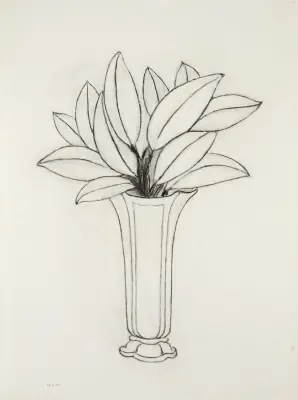
Eleonore Koch (Berlim 1926, São Paulo 2018)
Eleonore Koch was a painter and sculptor. She arrived in Brazil in 1936 and began her artistic training with Yolanda Mohalyi, Elisabeth Nobiling, and Samson Flexor, studying with Bruno Giorgi from 1947 onward. In 1949, she took a study trip to Paris, where she attended the sculpture studios of Arpad Szenes and Robert Coutin. Upon returning to São Paulo in 1952, she worked as a set designer for TV Tupi.
Through Geraldo de Barros, she became secretary to Mário Schenberg and César Lattes at the University of São Paulo (USP). Through her mother, the psychoanalyst Adelheid Koch, she met the collector Theon Spanudis, who introduced her to the painter Alfredo Volpi, with whom she continued her training. She was greatly influenced by Volpi and came to be considered his only disciple.
She participated in the Bienal Internacional de São Paulo between 1959 and 1967. From 1968 onwards, she settled in London, where she received the support of a prominent collector and began working as a sworn translator for the English courts. In 1979, she participated in the exhibition Theon Spanudis Collection, held at the Museu de Arte Contemporânea da Universidade de São Paulo (MAC/USP), in commemoration of the collector's donation to the museum. In 1986, she was part of the exhibition Volpi: Permanence and Matrix: Seven Artists from São Paulo, at the Montesanti Galleria in São Paulo. She returned to Brazil in the late 1980s.
Critical Commentary
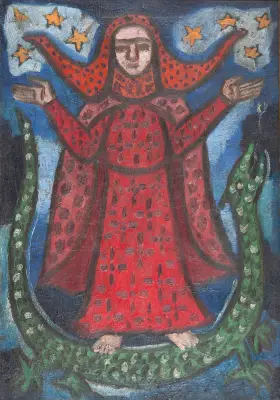
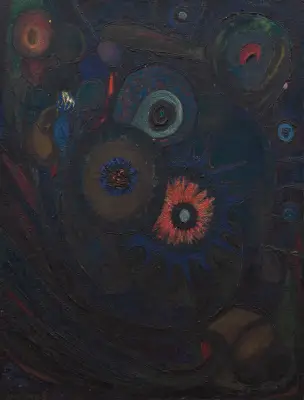
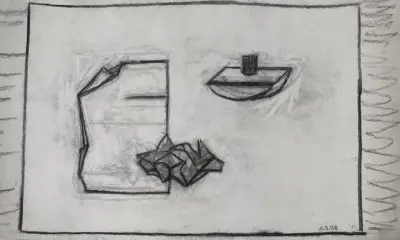
Known as the only disciple of the painter Alfredo Volpi (1896 - 1988), Eleonore Koch has a career that is still little studied by art critics in Brazil. She begins her training as a sculptor, but from the 1950s onwards focuses her production on painting.
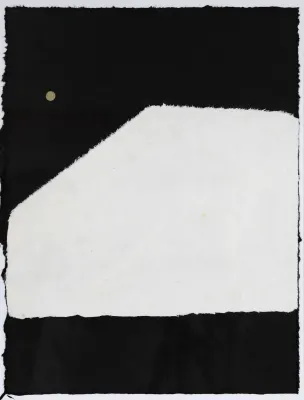
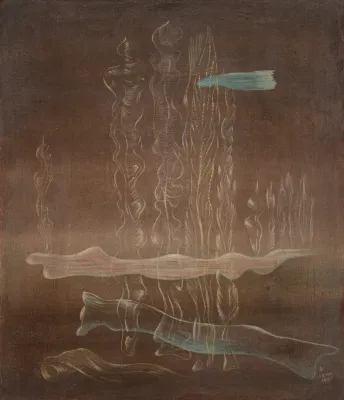
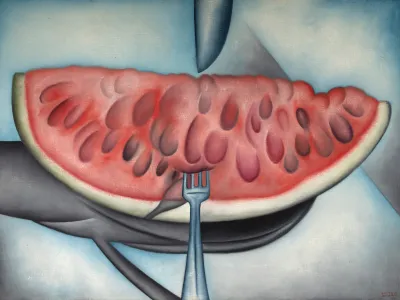
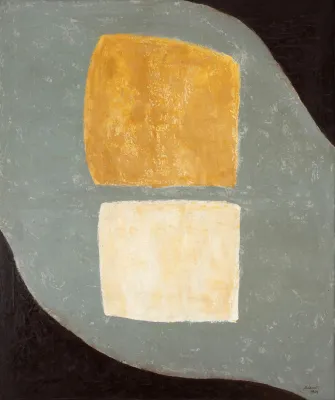
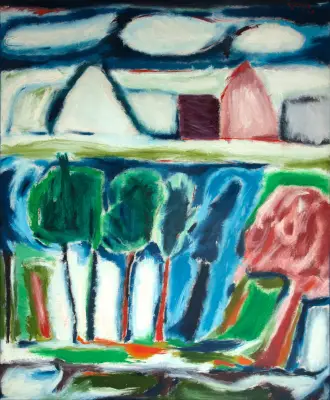
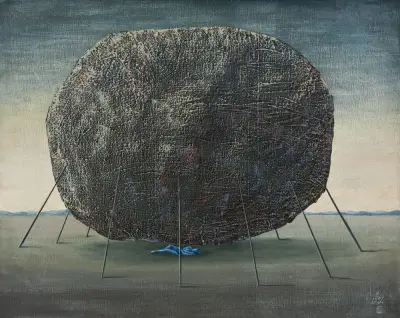
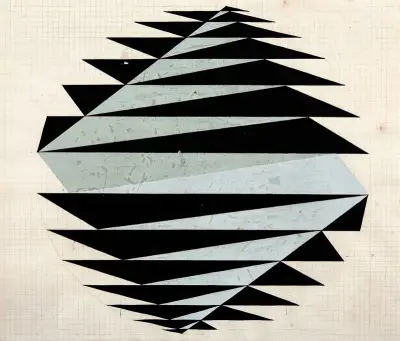
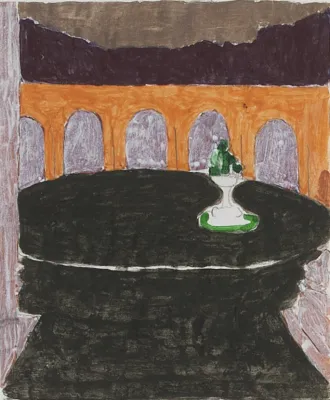
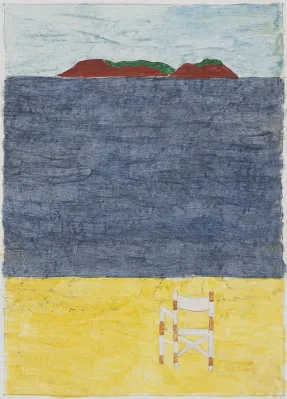
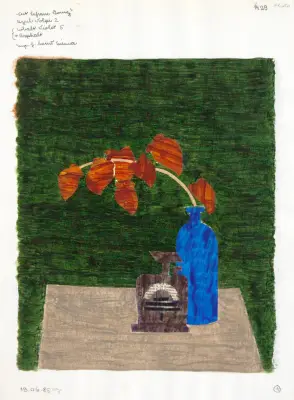
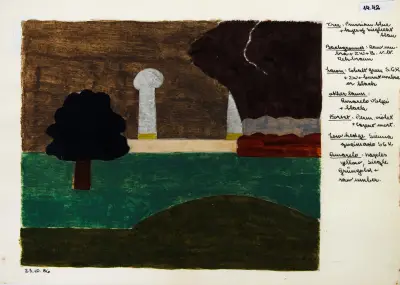
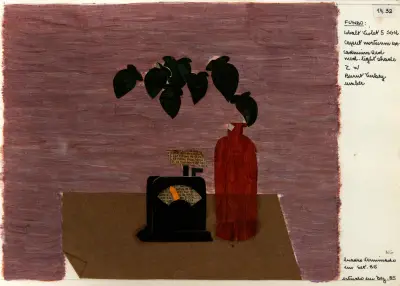
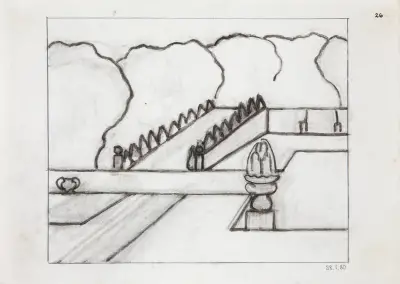
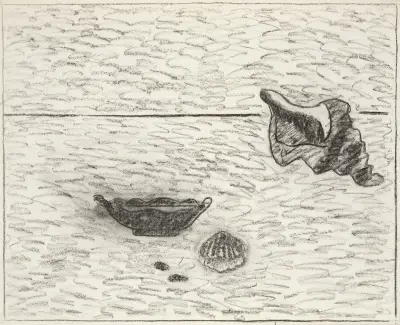
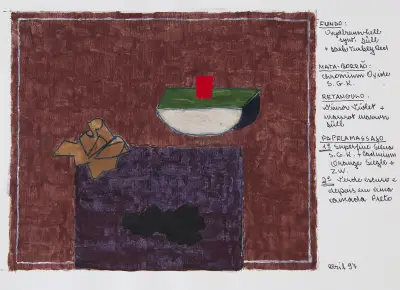
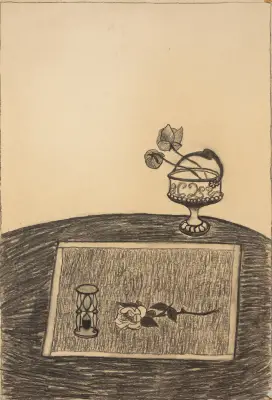
At first glance, her work bears similarities to Italian metaphysical painting. Art critic and collector Theon Spanudis identifies a certain sacralization in the representation of objects. However, the emphasis given to the planes of color evident on the surface of the canvas, pierced by objects drawn with a firm line, distances her work from that of figures like Giorgio De Chirico (1888-1978), for whom painting is, above all, a vehicle for values and philosophical and moral questions. It is true that Koch does not follow the trajectory from figuration to abstraction that characterizes the artists who influence her.
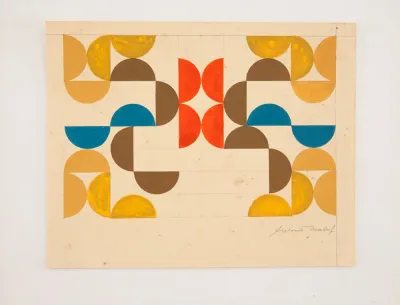
The artist never abandons the representation of the world based on objects and landscapes. But the absence of an allegorical or narrative character and the meticulous arrangement of areas of color in tension with perspective representation (as, for example, in Traves [Goalposts], 1957) point in another direction: just as in Volpi's painting, in which flags, doors, and windows are not mere allegories or symbols of Brazilian culture, but rather plastic objects with which the artist seeks to explore formal and color arrangements, the things represented by Koch evoke the memory of everyday objects, without obscuring the sensorial character of painting. She does not seek to reduce it to a mere vehicle for emotions or feelings. The lesson of Volpi, who saw the act of "resolving the picture" as the painter's basic task,1 is certainly learned by the artist.
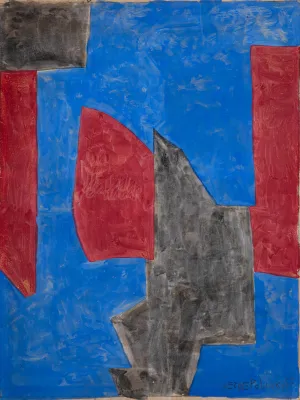
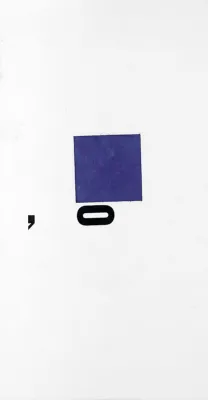
Her work contributes to the investigation of questions pertinent to painting, especially regarding the dichotomy between color and line. The relationship her painting establishes with the objects represented deviates from a contemplative attitude. It is clear that the constant clash between the colored surfaces, worked with the aid of tempera, and the clearly represented objects, creates the permanent tension in her paintings. The resulting immobility arises less from a passive posture before a scene than from the representation of a play of forces that results in a tense balance, in which neither color nor drawing predominates.
Note
1 MAMMÌ, Lorenzo. Volpi. São Paulo: Cosac e Naify, 1999. 2nd reprint 2006. p. 17.
Critiques
"She sacralizes objects of daily use. Against our profane mania for treating everything as an object of immediate consumption, she restores to the simple object its sacred dimension. The broad sensitive spaces (which are not the empty, dead spaces of mathematicians and scientists) are an integral part of her intention to resacralize the object lost in the constant flow of mechanical consumption. A secret poetry emanates from her colors, objects, strange configurations and broad, human spaces. One of the most original and valuable figures in current Brazilian painting".
Theon Spanudis
ARTE transcendente: exposição de pintura. Apresentação de Luiz Seraphico. Texto de Theon Spanudis. São Paulo: MAM, 1981.
Solo Exhibitions
1952 - São Paulo SP - Solo, at Galeria Ambiente
1956 - São Paulo SP - Solo, at MAM/SP
1960 - São Paulo SP - Solo, at Galeria São Luís
1960 - Rio de Janeiro RJ - Solo, at Petite Galerie
1964 - São Paulo SP - Solo, at Galeria Seta
Group Exhibitions
1948 - Rio de Janeiro RJ - National Salon of Fine Arts - Honorable Mention
1952 - São Paulo SP - 2nd São Paulo Salon of Modern Art, at Galeria Prestes Maia - small silver medal
1954 - São Paulo SP - 3rd São Paulo Salon of Modern Art, at Galeria Prestes Maia - acquisition prize
1955 - São Paulo SP - 4th São Paulo Salon of Modern Art, at Galeria Prestes Maia
1956 - São Paulo SP - 5th São Paulo Salon of Modern Art, at Galeria Prestes Maia - acquisition prize
1957 - São Paulo SP - 6th São Paulo Salon of Modern Art, at Galeria Prestes Maia
1958 - São Paulo SP - 7th São Paulo Salon of Modern Art, at Galeria Prestes Maia
1959 - São Paulo SP - 5th Bienal Internacional de São Paulo, at Pavilhão Ciccilo Matarazzo Sobrinho
1961 - Rio de Janeiro RJ - 10th National Salon of Modern Art
1961 - São Paulo SP - 6th Bienal Internacional de São Paulo, at Pavilhão Ciccilo Matarazzo Sobrinho
1962 - São Paulo SP - Selection of Brazilian Artworks from the Ernesto Wolf Collection, at MAM/SP
1963 - São Paulo SP - 7th Bienal Internacional de São Paulo, at Fundação Bienal
1965 - Rio de Janeiro RJ - Exhibition of the Galeria Goeldi Collection
1965 - São Paulo SP - 8th Bienal Internacional de São Paulo, at Fundação Bienal
1966 - London (England) - Mercury Gallery Salon
1967 - São Paulo SP - 9th Bienal Internacional de São Paulo, at Fundação Bienal
1968 - London (England) - Redmark Gallery Exhibition
1978 - São Paulo SP - Constructivists and Figuratives from the Theon Spanudis Collection, at Centro de Artes Porto Seguro
1979 - São Paulo SP - Theon Spanudis Collection, at MAC/USP
1981 - São Paulo SP - Transcendent Art, at MAM/SP
1982 - Bilbao (Spain) - Arteder 82: Muestra Internacional de Arte Gráfica
1986 - Rio de Janeiro RJ - Permanence and Matrix: 7 Artists from São Paulo, at Galeria Montesanti
1986 - São Paulo SP - Volpi Permanence and Matrix: 7 Artists from São Paulo, at Galeria Montesanti Roesler
1999 - São Paulo SP - 6th Arts and Antiques Salon, at A Hebraica
2003 - São Paulo SP - Still Life, at Espaço Cultural BM&F
Source: Itaú Cultural