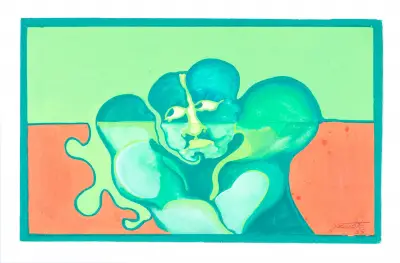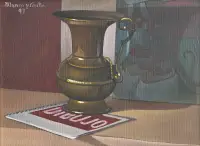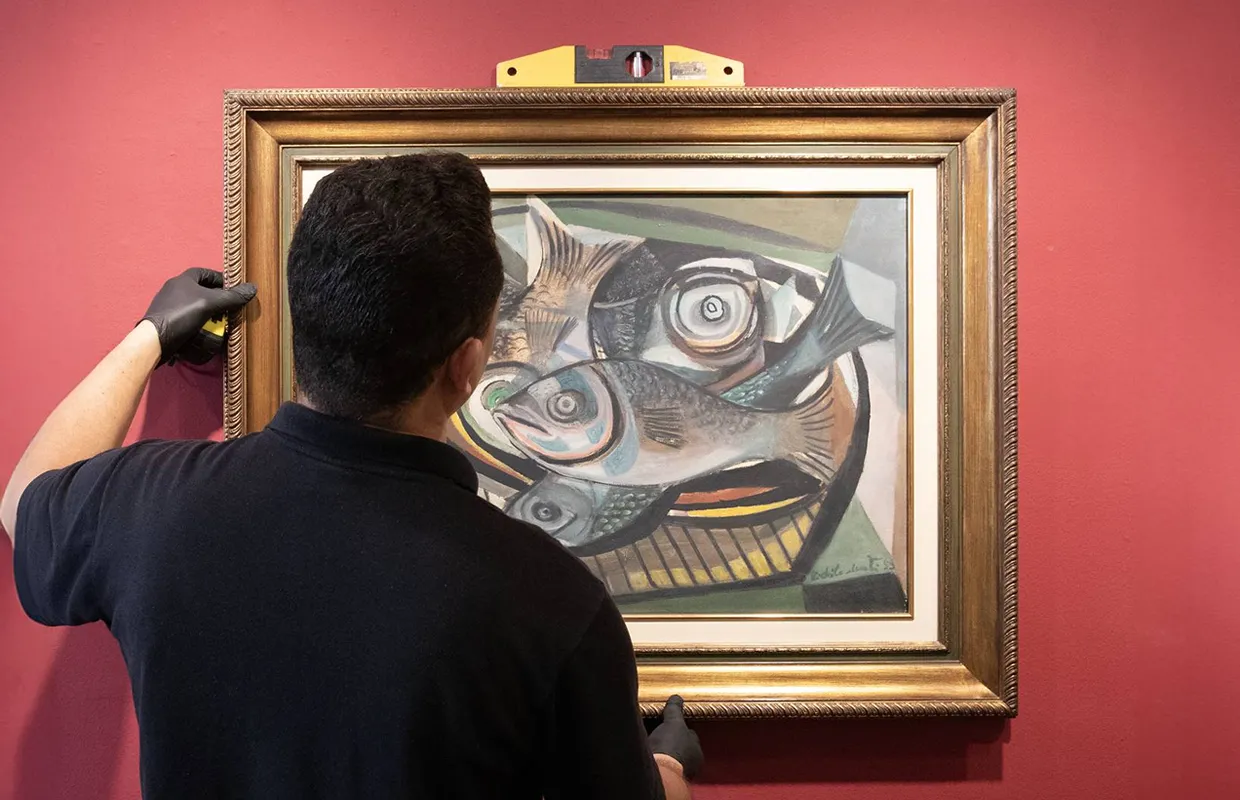
Acquiring a work of art is more than decorating an environment; It is to invest in culture, history and artistic expression. Whether it's a painting, a sculpture or any other piece, with proper care, your works of art can last generations and maintain not only their monetary value, but mainly their cultural and aesthetic importance.
To help in this care, we create an essential guide to care that you need to have with your work of art, See below the main precautions for different types of works, following these tips you will keep your pieces impeccable for a long time.
General care for all types of works of art
Before we talk about care and tips with more specific works, we separate some rules that are universal for any type of work and that can help a lot in preserving your work of art, see:
- Avoid direct exposure to the sun: Sunlight can fade colors and weaken materials.
- Moisture control: The ideal is to keep the environment between 40% and 60% humidity. Too dry can crack the work, too wet it can cause mold.
- Protect against dust: Constant but delicate cleaning prevents dirt from accumulating and superficial damage.
- Avoid sudden temperature variations: rapid changes can cause materials to expand and contract, generating cracks and deformations.
- Handle carefully: Always wash your hands or wear gloves to avoid oil and dirt on the pieces.
- Avoid the sea breeze: The salt present in the air in coastal regions can corrode metals, wear out paintings and weaken sculptures. Keep the works away from open windows or places exposed to the sea air.
Avoid direct contact with air conditioning and heaters: The constant flow of air can dry materials, especially wood and paper, in addition to causing cracks in paints and varnishes.
Protect against insects and pests: termites, moths and other insects can damage wooden frames, sculptures and paper works. Keeping the environment clean and pest helps in preservation.
Avoid directly touching the surfaces of the work: The oil and moisture in the hands can accelerate the wear of paints, varnishes and metal sculptures. Always handle with cotton gloves.
Beware of smoke and pollution: If you live in an area with a lot of pollution or cigarette smoke, avoid exposing the work directly, as suspended particles can deposit and deteriorate the part over time.
Use appropriate brackets and fixings: Avoid hanging works with fragile nails or leaving sculptures without a safe support. This reduces the risk of falls and accidental damage.
Conservation of frames
Frames are some of the most appreciated and, at the same time, more vulnerable to environmental factors. As they have different techniques and materials, it is essential to know the specific care for each type. From oil and acrylic paintings to watercolors and paper engravings, each work demands special attention to ensure its longevity. See some detailed to keep your frames protected against moisture, dust, light and other agents that can compromise your integrity.
1. oil and acrylic paintings
- Avoid hanging on very damp walls or with infiltrations.
- Never clean with chemicals. To remove dust, use a soft brush.
- If the paint has varnish, it may be necessary to reverberate after a few years to renew the protection.
- If you notice cracks or peeling, look for a restorer before trying any home repair.
2. Watercolors, engravings and drawings on paper
- The paper is extremely sensitive to light and moisture. Always frame with anti-glass glass and UV protection.
- Never touch the paper directly to avoid grease stains.
- If you notice mold or yellowing, you may need to change the pass-partout and reinforce moisture protection.
3. Frames
- Wood can warp and metal can rust, so keep away from excessive moisture.
- For cleaning, a dry cloth or slightly dampened with water is sufficient.
- If the frame is golden or worked, avoid rubbing so as not to wear out the finish.
Sculpture conservation
Sculptures, regardless of material, are three-dimensional artistic expressions that demand Special attention to maintain your beauty and integrity. Whether in wood, stone, metal, glass or ceramic, each material reacts differently to environmental factors such as moisture, light and dust. Correct handling and cleaning make all the difference to avoid wear and tear and permanent damage. Next, you will find detailed guidelines on the specific care for each type of sculpture, ensuring its preservation for many years.
1. Wood Sculptures
- Likes like paintings, wood and humidity do not match. Avoid contact with water.
- To clean, use a dry, soft cloth. If there is accumulated dirt, a slightly damp brush can help.
- Applying wood-specific wax every few months can help with conservation.
2. Stone sculptures (marble, granite, etc.)
- Avoid aggressive chemicals. Marble, for example, stains easily with acids such as vinegar or lemon.
- For dust, a dry cloth. For light stains, a damp cloth with distilled water.
- Never drag the part, as it can scratch or crack.
3. Metal sculptures (bronze, iron, aluminum)
- Bronze can oxidize and develop a patina. If you want to keep the shine, you can apply specific wax.
- Iron can rust if exposed to moisture. A light protective oil can help.
- For cleaning, dry or slightly damp cloth, never abrasive products.
4. Glass or ceramic sculptures
- They are extremely fragile, so avoid places with a lot of movement.
- To clean, soft cloth or brush to remove dust.
- If there are cracks, avoid forcing or trying to repair yourself. Often, a professional restorer manages to save the piece without compromising aesthetics.
How to know if the work needs restoration?
Take care of works of art is a balance between prevention and minimal intervention. If you notice cracks, wear, fading, mold or structural damage, don't try to solve it yourself. A specialized restorer can recover his work without compromising its value and authenticity. Restorers use appropriate techniques and materials for each type of work of art, avoiding damage that can be irreversible.
Now that you already know everything about conservation, how about checking out your works and ensuring that they are receiving the treatment they deserve?