Far beyond the beaches and postcards, Rio de Janeiro surprises with a variety of cultural spaces that preserve history and showcase Brazilian art. Therefore, including a few museums in your itinerary is an excellent way to see the city from a different perspective and enjoy experiences that go beyond traditional tourism.
Throughout your visit, you will find everything from contemporary art exhibitions to collections that recount key moments in Brazil's history. What's more, many of these places are housed in historic buildings, making the visit even more interesting. Whether to learn, get inspired, or simply explore new places, Rio de Janeiro's top museums offer attractions for every type of traveler. In this guide, you will discover eight options that deserve a spot on your list and can make your trip much more complete.
Naval Museum
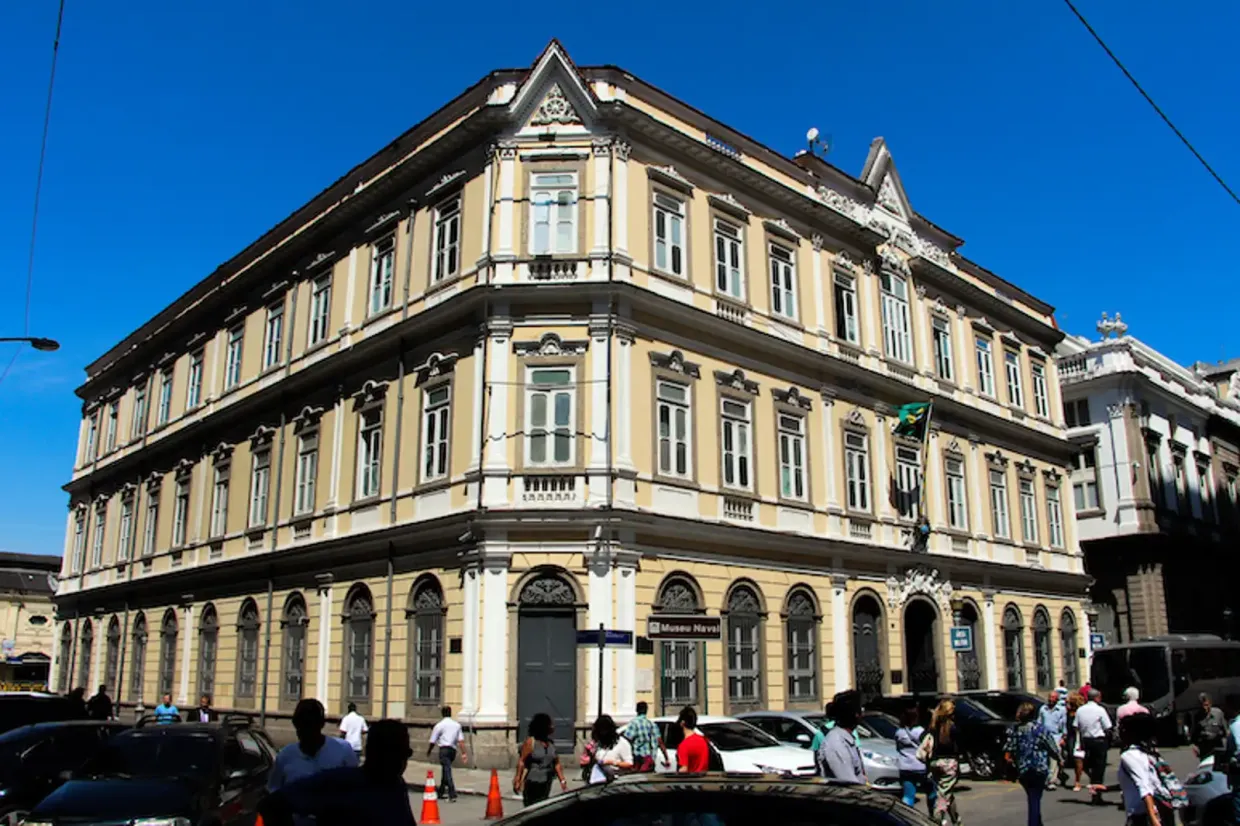
The Naval Museum is one of the best places to discover how the Brazilian Navy contributed to the nation's formation. Its collection brings together ship models, navigation instruments, historical documents, and various objects depicting the evolution of maritime activities from the colonial period to the present day.
In addition to exploring richly detailed exhibitions, visitors can also enjoy views of Guanabara Bay, which makes the visit even more pleasant. To explore the main galleries comfortably, allow about two hours for your visit.
Among the most interesting pieces is a scale model of the fleet that brought the Portuguese Royal Family to Brazil in 1808. Thanks to its high level of detail, this piece is considered one of the Naval Museum's main highlights and usually catches the eye of anyone eager to learn more about Brazil's maritime past.
Pontal Museum
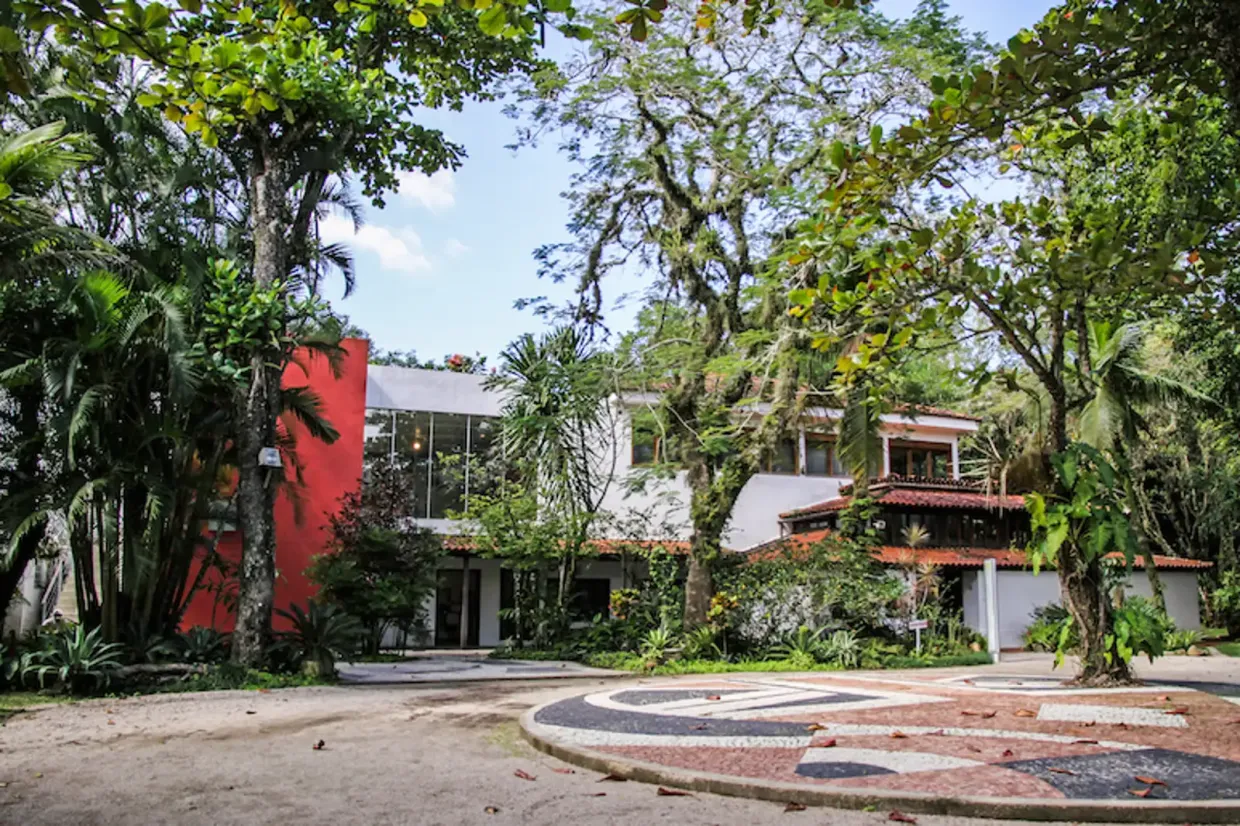
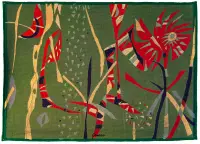
The Pontal Museum is one of the premier spaces dedicated to Brazilian folk art, offering a true journey through the country's cultural diversity. The collection gathers thousands of works created by artists from different regions, including wood carvings, ceramics, clay figures, and other art pieces depicting customs, festivals, and traditions preserved over centuries.
During the visit, you can explore artistic expressions from states like Pernambuco, Minas Gerais, and many other regions of Brazil. To tour the exhibitions at a relaxed pace and appreciate the details of each collection, allow approximately two hours.
Highlights of the Pontal Museum include works representing everyday life and Brazilian folklore, showcasing the creativity of popular artists. Because of this, the space is an excellent choice for those who wish to better understand Brazil's cultural richness through art.
Samba Museum
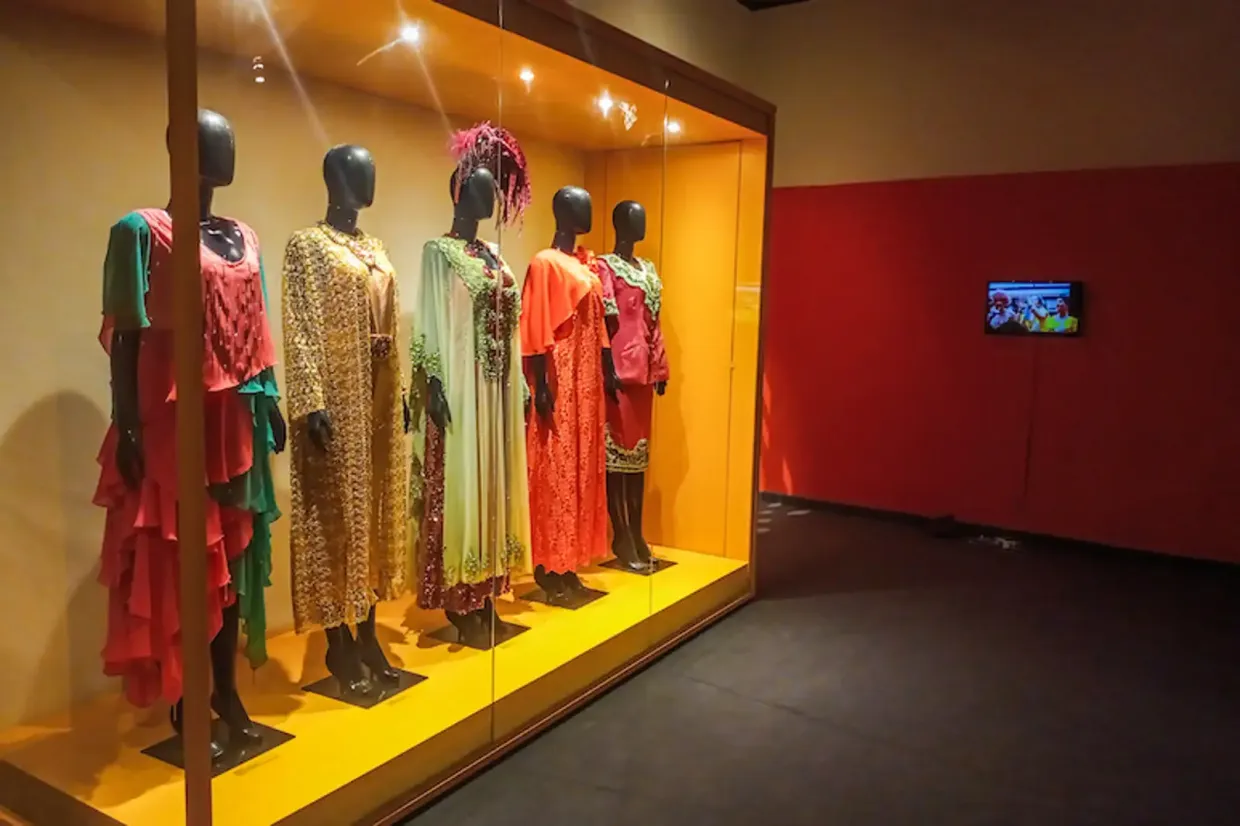
The Samba Museum is a must-stop destination for anyone who wants to learn up close about the history of one of the greatest symbols of Brazilian culture. The venue brings together musical instruments, Carnival costumes, photographs, documents, and historical recordings that showcase the evolution of samba and its influence on Rio de Janeiro's identity.
Besides exploring a collection filled with memories, visitors can interact with percussion instruments and discover fun facts about famous icons of the genre. Since the experience is quite dynamic, it is worth reserving about two hours to enjoy every room at your own pace.
Before planning your visit, check the Samba Museum's schedule to see if there will be live performances. Whenever possible, watching a live samba circle makes the experience even more authentic and unforgettable for the whole family.
Museum of the Republic

The Museum of the Republic is an excellent option for those wanting to explore key moments in Brazilian history in an environment rich in memory and architecture. Housed in the traditional Catete Palace, the space preserves historical halls, objects, and documents that help recount the political and social events that shaped the country.
During your visit, you can walk through the former rooms used by the Presidents of the Republic, observe details of the original decor, and see spaces where major decisions were made. Furthermore, the building itself makes the visit a special experience for anyone who appreciates history and cultural heritage.
To explore the museum at a relaxed pace, set aside about two hours. However, history enthusiasts may need more time to take in all the details of the collection.
One of the most striking features is the bedroom where President Getúlio Vargas spent his final moments, preserved as it was in 1954. The location offers a unique perspective to better understand one of the most significant periods in Brazilian history.
Museum of Tomorrow
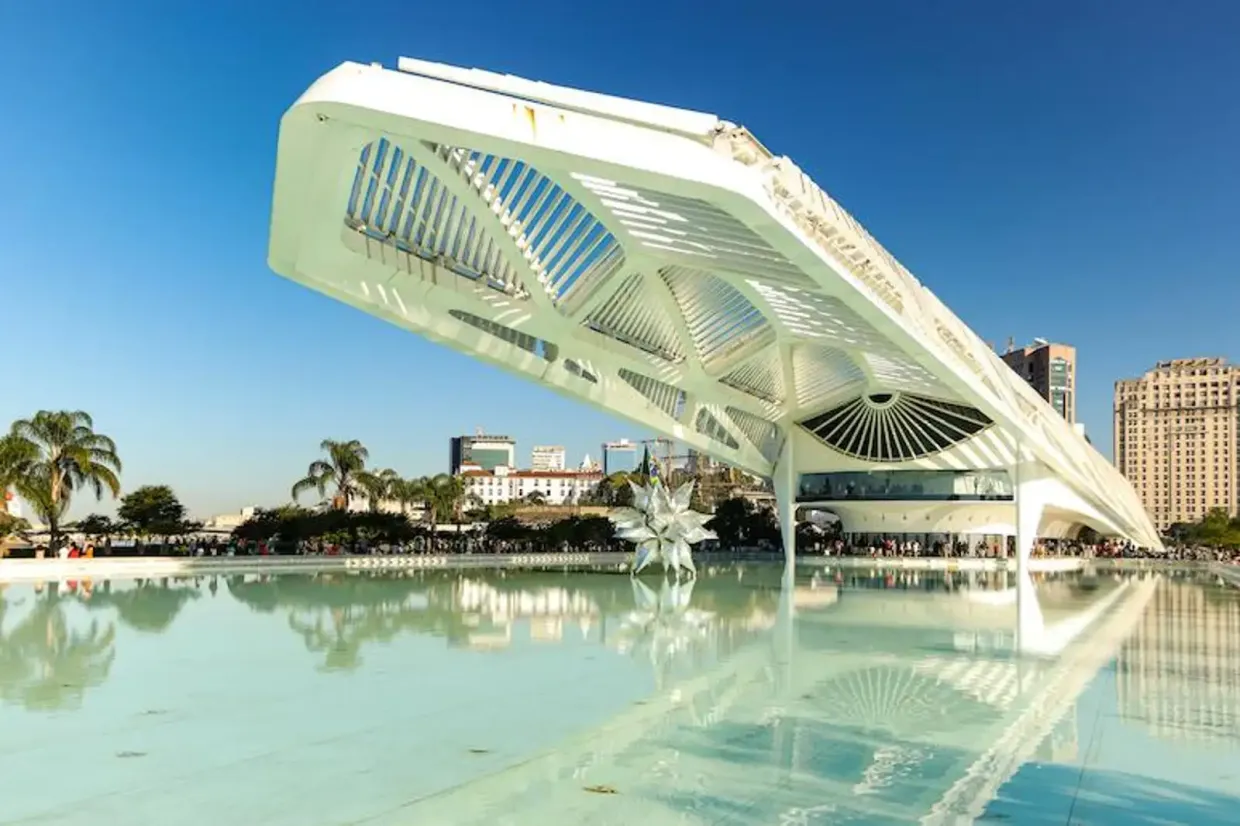
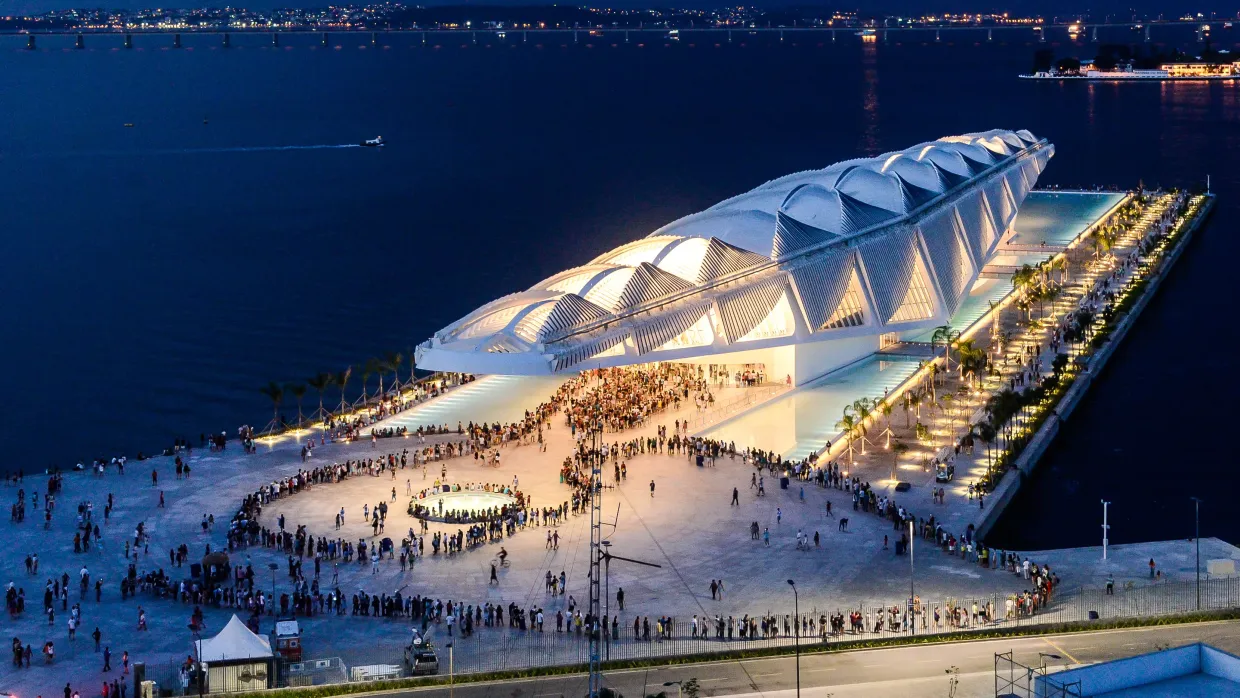
The Museum of Tomorrow is one of Rio de Janeiro's most modern cultural attractions and a great choice for those who enjoy science, technology, and innovation. Featuring impressive architecture designed by Santiago Calatrava, the space invites visitors to reflect on the path of humanity and the relationship between society, nature, and the future.
Throughout your visit, you will encounter interactive exhibitions and immersive experiences exploring topics such as climate change, the evolution of life, technological advances, and the challenges the planet will face in the coming years. In this way, the museum offers an educational and fun experience for visitors of all ages.
To enjoy all areas comfortably, it is best to set aside three to four hours for your visit. Since the Museum of Tomorrow often receives many visitors, a good tip is to buy tickets online in advance to avoid queues at the entrance.
Chácara do Céu Museum
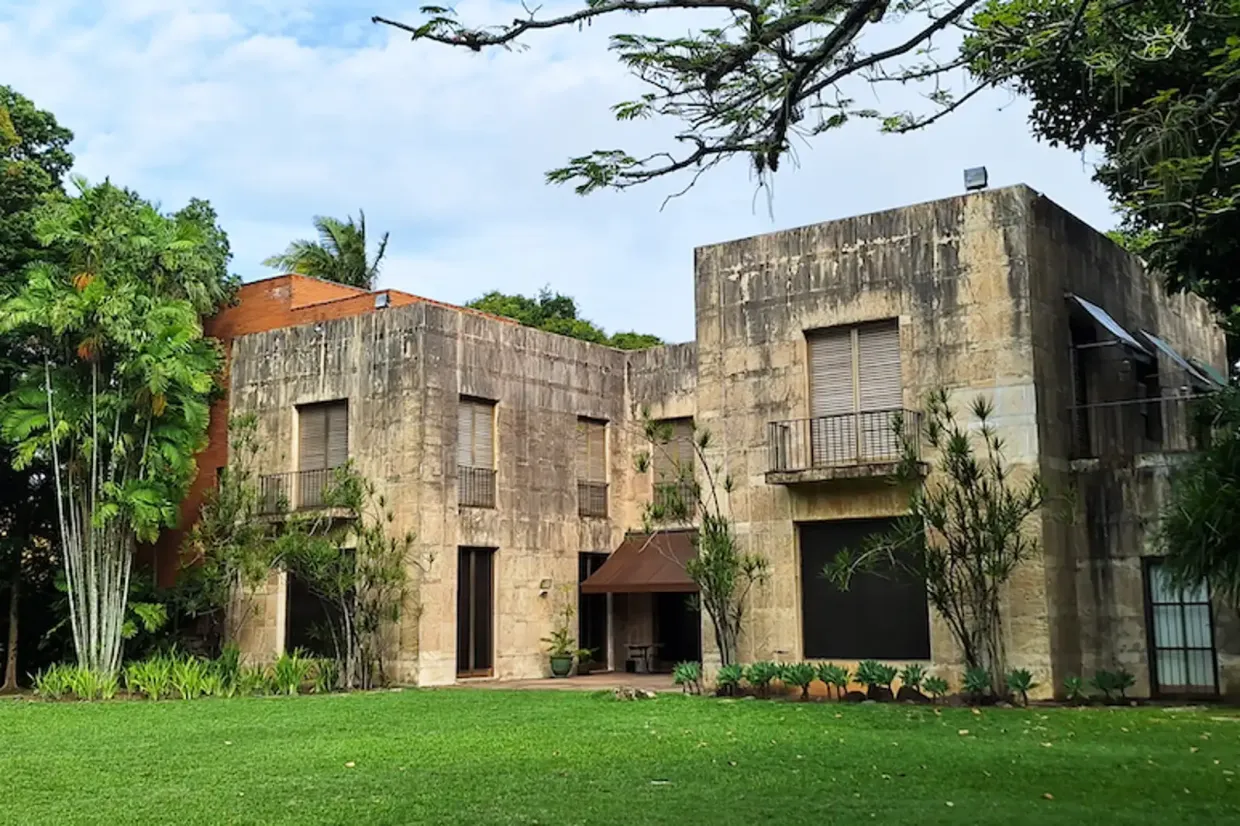
The Chácara do Céu Museum is a cultural haven located on the hills of Santa Teresa, one of Rio de Janeiro's most charming neighborhoods. Set in a former residence, the space houses a private collection that combines European and Brazilian art alongside pieces reflecting the eye of its former owner, businessman and collector Raymundo Ottoni de Castro Maya.
During your visit, the mansion's preserved rooms allow you to see works by renowned artists, including names like Matisse and Picasso, while enjoying a calmer, more intimate atmosphere. That makes the museum a wonderful choice for those seeking a cultural experience different from the city's more traditional venues.
One hour is usually enough to explore the collection and main areas of the Chácara do Céu Museum. Be sure to also enjoy the estate's gardens, which offer a pleasant view and the perfect backdrop for relaxing or even drawing with materials provided to visitors.
Museum of Modern Art
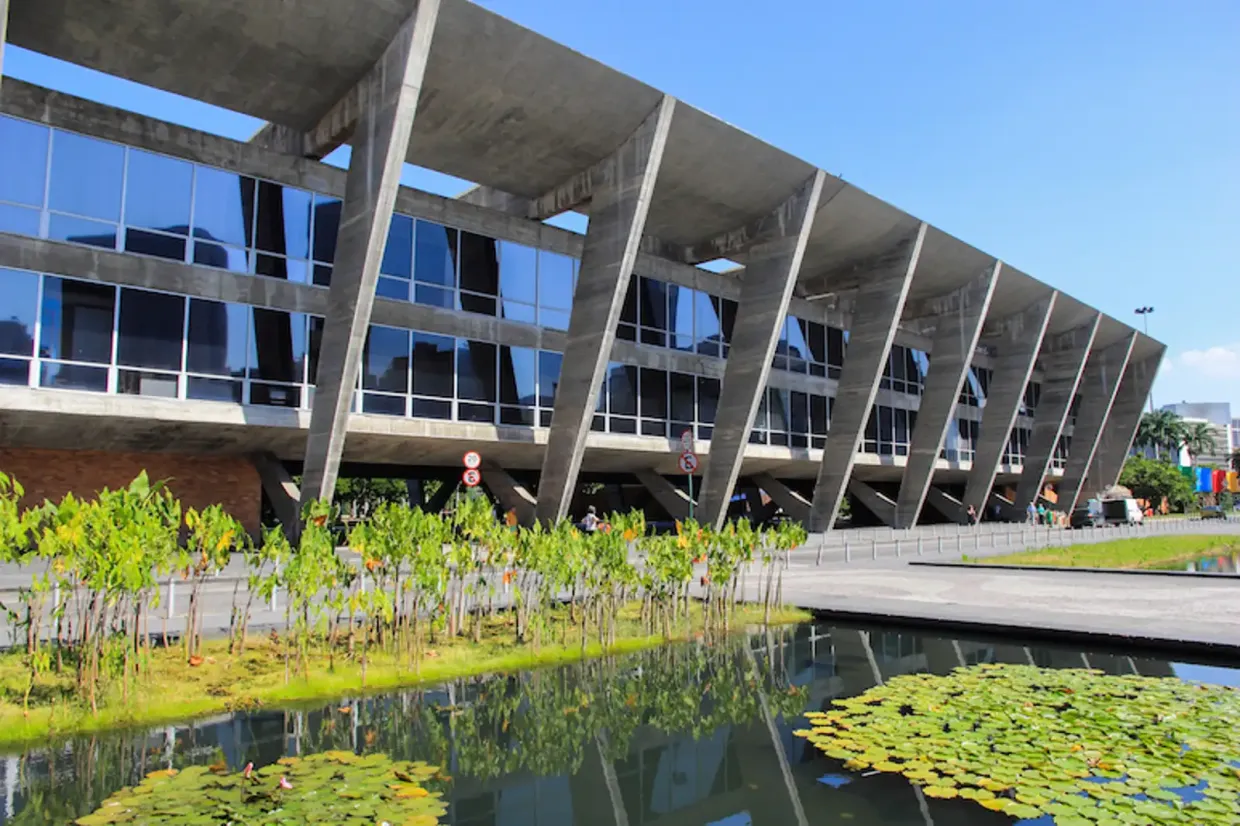
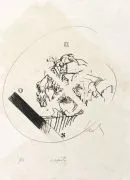
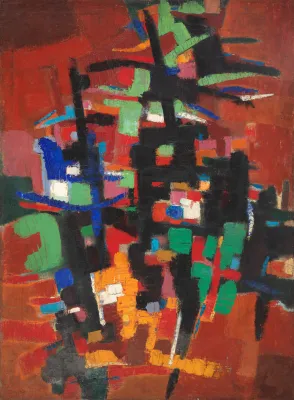
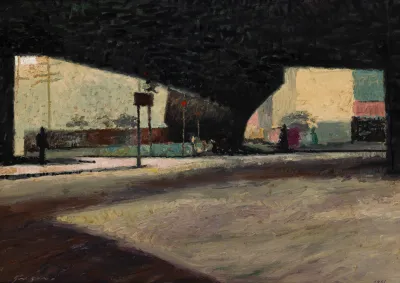
The Rio de Janeiro Museum of Modern Art is an excellent choice for anyone wishing to explore Brazilian contemporary art in a setting that blends culture, architecture, and scenery. Located in Flamengo Park, the museum stands out for its modernist building and its collection of works that form one of the country's most important modern art holdings.
During the tour, visitors can see works by master Brazilian artists such as Candido Portinari and Di Cavalcanti, as well as enjoy exhibitions presenting various artistic styles and movements. Additionally, the gardens designed by Roberto Burle Marx complete the experience with a pleasant space to walk and relax.
To get the most out of your visit, reserve about three hours to explore the galleries and outdoor spaces at leisure. A good tip is to check the museum's schedule and, if possible, visit on a Wednesday afternoon, when free guided tours are typically offered.
Rio Art Museum
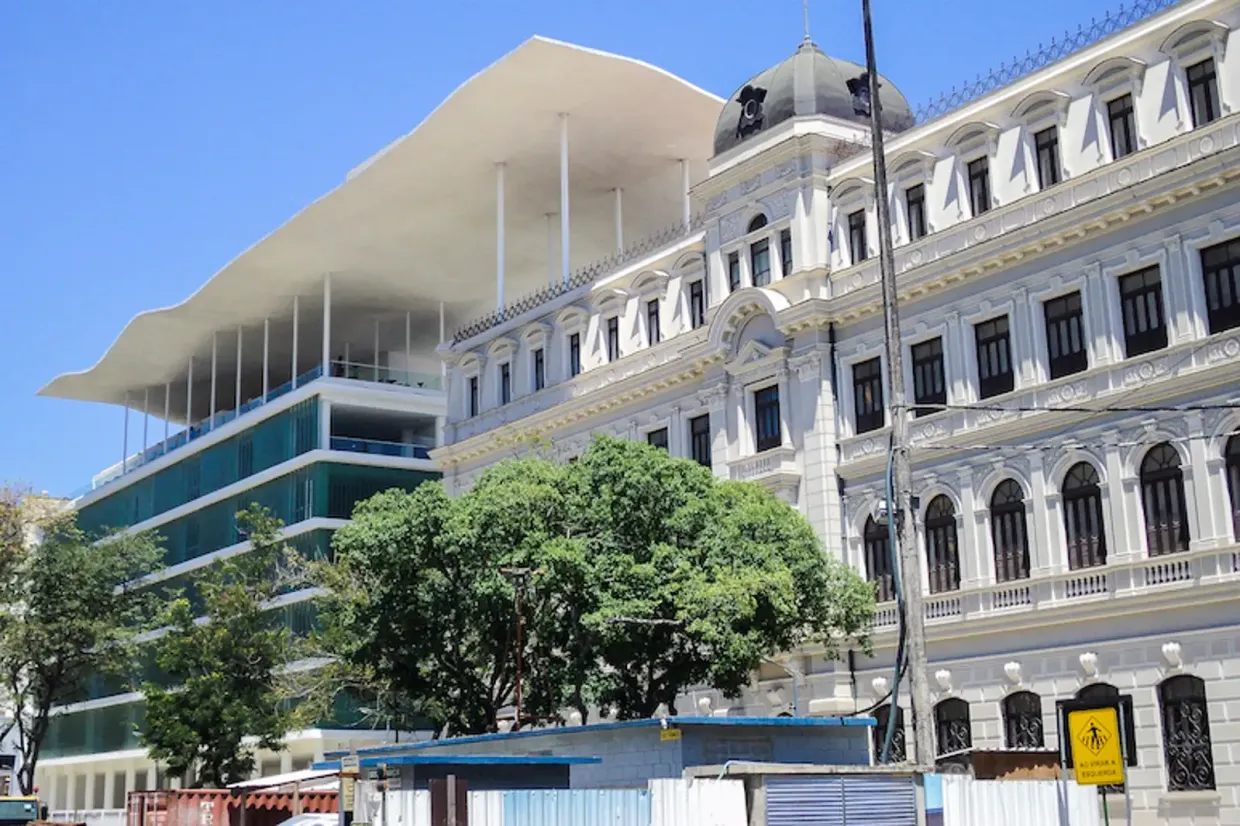
The Rio Art Museum is one of the city's top cultural attractions and a mandatory stop for anyone wishing to get to know the local art scene. Located in Praça Mauá, the space stands out for combining historic architecture with modern design, connecting a restored old palace with a contemporary building.
When visiting the museum, you will find exhibitions exploring different aspects of Rio de Janeiro's art, culture, and history. The collection gathers thousands of works and objects that help tell the story of the city, alongside temporary exhibitions that continuously bring fresh perspectives and experiences to visitors.
To explore the galleries comfortably, set aside two to three hours for the visit. Before you begin taking in the artwork, enjoy the panoramic view of Guanabara Bay from the top floor, accessible via the glass elevator. This detail makes a visit to the Rio Art Museum even more special.