Titi Freak (1974)
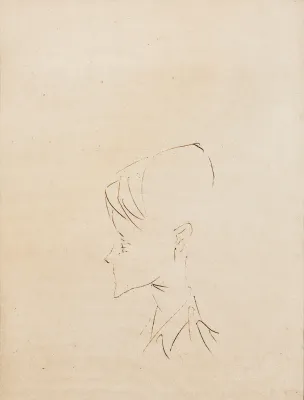
Hamilton Yokota (better known as Titi Freak) was born in 1974. disciplined of the Japanese. Self-taught, he worked from 13 to 20 at the studio Maurício de Souza. Specialties: painting, drawing, installation and urban art. References: yo-yo, manga, anime, illustration, fashion, Japanese pop culture, tattooing, urban culture, graffiti and bars.
I drew a lot since I was little, his mother, realizing his son's talent, sent him to An important commercial comic book studio, 'Maurício de Souza', Brazilian producer of numerous best sellers of the genre. Since then, the sense of style, the skill as an illustrator and the professionalism acquired, has always kept him in activity, working as a graphic designer and illustrator. He collaborated intensely with several advertising agencies and many brands such as Adidas, Eckó and Nike.
Titi Freak got to know graffiti in 1995 and realized that the city was the ideal environment to get rid of the moorings and vices that The briefing years had foisted on his work. In the streets of São Paulo, Titi Freak can integrate the technical excellence of her design with the spirit of improvisation that the city imposes. The exchange was fair: Titi released the line while the São Paulo graffiti became more sophisticated. Titi Freak is an artist who lets himself be influenced by the imaginary of fashion, comics and manga, from Low Brow Art and Japanese culture in general, but also pays attention to Matisse, Picasso and Portinari, some of his idols in painting.
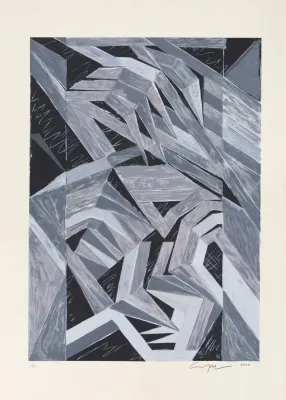
Essa A mixture of references, very contemporary and pop, gives his work a lot of charisma and empathy with the public of various ages and origins. Impresses the skill with which the artist explores the various supports as disparate as the gigantic public murals and small miniature drawings. In fact, the artist makes good use of the differences in language, scale and treatment he gives to his works, with the intention of involving the audience and provoking strong emotions.
Text: Rick Kubota