Waldemar da Costa (Belém PA 1904 - Curitiba PR 1982)
Waldemar da Costa was a painter and teacher. He completed his training in Portugal, where he moved with his family in 1910. Between 1920 and 1924, he attended Liceu Camões. In 1923, he studied drawing with Martinho da Fonseca and watercolor with João Alves, joining the following year at the National Academy of Fine Arts in Lisbon, where he took drawing classes with Ernesto Condeixa and painting with Carlos Reis, between 1924 and 1928. He started a course at the Escola Superior de Belas Artes, but did not complete it.
In 1928, he moved to Paris, where he attended several workshops and free academies, living with artists such as Eduardo Viana, Giorgio de Chirico (1888–1978), Saviano de Chirico, Pascin, Foujita, Gastão Worms (1905–1967) and Candido Portinari (1903–1962). He returned to Brazil in 1931, establishing himself in Rio de Janeiro until 1933. In the following three years, he moved away from the artistic world and began to live on a farm in Correias, in Rio de Janeiro. In 1936, he moved to São Paulo, where he set up his studio in a room at the Municipal Theater, provided by the Department of Culture. one of the first students. In 1937, he founded the São Paulo Artistic Family (FAP) alongside Rossi Osir (1890–1959) and Vittorio Gobbis (1894–1968), starting to direct the group two years later. In 1938, he became a professor at the Lyceum of Arts and Crafts of São Paulo (LAOSP), where he taught for Hermelindo Fiaminghi (1920–2004) and Lothar Charoux (1912–1987).
In the 1950s, he moved away from the artistic world again and moved to a place in Pedra Bonita, in the interior of São Paulo. In 1954, he was hired by the Museum of Modern Art of São Paulo (MAM/SP) to teach painting classes. Two years later, he returned to Portugal, where he taught at several institutions, including the Circle of Fine Arts of the Academic Association of Coimbra, between 1960 and 1966. In 1960, he was hired by the cultural sector of the Embassy of Brazil. In 1962, he went to Italy as a fellow at the Calouste Gulbenkian Foundation. He returned to Brazil in 1963, residing in São Paulo, then in Macaé, Rio de Janeiro, between 1976 and 1980, and in Curitiba, from 1980 to 1982.
Commentary Critic
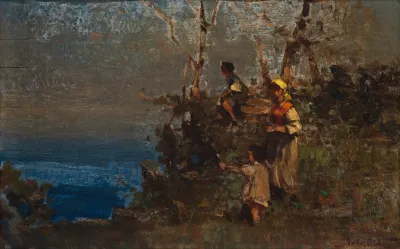
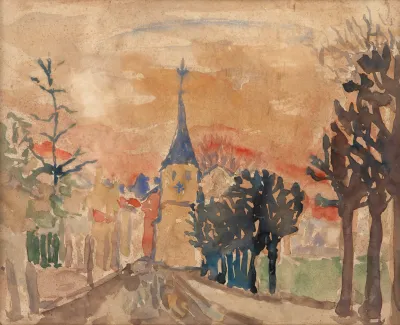
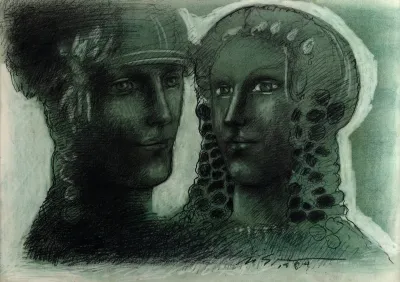
The name of Waldemar da Costa is linked to the artistic groups active in the 1930s and 1940s in the city of São Paulo. Its close relationship with the São Paulo Artistic Family - FAP and the halls of the Plastic Artists Union and the award in two halls of the modern society - spam are some evident traits of its prominence in the artistic scene of the period, due to its work and performance. Its profile may thus be close to that of other artists who, like him, benefit from the aesthetic achievements of modernism, but which also use the contributions of traditional art. But, to these legacies, Costa combines others and, in this sense, draws a singular path within the interior of Brazilian art. His training involves learning the craft in Portuguese institutions - with a more classic and conservative way - and through his experience in Paris, where he has contact with the most different expressions of the vanguards. Critics call attention to the way he appropriates disparate tendencies: the "mental" painting by Paul Cézanne (1839 - 1906), the compositions based on simple colors by Othon Friesz (1879 - 1949), the juxtaposed color areas used by Pierre Delaunay (1885 - 1941) and the lyrical abstraction of Wassily Kandinsky (1866 - 1944).
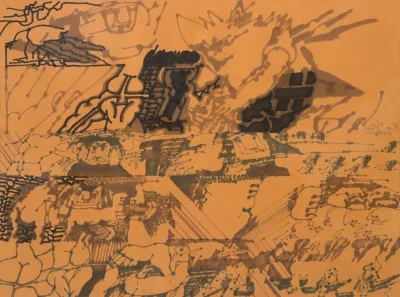
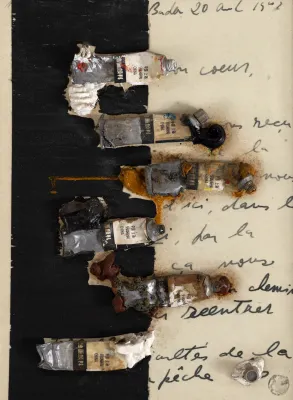
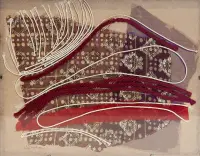
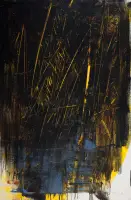
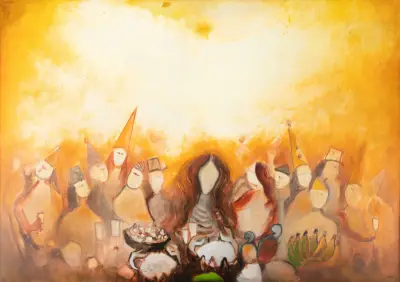
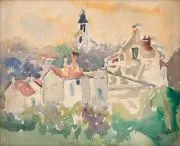
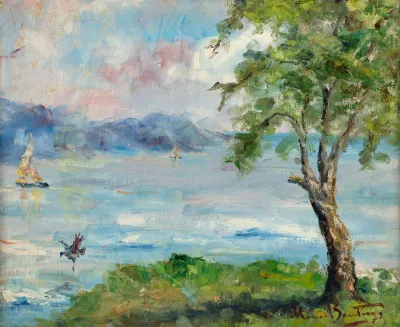
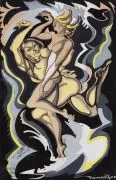
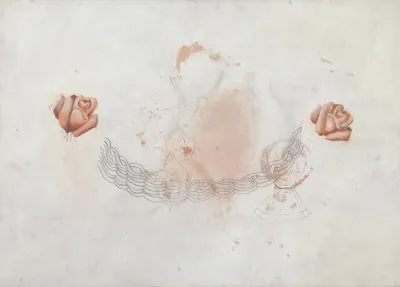
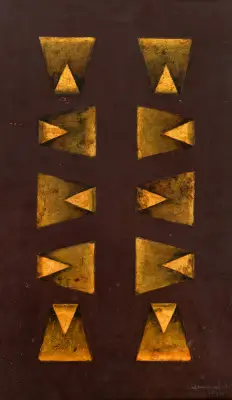
less than a Indecision Between different perspectives, Costa's work allows us to measure the yields of a hybrid formation, carried out in several centers. Figuration is its preferred option until the 1950s, when it rehearses portraits, still lifes and landscapes. Note the harmonious balance of shapes and colors, associated with the lyrical treatment of the themes. At the end of the 1950s, the commitment to geometric constructions was evident, gaining prominence in the later decade. In any case, the figuration is never abandoned, returning to an important place in the work of maturity.
Acerves
Pinacoteca do Estado de São Paulo/Brazil Collection - São Paulo SP
Mário de Andrade - São Paulo SP
Collection Museum of Contemporary Art of the University of São Paulo - MAC/USP - São Paulo SP
Collection Museum of Modern Art of São Paulo - MAM/SP - São Paulo SP
Gulbenkian Museum of the Calouste Gulbenkian Foundation - Lisbon (Portugal)
National Museum of Fine Arts - MNBA - Rio de Janeiro RJ
Criticism
"The painter managed to pass in those times of the thirties with gallantry conquered in Paris - the celebrated aura of Montmartre left him something refined, which throbs in the manner of Cézanne or Emile Othon-Friesz, as has been said about him. Expressionism, there are no extravagances, it had depth, and a lot of its own, verifiable in any of these figures. Waldemar da Costa seems to have suffered, multiplied, the detachment of those who were not fixed in the environment. (...) The war passed and events such as art museums, the biennial, and the exhibitions from figurativism to abstractionism came. In this emergency, Waldemar da Costa's concern with abstraction passes to the schemes of the figures. Ten years after this Second World War, Waldemar da Costa returns to Europe, settles in Portugal, already in the geometric construction of spaces, a critic tells us: Lind. This same is the one who highlights his work since 1956 in Lisbon, his influence on non-figurative young people, and, in addition to the exhibitions he made, his work at the Academic Association of Coimbra, where he was a teacher helping to break the resistance of the Portuguese bourgeoisie against the art. abstract'. In 1962, it is a consequence of this vital performance, most of the abstract painters in the second Gulbenkian exhibition. In 1962, Waldemar da Costa had embraced the geometric. He had filtered his design and shape through an abstract baroque moment, and now he was willing to do what his painting is today."
Geraldo Ferraz
Retrospective Waldemar da Costa: Exhibition Tribute to the Master. Ferraz. São Paulo: MAM, 1972.
Individual exhibitions
1930 - Lisbon (Portugal) - First individual, at the Bobone Gallery
1932 - Rio de Janeiro RJ - Individual, at Palace Hotel
1935 - Rio de Janeiro RJ - Individual, at Palace Hotel
1944 - São Paulo SP - Individual, at Clóvis Graciano's studio
1947 - São Paulo SP - Individual, Itapetininga Gallery
1956 - Lisbon (Portugal) - Individual, at the National Information Secretariat
1959 - Coimbra (Portugal) - Individual, at the Academic Association
1961 - Madrid (Portugal) - Individual, in Sala Abril
1961 - Lisbon (Portugal) - Retrospective 30 years of painting by Waldemar da Costa promoted by the Brazilian embassy
1961 - Porto (Portugal) - Retrospective 30 years of painting by Waldemar da Costa promoted by the Brazilian Embassy
1961 - Coimbra (Portugal) - Retrospective 30 years of painting by Waldemar da Costa promoted by the Brazilian embassy
1963 - São Paulo SP - Individual, at MASP
1964 - Lisbon (Portugal) - Individual, at the Art Gallery of the Bookstore Disclosure
1966 - Aveiro (Portugal) - Farewell to Portugal, at the gallery Borges
1966 - Coimbra (Portugal) - Farewell to Portugal, in the first of January room
1966 - Lisbon (Portugal) - farewell to Portugal, at the Diário de Notícias gallery
1967 - São Paulo SP - Retrospective, at Galeria Astreia
1969 - São Paulo SP - Retrospective, at Galeria Astreia
1969 - Santos SP - Waldemar da Costa: Paintings, at Galeria de Arte Centro Cultural Brasil-Estados-United States
1972 - São Paulo SP - Retrospective, at MAM/SP
1973 - Rio de Janeiro RJ - Individual, at the Cosme Velho Gallery
1973 - Brasília DF - Individual, at the Multiple Gallery
1978 - Belém PA - Individual 50 years of painting, at the fiftieth anniversary of the Theater of Peace
1981 - Curitiba PR - Individual, at MAC/PR
Collective exhibitions
1927 - Lisbon (Portugal) - first exhibition alongside José Tarrago
1930 - Lisbon (Portugal) - 1st Independent Hall
1930 - Paris (France) - 41st Exhibition of the Independent Artists Society
1931 - Lisbon (Portugal) - 2nd Salon of Independents
1931 - Paris (France) - 42nd Exhibition of the Society of Independent Artists
1931 - Rio de Janeiro RJ - Revolutionary Hall, at Enba
1935 - Rio de Janeiro RJ - Social Art Exhibition, at the Clube de Cultura Moderna
1936 - São Paulo SP - Joaquim Figueira and Waldemar da Costa, at Palácio das Arcadas
1937 - Belém PA - 1st Paulista Painting Hall
1937 - Fortaleza CE - 1st Paulista Painting Hall
1937 - Rio de Janeiro RJ - São Paulo Artistic Family Show
1937 - São Paulo SP - 1st Salão da Família Artistica Paulista, at Esplanada Hotel de São Paulo
1937 - São Paulo Paulo SP - 1st Salon of May, at the Esplanada Hotel de São Paulo
1939 - São Paulo SP - 2nd Salon of the São Paulo Artistic Family, at Automóvel Clube
1939 - São Paulo SP - 5th Hall of the Plastic Artists Union, at the Gallery Prestes Maia
1941 - Rio de Janeiro RJ - Division of Modern Art of the National Salon of Fine Arts - Bronze Medal
1941 - São Paulo SP - 1st Art Salon of the National Industry Fair, in the Água Branca Park
1942 - São Paulo SP - 7th Hall of the Plastic Artists Union, at the Prestes Maia Gallery
1944 - Belo Horizonte MG - Exhibition of Modern Art, at the Mariana Building
1944 - Rio de Janeiro RJ - 50th National Salon of Fine Arts. Modern Division, at the MNBA - Silver Medal
1944 - São Paulo SP - 8th Hall of the Plastic Artists Union, at the Prestes Maia Gallery
1944 - São Paulo SP - 9th Hall of the Plastic Artists Union, at Galeria Prestes Maia
1944 - São Paulo SP - Brazilian-North-American Modern Painting Exhibition, at the Prestes Maia Gallery
1946 - São Paulo SP - 10th Hall of the Plastic Artists Union, at the Prestes Maia Gallery
1947 - São Paulo SP - 11th Salon of the Plastic Artists Union, at the Prestes Maia Gallery
1948 - São Paulo SP - 12th Hall of the Plastic Artists Union, at the Domus Gallery
1951 - São Paulo SP - 1st São Paulo International Biennial, at the Trianon Pavilion
1951 - São Paulo SP - 1st São Paulo Salon of Modern Art
1952 - Rio de Janeiro RJ - Brazilian artists, at MAM/RJ
1952 - Rio de Janeiro RJ - Exhibition of Brazilian Artists, at MAM/RJ
1952 - São Paulo SP - 2nd São Paulo Salão de Arte Moderna
1953 - São Paulo SP - 2nd São Paulo International Biennial
1954 - São Paulo Paulo SP - 3rd Salão Paulista de Arte Moderna, at the Prestes Maia Gallery - Small Silver Medal
1955 - São Paulo SP - 3rd São Paulo International Biennial, at the Pavilion of Nations
1955 - São Paulo SP - 4th Salon Paulista de Arte Moderna, at the Prestes Maia Gallery - Small Gold Medal
1957 - Lisbon (Portugal) - 1st Exhibition of Plastic Arts of the Calouste Gulbenkian Foundation, at the Calouste Gulbenkian Foundation
1957 - São Paulo SP - 5th São Paulo International Biennial, at the Ciccilo Matarazzo Sobrinho Pavilion
1958 - Évora (Portugal) - represents Brazil in the Évora International Art Mission
1958 - Lisbon (Portugal) - 1st Salon of Modern Art of the National Society of Fine Arts
1959 - Lisbon (Portugal) - 2nd Salon of Modern Art of the National Society of Fine Arts
1960 - Lisbon (Portugal) - 3rd Modern Art Salon of the National Society of Fine Arts
1961 - Lisbon (Portugal) - 4th Salon of Modern Art of the National Society of Fine Arts
1962 - Lisbon (Portugal) - 5th Salon of Modern Art of the Society National Fine Arts
1962 - Madrid (Spain) - Contemporary Brazilian painting
1963 - Lisbon (Portugal) - 6th Salon of Modern Art of the National Society of Fine Arts
1965 - São Paulo SP - 8th International Biennial of São Paulo, at the Bienal Foundation
1967 - Campinas SP - 3rd Salão de Arte Contemporânea de Campinas, at MACC - Great Gold Medal
1967 - São Paulo SP - 9th International Bienal de São Paulo, at Fundação Bienal
1969 - São Paulo SP - 1st Panorama of Current Brazilian Art, at MAM/SP
1970 - São Paulo SP - 1970, at the Pinacoteca do Estado
1970 - São Paulo SP - 2nd Panorama of Current Brazilian Art, at MAM/SP
1972 - São Paulo SP - Retrospective Waldemar da Costa: Homage to the Master, at MAM/SP
1973 - São Paulo SP - 5th Panorama de Arte Current Brazilian, at MAM/SP
1975 - São Paulo SP - 13th São Paulo International Biennial, at Fundação Bienal
1976 - São Paulo SP - 8th Panorama of Current Brazilian Art, at MAM/SP
1976 - São Paulo SP - The Salons: From the São Paulo Artistic Family, in May and the Plastic Artists Union of São Paulo, at the Lasar Segall Museum
1977 - São Paulo SP - The groups: the 40's, in the Lasar Segall Museum
1982 - São Paulo SP - From Modernism to Bienal, at MAM/SP
Posthumous exhibitions
1984 - Fortaleza CE - 7th National Arts Hall Plasticas
1984 - Rio de Janeiro RJ - Salão de 31, at Funarte
1988 - São Paulo SP - Brasiliana: O Homem e a Terra, at the Pinacoteca do Estado
1993 - Cascavel PR - Integration do Conesul Exhibition of Plastic Arts, at the Cultural Space of the City Hall
1993 - Rio de Janeiro RJ - Integration of Conesul Exhibition of Plastic Arts, at the Instituto Cultural Brasil Argentina
1993 - São Paulo SP - Integration of Conesul Exhibition of Plastic Arts, at the São Paulo Cultural Center
1996 - São Paulo SP - Mathematics, Reality and Aesthetics: Microships and Modern Art, at MAC
1998 - Rio de Janeiro RJ - Negotiated Images: Portraits of the Brazilian Elite, at CCBB
1998 - São Paulo SP - Constructive Art in Brazil: Adolpho Leirner Collection, at MAM/SP
1999 - Rio de Janeiro RJ - Constructive Art in Brazil: Adolpho Leirner Collection, at MAM/RJ
2001 - São Paulo SP - Aldo Franco Collection, at the Pinacoteca do Estado
2002 - São Paulo SP - Modernism: from the week of the 22nd to the Art Section of Sérgio Milliet, at the CCSP
2003 - Belém PA - 22nd Salon Arte Pará, at the Pará State Museum
Source: Itaú Cultural