Teresa Nazar
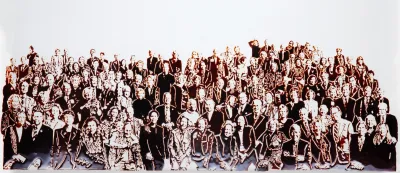
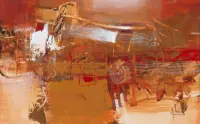
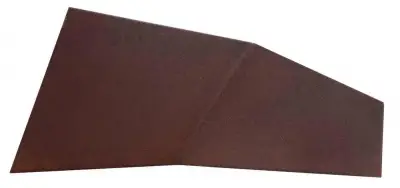
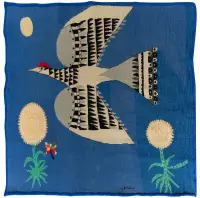
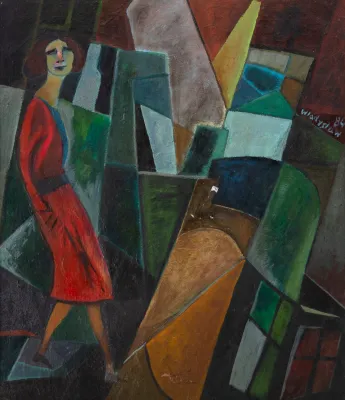
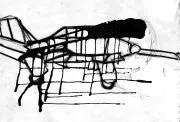
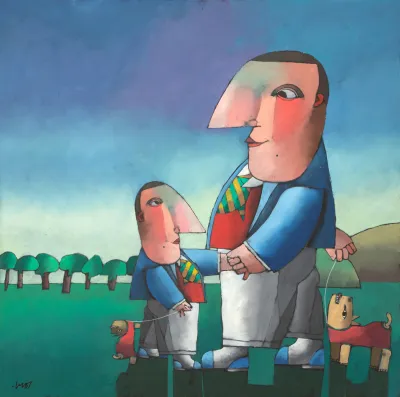
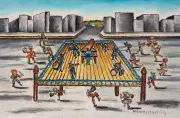
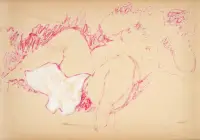
Teresa Nazar understands the aesthetic and social configuration of the 1960s: a dynamic time, marked by the advance of technology that revolutionized daily life and united feelings that interfered in the creative process of artists, transcending the particular to project itself onto the universal. An Argentine based in Brazil, the artist is thus defined by João Spinelli, the curator of the exhibition Teresa Nazar - Liberdade e Ousadia nos Anos 60 [Teresa Nazar - Freedom and Daring in the 60s], held by Galeria Berenice Arvani between March 27 and May 10. Teresa's first commercial solo show in recent decades, the exhibition presents to the public a set of 16 works, most of them paintings to which a series of unconventional materials are added: bent, cut and arched metal plates, fabrics, plaster, resin, screws and plastics. "Objects taken from daily life, industrialized, are appropriated as material for poetic re-signification. Stripped of their original purpose, devoid of any kind of glamour, they gain new power when they migrate to art. They denounce the ephemeral state of life, they re-signify values", says Spinelli. The works draw attention for their richness of textures. An outstanding painter and draftswoman, Teresa gradually adopted elements that energized her work, initially expressionist in character. In her paintings, one notices the incorporation of a new figuration influenced by pop. Perfectly integrated into the composition, the elements used acquire a certain autonomy, with an unexpected, unusual appearance. Perceptible, the seams highlight not only the precariousness of these materials, but of humanity itself. "A long time ago - out of necessity and obligation - I did away with easel painting. I believe in the materials I seek and use, because through them I manage to give concrete form to a piece of the time in which I existed", the artist commented in September 1966, in an interview with the Jornal do Brasil. Not by chance, many critics place Teresa Nazar's visual production within the Pop Art movement. For the artist, however, the label did not fit. "My art is quite different from what the American pop artists show in their works, because, the artist being the thermometer of his time, he will portray the symbols of the world around him within his geographical limits", she stated on the same occasion. "More than Pop, Teresa was a Camp artist", says Spinelli, referring to the aesthetic commonly linked to excess, in a direct criticism of the excessive consumerism typical of the middle class. "At the same time, we cannot deny that many of her works conceptually touch on Pop: Teresa was in tune with this transformation of art by incorporating elements of popular culture into her works", adds the curator, defining the artist's production as a kind of "tropical pop". While the Americans turned to recording celebrities and products of a society marked by unbridled consumption, Teresa portrayed ordinary everyday scenes, as in O Ônibus [The Bus] (1975), in which she presents a series of passengers seated side by side, and in the untitled work from the series Mulheres [Women] (early 1970s), with a trio of women in a scene that recalls a samba or a carnival ball. In the series Astronautas [Astronauts] (1966), the artist leaves the closer everyday world to bring up a topic discussed on TV and in newspapers of the time, the space race. Besides the paintings, the exhibition includes an iconic piece, also from the series Mulheres: Objeto [Object] (1960s), which was part of the exhibition Coletiva Oito Artistas | Apeningue [Group Show Eight Artists | Apeningue] - a play on the English term happening -, held by the São Paulo gallery Atrium in 1966.