
Maurício Nogueira Lima (Recife PE 1930 - Campinas SP 1999)
Maurício Nogueira Lima was a painter, architect, draftsman, graphic artist, and teacher. At the age of two, he moved with his family to São Paulo. Between 1947 and 1950, he studied fine arts at the Instituto de Belas Artes of the Universidade Federal do Rio Grande do Sul (UFRGS) in Porto Alegre. Returning to São Paulo in 1951, he attended courses in visual communication, industrial design, and advertising at the Instituto de Arte Contemporânea of the Museu de Arte de São Paulo Assis Chateaubriand (Masp), where he met Alexandre Wollner, Antônio Maluf, and Leopoldo Haar.
At the invitation of Waldemar Cordeiro, he joined the Ruptura Group in 1953 and participated in several concrete art exhibitions in the following years. He studied architecture at Universidade Presbiteriana Mackenzie in São Paulo between 1953 and 1957. In 1958, he was responsible for creating the logo and visual programming for the 1st International Textile Industry Fair (Fenit) in São Paulo. In 1960, he created the first large-scale environmental installations for the automotive industry at the Salão do Automóvel [São Paulo Motor Show].
Starting in 1974, he taught at several institutions, including the Faculdade de Arquitetura e Urbanismo of the Universidade de São Paulo (FAU/USP), where he completed his master's and doctorate in urban environmental structures. In the 1980s and 1990s, he developed several projects in public spaces, such as Praça Roosevelt, Largo São Bento, subway stations, and the Costa e Silva elevated highway, all in the city of São Paulo.
Critical Commentary
Maurício Nogueira Lima studied at the Instituto de Belas Artes of the Universidade Federal do Rio Grande do Sul between 1947 and 1949. He attended the visual communication and advertising course at the Instituto de Arte Contemporânea of the Museu de Arte de São Paulo between 1951 and 1956. During this period, he developed work in the field of visual communication alongside Alexandre Wollner (1928 - 2018) and Antônio Maluf (1926 - 2005).
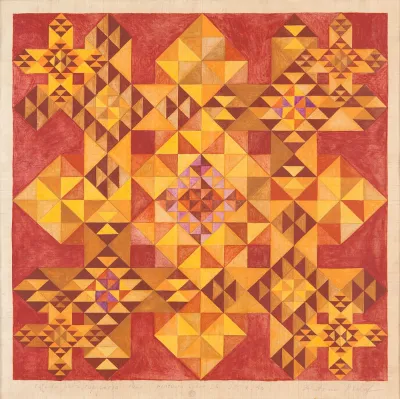
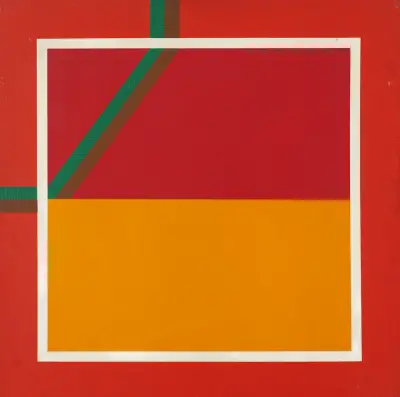
In the painting Composição 1 [Composition 1], 1952, he creates horizontal and vertical rhythms, presenting red and black incidences that contrast with the white surface of the support. He gradually embraced concrete painting, joining the Ruptura Group in 1955. In addition to his interest in the constructive discipline, the artist dedicated himself to increasing chromatic experimentation, as in the canvas Sem Título [Untitled], 1962, in which he presents small squares of ochre, blue, and green distributed over a red background. The use of complementary colors creates a strong chromatic vibration in the painting. Objeto Rítmico n. 2 [Rhythmic Object No. 2], from the 1970s, is a composition of regular geometric shapes, alternating between yellow and black. The ensemble, through the symmetry and repetition of a graphic pattern, offers the viewer the optical illusion of spiral movement.
In more recent paintings, the artist further explores the opposition between small areas of light and color and broad chromatic expanses. As the visual artist Claudio Tozzi (1944) points out, Maurício Nogueira Lima's works are designed based on sensitive geometry and executed with light gestures, revealing an intimate and reflective work.
Critiques
"The development of Maurício Nogueira Lima's work over the last two decades can be situated in parallel with that of Waldemar Cordeiro, differing only in its more recent consequences. In fact, both were among the first of our artists to absorb, after the 1st São Paulo International Biennial in 1951, the new language of concrete art (...). Both would also incorporate, in a contradiction of direction that was only apparent, the revival of figuration in the early years of the following decade, influenced by North American pop art; for Nogueira Lima, his professional activity in the field of advertising provided a sufficient basis and attraction for this new direction, where rigor remains, under another aspect: 'The figure for me does not have the same meaning as it does for an expressionist artist. The drawing of a face or anything else is equivalent to design. (...) Communication is the only thing that matters, industrial, modern communication (...)', he said in 1967. However, after this phase of quasi-appropriation of urban folklore (...) Maurício Nogueira Lima resumed his old interest in stripped-down geometric abstraction, in keeping with the current language of op art and virtual kinetic effects."
Roberto Pontual
PONTUAL, Roberto. Art/Brazil/today: 50 years later. São Paulo: Collectio, 1973.
"(...) he turned, at this time (1964 to 1970), to a figuration whose closest kinship was with pop art: high contrasts, grids, the use of images related to (or extracted from) consumer society. But it's important to know that the motivations were different. In Maurício's case, there was no influence from pop art (which he wasn't even familiar with), but rather from a long-standing professional experience with graphic arts. Furthermore, his figurative phase had a clearly participatory character, always developing along a line of critique of ideas and position-taking (...)".
Olívio Tavares de Araújo
Araújo, Olívio Tavares de. Paintings. São Paulo: Galeria de Arte Global, 1977.
"His training in various fields (visual arts, visual communication, and architecture) led Maurício Nogueira Lima (...) to a multifaceted professional application, including teaching among his activities. An artist with the most dogmatic rational principles, he maintained some instituting constants, especially in the optical animation of spaces, the serialization of constructions, and also in the specific search for colored grids. His first works, in this last aspect, were in black and white and red and black, and date from 1955, when he used color only in a structural sense, to separate forms. The gridded works continued until 1963 and are one of his strongest characteristics. Between 1964 and 1970, he abruptly interrupted this concrete production 'due to a lack of emotional balance in the face of sociopolitical events in the country' and, in the spirit of the New Figurations, he moved to an iconography based in high-contrast photography with a repertoire drawn from mass media. After the break, the return to geometric art was certainly made with greater freedom in the structuring of form and in the luminous sensibility of color, with some figurative elements insinuating themselves into the compositions."
Walter Zanini
ZANINI, Walter, ed. General History of Art in Brazil. Presentation by Walther Moreira Salles. São Paulo: Instituto Walther Moreira Salles, Fundação Djalma Guimarães, 1983.
Solo Exhibitions
1960 - Rio de Janeiro RJ - Maurício Nogueira Lima: retrospectiva [Maurício Nogueira Lima: Retrospective], at MAM/RJ
1962 - Campinas SP - Solo, at Galeria Aremar
1965 - São Paulo SP - Solo, at Galeria Mobilínea
1975 - São Paulo SP - Solo, at Galeria Modular
1976 - Campinas SP - Solo, at Centro de Convivência Cultural de Campinas
1977 - São Paulo SP - Maurício Nogueira Lima: 77 pinturas [Maurício Nogueira Lima: 77 Paintings], at Galeria Arte Global
1978 - Tatuí SP - Maurício Nogueira Lima: pinturas [Maurício Nogueira Lima: Paintings], at Conservatório Musical de Tatuí
1979 - Santo André SP - Maurício Nogueira Lima: pinturas e serigrafias [Maurício Nogueira Lima: Paintings and Screen Prints], at Kris Galeria de Artes
1979 - São Paulo SP - Solo, at Itaugaleria
1980 - São Paulo SP - Maurício Nogueira Lima: pesquisas visuais dos últimos 5 anos [Maurício Nogueira Lima: Visual Research of the Last 5 Years], at Galeria Cosme Velho
1984 - São Paulo SP - A Visão Construtiva de Maurício Nogueira Lima [The Constructive Vision of Maurício Nogueira Lima], at CCSP
1986 - São Paulo SP - Reflexão e Refração [Reflection and Refraction], at Galeria Choice
1990 - São Paulo SP - Solo, at Livraria Letrativa. Sala Mira Schendel
1993 - São Paulo SP - Maurício Nogueira Lima: um processo de criação por imagens, ensaios gráficos e pinturas [Maurício Nogueira Lima: A Creative Process through Images, Graphic Essays and Paintings], at Casa das Rosas
1994 - São Paulo SP - Maurício Nogueira Lima: pinturas [Maurício Nogueira Lima: Paintings], at A Hebraica
1997 - São Paulo SP - Solo, at Galeria Ruy Sant'Anna
Group Exhibitions
1952 - São Paulo SP - 2nd São Paulo Salon of Modern Art - acquisition prize
1954 - São Paulo SP - 3rd São Paulo Salon of Modern Art, at Galeria Prestes Maia - acquisition prize
1955 - São Paulo SP - 3rd São Paulo International Biennial, at Pavilhão das Nações
1955 - São Paulo SP - 4th São Paulo Salon of Modern Art, at Galeria Prestes Maia
1956 - São Paulo SP - 1st National Exhibition of Concrete Art, at MAM/SP
1957 - Buenos Aires (Argentina) - Modern Art in Brazil, at Museo de Arte Moderno
1957 - Lima (Peru) - Modern Art in Brazil, at Museo de Arte de Lima
1957 - Rio de Janeiro RJ - 1st National Exhibition of Concrete Art, at MAM/RJ
1957 - Rosario (Argentina) - Modern Art in Brazil, at Museo Municipal de Bellas Artes Juan B. Castagnino
1957 - Santiago (Chile) - Modern Art in Brazil, at Museo de Arte Contemporáneo
1957 - São Paulo SP - 4th São Paulo International Biennial, at Pavilhão Ciccillo Matarazzo Sobrinho
1957 - São Paulo SP - São Paulo Salon of Modern Art, at Galeria Prestes Maia
1958 - São Paulo SP - Leirner Contemporary Art Prize, at Galeria de Arte das Folhas
1959 - Leverkusen (Germany) - 1st Group Exhibition of Brazilian Artists in Europe
1959 - Munich (Germany) - 1st Group Exhibition of Brazilian Artists in Europe, at Kunsthaus
1959 - São Paulo SP - 8th São Paulo Salon of Modern Art - acquisition prize
1959 - São Paulo SP - Leirner Contemporary Art Prize, at Galeria de Arte das Folhas
1959 - Vienna (Austria) - 1st Group Exhibition of Brazilian Artists in Europe
1960 - Hamburg (Germany) - 1st Group Exhibition of Brazilian Artists in Europe
1960 - Lisbon (Portugal) - 1st Group Exhibition of Brazilian Artists in Europe
1960 - Madrid (Spain) - 1st Group Exhibition of Brazilian Artists in Europe
1960 - Paris (France) - 1st Group Exhibition of Brazilian Artists in Europe
1960 - Rio de Janeiro RJ - Exposição de Arte Concreta [Concrete Art Exhibition], at MAM/RJ
1960 - São Paulo SP - 9th São Paulo Salon of Modern Art, at Galeria Prestes Maia
1960 - São Paulo SP - Leirner Contemporary Art Prize, at Galeria de Arte das Folhas
1960 - Utrecht (Netherlands) - 1st Group Exhibition of Brazilian Artists in Europe
1960 - Zurich (Switzerland) - Konkrete Kunst, at Helmhaus, organized by Max Bill
1961 - São Paulo SP - 6th São Paulo International Biennial, at Pavilhão Ciccillo Matarazzo Sobrinho
1962 - São Paulo SP - 11th São Paulo Salon of Modern Art, at Galeria Prestes Maia
1963 - São Paulo SP - Galeria Novas Tendências: coletiva inaugural [Galeria Novas Tendências: Inaugural Group Show], at Associação de Artes Visuais Novas Tendências
1965 - Porto Alegre RS - Cinco Pintores de Vanguarda [Five Avant-Garde Painters], at Margs
1965 - São Paulo SP - 8th São Paulo International Biennial, at Fundação Bienal
1965 - São Paulo SP - Proposta 65, at MAB/Faap
1966 - Salvador BA - 1st National Visual Arts Biennial - acquisition prize
1967 - Campinas SP - 3rd Contemporary Art Salon, at MACC
1967 - Rio de Janeiro RJ - Nova Objetividade Brasileira [New Brazilian Objectivity], at MAM/RJ
1967 - São Paulo SP - 17th São Paulo Salon of Modern Art - large silver medal
1967 - São Paulo SP - 6 Painters of the New Objectivity, at IAB/SP
1967 - São Paulo SP - 9th São Paulo International Biennial, at Fundação Bienal
1967 - Tokyo (Japan) - Tokyo Biennial
1968 - Rio de Janeiro RJ - O Artista Brasileiro e a Iconografia de Massas [The Brazilian Artist and Mass Iconography], at Esdi
1968 - São Paulo SP - 17th São Paulo Salon of Modern Art - State Council of Culture Grand Prize
1970 - Paris (France) - Salon d'Automne
1970 - São Paulo SP - 2nd São Paulo Contemporary Art Salon - 1st prize in painting
1970 - São Paulo SP - Group show, at IAB/SP
1971 - Barcelona (Spain) - Bienal Internacional del Deporte [International Sports Biennial]
1971 - São Paulo SP - Futebol x Arte [Soccer x Art], at Paço das Artes
1972 - São Paulo SP - Art/Brazil/Today: 50 Years Later, at Galeria da Collectio
1973 - Brasília DF - Architect-Painters, at Touring Clube do Brasil
1973 - São Paulo SP - 12th São Paulo International Biennial, at Fundação Bienal
1973 - São Paulo SP - 5th Panorama of Current Brazilian Art, at MAM/SP
1974 - São Paulo SP - 5th São Paulo Contemporary Art Salon, at Masp - State Council of Culture Prize: Painting
1976 - São Paulo SP - 8th Panorama of Current Brazilian Art, at MAM/SP
1977 - Rio de Janeiro RJ - Brazilian Constructive Project in Art: 1950-1962, at MAM/RJ
1977 - São Paulo SP - Brazilian Constructive Project in Art: 1950-1962, at Pinacoteca do Estado
1978 - São Paulo SP - The Biennials and Abstraction: The 1950s, at Museu Lasar Segall
1978 - São Paulo SP - O Objeto na Arte: Brasil Anos 60 [The Object in Art: Brazil in the 1960s], at MAB/Faap
1979 - São Paulo SP - 11th Panorama of Current Brazilian Art, at MAM/SP
1979 - São Paulo SP - Return to the Figure: The 1960s, at Museu Lasar Segall
1981 - São Paulo SP - Contemporary Brazilian Artists, at Galeria de Arte São Paulo
1982 - Rio de Janeiro RJ - The Universe of Football, at MAM/RJ
1983 - São Paulo SP - 14th Panorama of Current Brazilian Art, at MAM/SP
1983 - São Paulo SP - Reinterpretation Project, at Pinacoteca do Estado
1984 - São Paulo SP - Art in the Street 2
1984 - São Paulo SP - Tradition and Rupture: A Synthesis of Brazilian Art and Culture, at Fundação Bienal
1985 - Penápolis SP - Noroeste Visual Arts Salon, at Fundação das Artes de Penápolis
1985 - São Paulo SP - 18th São Paulo International Biennial, at Fundação Bienal
1986 - São Paulo SP - 17th Panorama of Current Brazilian Art, at MAM/SP
1987 - Rio de Janeiro RJ - Geometric Abstraction: Concretism and Neo-Concretism, at Funarte
1987 - São Paulo SP - Geometric Abstraction: Concretism and Neo-Concretism, at MAB/Faap
1988 - São Paulo SP - 63/66 Figure and Object, at Galeria Millan
1991 - São Paulo SP - Artist-Architects, at Masp
1991 - São Paulo SP - Citizenship: 200 Years of the Declaration of the Rights of Man, at Sesc Pompeia
1991 - São Paulo SP - Constructivism: Poster Art 40/50/60, at MAC/USP
1991 - São Paulo SP - Sincronias [Synchronies]
1992 - Poços de Caldas MG - Brazilian Modern Art: Collection of the Museu de Arte Contemporânea da Universidade de São Paulo, at Casa de Cultura
1992 - São Paulo SP - Cidadania - 200 Anos da Declaração dos Direitos do Homem e do Cidadão [Citizenship - 200 Years of the Declaration of the Rights of Man and of the Citizen], at Pinacoteca do Estado
1992 - São Paulo SP - Reopening Show of the Museu de Arte Contemporânea de Americana, at MAC/Americana
1994 - Poços de Caldas MG - Unibanco Collection: Exhibition Celebrating Unibanco's 70th Anniversary, at Casa de Cultura
1994 - Rio de Janeiro RJ - Unibanco Collection: Exhibition Celebrating Unibanco's 70th Anniversary, at MAM/RJ
1994 - São Paulo SP - Bienal Brasil Século XX, at Fundação Bienal
1994 - São Paulo SP - Cláudio Tozzi, Ivald Granato, Cleber Machado, Maurício Nogueira Lima, Rubens Gerchman, Siron Franco and Tomoshige Kusuno, at A Hebraica
1995 - Rio de Janeiro RJ - Unibanco Collection: Exhibition Celebrating Unibanco's 70th Anniversary, at MAM/RJ
1995 - Santos SP - 5th Santos National Biennial, at Prefeitura Municipal de Santos
1995 - São Paulo SP - United Artists, at Casa das Rosas
1996 - Rio de Janeiro RJ - Constructive Tendencies in the MAC/USP Collection: Construction, Measure and Proportion, at CCBB
1996 - São Paulo SP - Desexp(l)os(ign)ição, at Casa das Rosas
1996 - São Paulo SP - The World of Mario Schenberg, at Casa das Rosas
1997 - São Paulo SP - Grandes Nomes da Pintura Brasileira [Great Names of Brazilian Painting], at Jo Slaviero Galeria de Arte
1998 - Brasília DF - Cien Recuerdos para García Lorca [A Hundred Memories for García Lorca], at Espaço Cultural 508 Sul
1998 - Niterói RJ - Mirror of the Biennial, at MAC/Niterói
1998 - São Paulo SP - Constructive Art in Brazil: Adolpho Leirner Collection, at MAM/SP
1998 - São Paulo SP - Traços e Formas [Lines and Forms], at Jo Slaviero Galeria de Arte
1999 - Rio de Janeiro RJ - Constructive Art in Brazil: Adolpho Leirner Collection, at MAM/RJ
Posthumous Exhibitions
1999 - Rio de Janeiro RJ - Constructive Art in Brazil: Adolpho Leirner Collection, at MAM/RJ
1999 - São Paulo SP - Década de 50 e Seus Envolvimentos [The 1950s and Their Involvements], at Jo Slaviero Galeria de Arte
2000 - Lisbon (Portugal) - Século XX: arte do Brasil [20th Century: Art of Brazil], at Centro de Arte Moderna José de Azeredo Perdigão
2000 - São Paulo SP - Brasil + 500 Rediscovery Exhibition, at Fundação Bienal
2000 - São Paulo SP - The Pirelli Collection in the MAM Collection: Brazilian Art in the 1960s, at MAM/SP
2000 - São Vicente SP - A Arte de Maurício Nogueira Lima: retrospectiva [The Art of Maurício Nogueira Lima: Retrospective], at CCBEU
2002 - Rio de Janeiro RJ - Brazilian Art in the Fadel Collection: From the Restlessness of the Modern to the Autonomy of Language, at CCBB
2002 - Rio de Janeiro RJ - Parallels: Brazilian Art of the Second Half of the 20th Century in Context, Colección Cisneros, at MAM/RJ
2002 - São Paulo SP - Brazilian Art in the Fadel Collection: From the Restlessness of the Modern to the Autonomy of Language, at CCBB
2002 - São Paulo SP - Cidadeprojeto/cidadeexperiência [Cityproject/Cityexperience], at MAM/SP
2002 - São Paulo SP - Map of Now: Recent Brazilian Art in the João Sattamini Collection of the Museu de Arte Contemporânea de Niterói, at Instituto Tomie Ohtake
2002 - São Paulo SP - Parallels: Brazilian Art of the Second Half of the 20th Century in Context, Colección Cisneros, at MAM/SP
2003 - Brasília DF - Brazilian Art in the Fadel Collection: From the Restlessness of the Modern to the Autonomy of Language, at CCBB
2003 - Mexico City (Mexico) - Cuasi Corpus: arte concreto y neoconcreto de Brasil: una selección del acervo del Museo de Arte Moderno de São Paulo y la Colección Adolpho Leirner [Quasi Corpus: Concrete and Neo-Concrete Art from Brazil: A Selection from the Collection of the Museu de Arte Moderna de São Paulo and the Adolpho Leirner Collection], at Museo Rufino Tamayo
2003 - São Paulo SP - Art and Society: A Controversial Relationship, at Itaú Cultural
Source: Itaú Cultural