In addition to appreciating art as a form of expression, many investors are discovering the profitable opportunities that the art market can offer. Investing in art can be an effective strategy when regarded as a long-term commitment. The appreciation of works of art often occurs over time, especially when associated with the artist's continuous recognition, historical events or changes in the cultural or financial scene. Long-term vision are fundamental to capture the significant growth potential that some works may have over the years.
Why invest in artwork?
Investing in works of art transcends the simple acquisition of decorative pieces. Here are some fundamental reasons that make artwork an attractive asset class:
- Health valuation: the value of some works of art has shown a trend of appreciation over time, offering investors the opportunity to build a solid equity.
- Diversification of the portfolio: the inclusion of works of art in an investment portfolio provides diversification, helping to reduce risks associated with fluctuations in other financial markets.
- Resistance to economic changes: the art market has shown resilience in the face of economic fluctuations, often maintaining or increasing its value even in times of financial instability.
- Cultural and Aesthetics Experience: In addition to financial value, investing in art offers a unique cultural experience, allowing investors to appreciate and contribute to the global art scene.
- Financial return potential: By carefully selecting works by promising or established artists, investors can reap significant returns as the value of these works increases over time.
- Expression of identity and personal taste: the acquisition of works of art allows investors to express their identity and personal taste, transforming the investment into an enriching journey.
Know the works of the artists and their trajectories
Investing in art requires a deep understanding of the artist and his work. Carrying out a detailed research on the artist's trajectory, his previous expositions, criticisms and recognitions is imperative. In addition, looking for works that align with the artist's consistent style over time can be an indication of future appreciation.
Identify opportunities
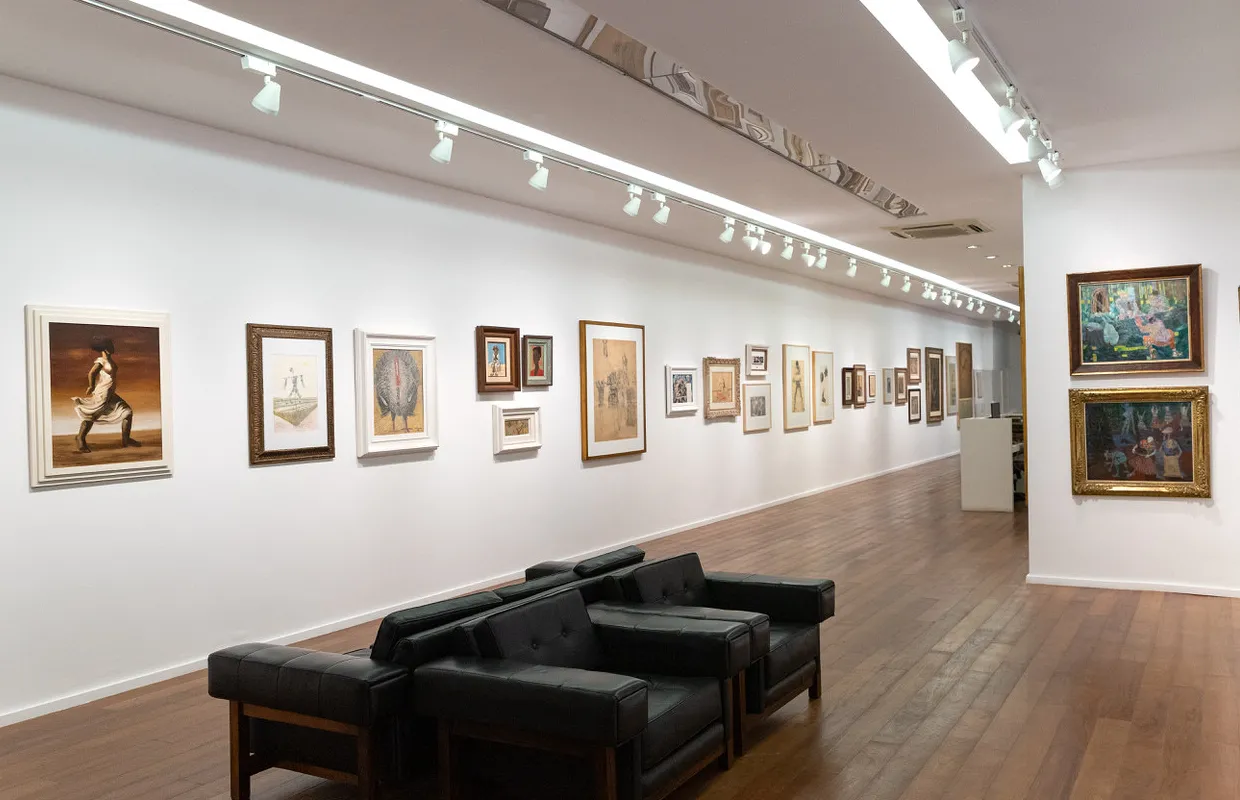
Participate in exhibitions and fairs provides a holistic view of the art market. When visiting these events, it is critical to keep in mind investment objectives, analyze emerging trends and build a network of contacts in between. Staying informed about relevant events, both local and international, is crucial to identify investment opportunities and establish valuable connections.
Buying artwork at auctions
Auctions are considered to be one of the most exciting and competitive methods of acquire art. In addition to emotion and exclusivity, a notable advantage is the possibility of obtaining works at more affordable prices compared to other means of acquisition. The competitive environment of auctions can result in unique opportunities, where great value works can be acquired at relatively lower values. This dynamic makes auctions an attractive option for investors who seek to expand their collections more accessible.
Other means of investment
In addition to auctions, there are other ways to invest in art, such as art galleries, online platforms specialized and investment funds dedicated to art. Exploring these options allows for a more diverse approach. When purchasing works directly from galleries, for example, investors can negotiate directly with owners and obtain insider information about the market. Participating in exhibitions and fairs also offers unique shopping opportunities, often directly from the artist or from renowned galleries.
Practical tips for investing in art
- Diversification of the portfolio: As with any investment, diversification is crucial. Investing in different artists, styles and periods can help mitigate risks.
- Professional Assessment: Count on the evaluation of art experts to determine the authenticity and value of a work is a recommended practice.
- Proper maintenance: The proper storage and maintenance of the works are essential to preserve their value. climatic and lighting conditions must be carefully considered.
- Participation in Investor Groups: Joining Art Investor Groups or Clubs offers the opportunity to share insights, experiences and valuable information about the market.
- Continuous follow-up: The art market is constantly evolving. Tracking trends, artist movements and changes in collectors' preferences is vital to make informed decisions.
By considering auctions, exhibitions, fairs and other means of acquisition, investors can efficiently diversify their portfolios. Detailed research on artists and understanding the long-term growth potential are crucial to success in this market.