José Oiticica Filho (Rio de Janeiro RJ 1906 - idem 1964)
Photographer, painter, entomologist and teacher.
The son of the anarchist thinker and philologist José Oiticica (1882 - 1957) and father of the visual artists Hélio Oiticica (1937 - 1980) and César Oiticica (1939), he is one of the main figures of modern Brazilian photography. He graduated from the Escola Nacional de Engenharia [National School of Engineering] in 1930 in Rio de Janeiro. He taught mathematics at the Jacobina and Pedro II schools, at the Faculdade Nacional de Medicina and at the Colégio Universitário between 1928 and 1962. He was a specialist entomologist at the Museu Nacional of the Universidade do Brasil from 1943 to 1964. One of the most influential members of the photo club movement in the country, he belonged to the Foto Clube Brasileiro and the Associação Brasileira de Arte Fotográfica in Rio de Janeiro, and the Foto Cine Clube Bandeirante in São Paulo. He took part in exhibitions in several countries, received awards and was included in a list of the world's best photographers drawn up by the Fédération Internationale de l'Art Photographique. In his career as a photographer, he produced utilitarian work - the microphotographs made to document his research; went through the photo clubs, which brought photographers together around discussions of the technique and aesthetics of photography; made abstract photographs and embraced constructivism, deepening the critique of the figurative and experimenting with new possibilities in the darkroom process, where he re-created the image fixed by the camera.
Critical Commentary
José Oiticica Filho devoted himself to electronic engineering and mathematics. He later worked as an entomologist at the Museu Nacional in Rio de Janeiro. Using microphotography in the study of insects, he became interested in the artistic possibilities of photography. In the early 1940s, he joined several photo club associations and became a renowned photographer, also exhibiting abroad.
He began making photographic montages in order to create new effects in his photos. In O Túnel [The Tunnel] (1951), he started from two different photographs: the tram tracks of a street and the cut-out photo of a forest. The fragments are mounted on a completely black background. In this case, the montage simulates realism: O Túnel seems, at first glance, an image captured from reality. The concern with geometrization can be seen in Triângulos Semelhantes [Similar Triangles] and Um que Passa [One Passing By] (both from 1953), in which he also explores the incidence of light and the shadows of buildings.
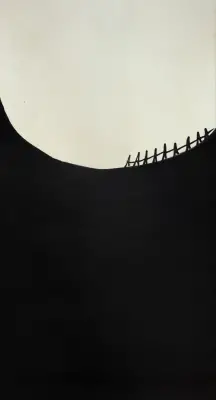
In Composição Óbvia [Obvious Composition] (ca. 1955), a landmark in his work, José Oiticica entirely retouched the photo, emphasizing the geometric forms. As the photography scholar Helouise Costa notes, the artist, on beginning his research in the field of abstraction, came to deny the possibility of creation with the camera and valued the role of technical work in the darkroom to achieve artistic expression. He experimented with various processes to reach abstraction.
Oiticica Filho sought to obtain non-figurative images based on processes such as the photogram, which consists of the direct exposure of objects on photosensitive paper. This process transforms everyday objects into mysterious images. José Oiticica Filho's photographs thus maintain a dialogue with the works of American photographers such as Man Ray (1890 - 1976). They also share, in their concern with issues related to light and surface, affinities with the experiments in photography carried out by László Moholy-Nagy (1894 - 1946). For the critic Paulo Herkenhoff, in the work of these artists "the separation between painting and photography is broken to affirm a common field of the visual or plastic arts".1
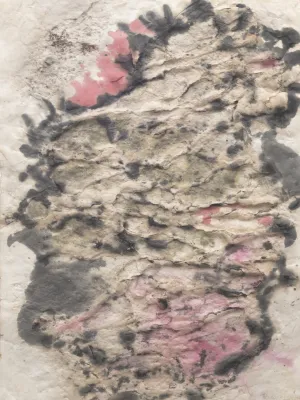
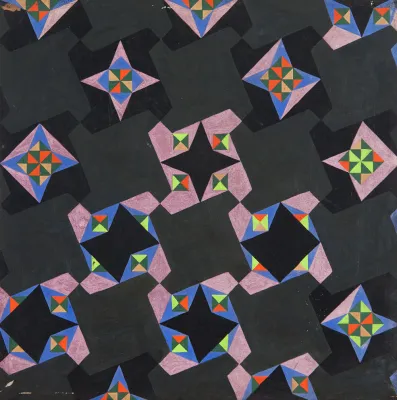
In 1955, he produced the series Paredes de Ouro Preto [Walls of Ouro Preto] - photographs of details or enlargements of walls, in which the marks of time on the buildings can be seen. José Oiticica then began to create surfaces to photograph abstraction. He drew on paper, over which corrugated glass was placed, which avoids reflections, dilutes the forms and gives the image a different texture. He made drawings or paintings that were photographed; the negative was enlarged to produce a transparent positive, the drawings were superimposed and copied, resulting in a new transparency, and so on. He obtained images that are expanding forms with great dynamism, naming them Recriações [Re-creations]. Recriação 38 A/64 (1964), for example, presents broad brushstrokes in various directions, photographed in high contrast. In this work, the author explores the textures of the brushstrokes, the suggestion of dynamism and the energy of the gesture.
Some Recriações are conceived as constructive photographs, as, for example, Recriação 1-5 (1959). In Paulo Herkenhoff's opinion, there is a dialogue between some of José Oiticica's photographic Recriações and works such as Metaesquemas [Metaschemes] by Hélio Oiticica (1937 - 1980) - his son. For the critic, in both there is a standard module that is unfolded in various ways: in dimension or direction; they also share a graphic character, with oppositions between light-colored forms and a dark background or vice versa. José Oiticica treats the photographic print as a surface: he prepares the composition to be photographed and produces successive transparencies in negative and positive. The artist thus explores the countless possibilities of creation from photographic prints.
Notes
1 HERKENHOFF, Paulo. A trajetória: da fotografia acadêmica ao projeto construtivo. In: JOSÉ OITICICA FILHO: a ruptura da fotografia nos anos 50. Rio de Janeiro: FUNARTE, 1983, p. 17.
Critiques
"José Oiticica Filho's constructive choice established a struggle on two levels: image and process. The first question, the critique of figurative photography, would deepen. Oiticica, who would always attribute a mimetic function to it, even if the photographer sought the camera to interpret reality, now presented an aesthetic argument: 'the possibilities of composition (realism/figurativism) within the rectangle have already been practically exhausted'. At the level of process, in works based on non-representation, it was no longer enough to record. It was up to the photographer to participate, explore and experiment not the 'decisive moment' but the 'fundamental time': photography is made in the darkroom. More than not abstaining from making the print, Oiticica investigated and extended its potential. The production of the plastic image, via photography, is created in the preparation of the original, provisionally fixed with the camera, to be re-created: in the process, new forms and latent relationships develop".
Paulo Herkenhoff
HERKENHOFF, Paulo. A Trajetória: da fotografia acadêmica ao projeto construtivo. OITICICA FILHO, José. A Ruptura da fotografia nos anos 50. Rio de Janeiro: Funarte, 1983. p.15.
"It is interesting to note that José Oiticica Filho's abstractionist research is contemporary with the production of constructive photograms by the São Paulo School. One distinction: while the photograms produced by the bandeirantes were, in general, the result of a lifeless formalism, the same did not happen in Oiticica's work, in which form was never articulated in an obvious way. The artist's work must be situated in terms of his keen visual sensitivity, materialized in research with great reformulating potential in the broader universe of the visual arts in Brazil.
Without a doubt, in the general field of the visual arts, Oiticica's work takes on a new coloring and should be read as a valuable contribution, taking on at times expressionist, at times constructivist characteristics".
Helouise Costa e Renato Rodrigues
COSTA, Helouise e RODRIGUES, Renato. A fotografia moderna no Brasil. Rio de Janeiro: Editora da UFRJ: IPHAN: FUNARTE, 1995. p. 86.
"By adding to the action of the eye the joint work of the brain and the hand, photopictorialism in fact creates an ambiguous product. If, on the one hand, control of the image makes it possible to differentiate the photographic print from the real datum, pointing to the linguistic autonomy of the new medium, on the other hand, it is precisely this autonomy that is called into question, denied for being mechanical and not belonging to the universe of art because of a 'genetic defect'. The attempt to neutralize the medium is evident in Oiticica not only in the results obtained - control of tones, the search for dramatic or diffuse lighting, blurring, composite images, among others - but also in the privilege given to landscape, which is undoubtedly one of the recurring themes of pictorialist practice. Like the pictorialists, Oiticica invests landscape with an elegiac feeling, translated into the search for particular moments, above all sunsets, with their power of suggestion and luminous saturation. The set of sunsets Oiticica created between 1946 and 1948, of which Pôr-do-sol na Gávea [Sunset in Gávea] (1947) is an emblematic example, clearly bears witness to the photographer's pictorialist concerns. Light is not so much a factor of composition, as Moholy-Nagy postulated, but functions above all as a dramatic effect, capable of arousing values of sentimental enjoyment. What matters to Oiticica is to display his own virtuosity, the ability to bring diffuse contrasts to life, to create a suggestive image evoking atmospheres close to pictorial tonalism".
Annateresa Fabris
FABRIS, Annateresa. A fotografia além da fotografia: José Oiticica Filho (1947-1995). In: IMAGENS. Campinas: Editora da Unicamp, nº 8, maio/ago, 1998. p. 70.
Testimonials
"(...) always dissatisfied, knowing myself a prisoner of a stubborn camera that copies instead of creating. Knowing myself a prisoner of a medium of expression somewhat limited in its possibilities, as is a sheet of chlorobromide paper. Hence my struggle, seeking to master the medium through technique, in order to print on a rectangle of paper something aesthetic, as much as possible in accordance with my inner self".
José Oiticica Filho
Exposição de José Oiticica Filho, BFC n. 88, abr. 1954.
Solo Exhibitions
1951 - Rio de Janeiro RJ - Solo, at Associação Brasileira de Arte Fotográfica - commemorative medal
Group Exhibitions
1945 - Concórdia (Argentina) - Group show, at Foto Club de Concórdia
1945 - São Paulo SP - Group show, at FCCB
1946 - Buenos Aires (Argentina) - Group show, at Foto Club Buenos Aires
1946 - Concórdia (Argentina) - Group show, at Foto Club de Concórdia
1946 - London (England) - Group show, at London Salon
1946 - Santiago (Chile) - Group show, at Club Fotográfico de Chile
1946 - São Paulo SP - Group show, at FCCB
1946 - São Paulo SP - 5º Salão Internacional de Arte Fotográfica [5th International Salon of Photographic Art] - 2nd prize
1947 - Buenos Aires (Argentina) - Group show, at Foto Club Buenos Aires
1947 - Santiago (Chile) - Group show, at Club Fotográfico de Chile
1947 - São Paulo SP - Group show, at FCCB
1948 - Washington (United States) - Northwest Salon - honorable mention
1948 - Luxembourg (Belgium) - 2º Salon International D'Art Photographique - diploma of honor
1948 - Havana (Cuba) - Group show, at Club Fotográfico de Cuba
1948 - London (England) - Group show, at Royal Photography Society
1948 - Mendoza (Argentina) - Group show, at Foto Club Mendoza
1948 - Santiago (Chile) - Group show, at Club Fotográfico de Chile
1948 - São Paulo SP - Group show, at FCCB
1949 - Washington (United States) - 3º Salão Anual Internacional: Photography in Science [3rd International Annual Salon: Photography in Science] - Smithsonian Institution and The Scientific Monthly - honorable mention
1949 - Brussels (Belgium) - Salão Internacional de Arte Fotográfica [International Salon of Photographic Art] - diploma of honor
1949 - Niterói RJ - 1ª Exposição Mundial de Arte Fotográfica [1st World Exhibition of Photographic Art] - Sociedade Fluminense de Fotografia - 1st prize
1949 - Havana (Cuba) - Group show, at Club Fotográfico de Cuba
1949 - London (England) - Group show, at Royal Photography Society
1949 - Santiago (Chile) - Group show, at Club Fotográfico de Chile
1949 - São Paulo SP - Group show, at FCCB
1950 - Brussels (Belgium) - Salon International d'Art Photographique - diploma of honor
1950 - Havana (Cuba) - Group show, at Club Fotográfico de Cuba
1950 - London (England) - Group show, at Royal Photography Society
1950 - Santiago (Chile) - Group show, at Club Fotográfico de Chile
1950 - São Paulo SP - Group show, at FCCB
1951 - Brussels (Belgium) - Salon International d'Art Photographique - photographic art medal
1951 - Amsterdam (Netherlands) - Group show, at Focus Ltd. Fotosalon
1951 - Buenos Aires (Argentina) - Group show, at Foto Club Buenos Aires
1951 - Havana (Cuba) - Group show, at Club Fotográfico de Cuba
1951 - Ipswich District (England) - Group show, at Ipswich District Photographic Society
1951 - London (England) - Group show, at Royal Photography Society
1951 - Mendoza (Argentina) - Group show, at Foto Club Mendoza
1951 - Santiago (Chile) - Group show, at Club Fotográfico de Chile
1951 - São Paulo SP - Group show, at FCCB
1952 - Amsterdam (Netherlands) - Group show, Focus Ltd. Fotosalon
1952 - Buenos Aires (Argentina) - Group show, at Foto Club Buenos Aires
1952 - London (England) - Group show, at Royal Photography Society
1952 - Santiago (Chile) - Group show, at Club Fotográfico de Chile
1952 - São Paulo SP - Group show, at FCCB
1953 - Santo André SP - Salão Internacional de Arte Fotográfica [International Salon of Photographic Art] - Câmera Clube de Santo André Diploma of Honor
1953 - Recife PE - 2º Salão Nacional de Arte Fotográfica do Recife [2nd Recife National Salon of Photographic Art] - diploma of honor
1953 - Argentina - Group show, at Club Atlético Independiente
1953 - Argentina - Group show, at Foto Club Argentino
1953 - Bahia Blanca (Argentina) - Group show, at Foto Club Bahia Blanca
1953 - Buenos Aires (Argentina) - Group show, at Foto Club Buenos Aires
1953 - Havana (Cuba) - Group show, at Club Fotográfico de Cuba
1953 - Ipswich District (England) - Group show, at Ipswich District Photographic Society
1953 - London (England) - Group show, at Royal Photography Society
1953 - Mendoza (Argentina) - Group show, at Foto Club Mendoza
1953 - Santiago (Chile) - Group show, at Club Fotográfico de Chile
1953 - São Paulo SP - Group show, at FCCB
1954 - Minas Gerais - 3º Salão do Foto Clube Minas Gerais [3rd Foto Clube Minas Gerais Salon] - 3rd prize
1954 - São Paulo SP - 13º Salão de Arte Fotográfica [13th Salon of Photographic Art], at FCCB
1954 - Jaboticabal SP - 2º Salão de Arte Fotográfica [2nd Salon of Photographic Art] - diploma of honor
1954 - South Africa - 28th South Africa Salon of Photography - certificate of merit
1954 - Argentina - Group show, at Foto Club Argentino
1954 - Buenos Aires (Argentina) - Group show, at Foto Club Buenos Aires
1954 - Havana (Cuba) - Group show, at Club Fotográfico de Cuba
1954 - Santiago (Chile) - Group show, at Club Fotográfico de Chile
1954 - São Paulo SP - Group show, at FCCB
1955 - Bordeaux (France) - 7º Salão Internacional d'Art Photographique [7th International Salon of Photographic Art] - silver medal
1955 - Niterói RJ - 4º Salão de Arte Fotográfica da Sociedade Fluminense de Fotografia [4th Salon of Photographic Art of the Sociedade Fluminense de Fotografia] - honor for merit
1955 - Argentina - Group show, at Foto Club Argentino
1955 - Bahia Blanca (Argentina) - Group show, at Foto Club Bahia Blanca
1955 - Buenos Aires (Argentina) - Group show, at Foto Club Buenos Aires
1955 - Havana (Cuba) - Group show, at Club Fotográfico de Cuba
1955 - Ipswich District (England) - Group show, at Ipswich District Photographic Society
1955 - London (England) - London Salon
1955 - London (England) - Group show, at Royal Photography Society
1955 - Santiago (Chile) - Group show, at Club Fotográfico de Chile
1955 - São Paulo SP - Group show, at FCCB
1956 - Santos SP - 1º Salão de Arte Fotográfica [1st Salon of Photographic Art] - diploma of honor for merit
1956 - Santiago (Chile) - Group show, at Club Fotográfico de Chile
1956 - São Paulo SP - Group show, at FCCB
1957 - São Paulo SP - Group show, at FCCB
1958 - Rio de Janeiro RJ - 7º Salão Nacional de Arte Moderna [7th National Salon of Modern Art]
1958 - São Paulo SP - Group show, at FCCB
1959 - Rio de Janeiro RJ - Salão Nacional de Arte Moderna [National Salon of Modern Art]
1959 - São Paulo SP - Group show, at FCCB
1961 - Curitiba PR - 6º Salão Fotográfico [6th Photographic Salon] - honorable mention
1961 - São Paulo SP - Group show, at FCCB
1962 - São Paulo SP - Group show, at FCCB
1963 - São Paulo SP - Group show, at FCCB
1963 - Rio de Janeiro RJ - 12º Salão Nacional de Arte Moderna [12th National Salon of Modern Art]
1963 - São Paulo SP - 7ª Bienal Internacional de São Paulo [7th São Paulo International Biennial], at Fundação Bienal
1964 - Rio de Janeiro RJ - Mostra Quatro Fotógrafos [Four Photographers Exhibition], at Galeria do Instituto Brasil - Estados Unidos
Posthumous Exhibitions
1983 - Rio de Janeiro RJ - José Oiticica Filho: a ruptura da fotografia nos anos 50 [José Oiticica Filho: The Rupture of Photography in the 1950s], at Galeria de Fotografia da Funarte
2001 - São Paulo SP - Trajetória da Luz na Arte Brasileira [Trajectory of Light in Brazilian Art], at Itaú Cultural
2001 - Campinas SP - Realidades Construídas: do pictorialismo à fotografia moderna [Constructed Realities: From Pictorialism to Modern Photography], at Itaú Cultural Campinas
2001 - Belo Horizonte MG - Realidades Construídas: do pictorialismo à fotografia moderna [Constructed Realities: From Pictorialism to Modern Photography], at Itaú Cultural
2002 - São Paulo SP - A Forma e a Imagem Técnica na Arte do Rio de Janeiro: 1950-1975 [Form and the Technical Image in the Art of Rio de Janeiro: 1950-1975], at Paço das Artes
Source: Itaú Cultural