
Bernardo Cid (São Paulo SP 1925 - 1982)
Bernardo Cid was a painter, sculptor, draftsman and printmaker. Self-taught, he held his first solo exhibition in 1952 at Galeria Ambiente in São Paulo. In 1959, he won the sculpture competition of the Câmara Brasileira do Livro (CBL) [Brazilian Book Chamber], becoming responsible for creating the statuette of the Prêmio Jabuti [Jabuti Award]. In the 1960s, he was part of the Realismo Mágico [Magic Realism] group alongside Wesley Duke Lee (1931 - 2010), and also took part in the Austral group, an offshoot of the Paris Phases movement, in São Paulo. In 1965, he showed in the exhibition Propostas 65 [Proposals 65] at the Fundação Armando Álvares Penteado (Faap) in São Paulo. He took part in the 5th and 8th Bienal Internacional de São Paulo [São Paulo International Biennial], in 1959 and 1965, respectively.
He received an award at the 17th Salão Paulista de Arte Moderna [São Paulo Salon of Modern Art] in 1968. In 1976, he took part as a guest artist in the Bienal Nacional 76 [National Biennial 76] at the Fundação Bienal de São Paulo. In 1997, his work was included in the exhibition Phases: Surrealismo e Contemporaneidade, Grupo Austral e Cone Sul [Phases: Surrealism and Contemporaneity, Austral Group and Southern Cone] at the Museu de Arte Contemporânea da Universidade de São Paulo (MAC/USP).
Critical Commentary
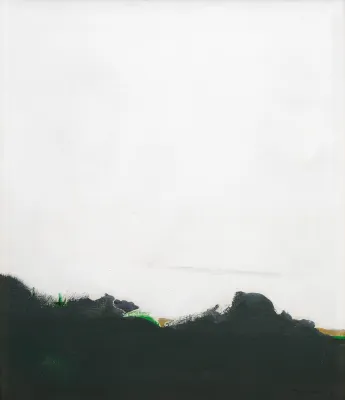
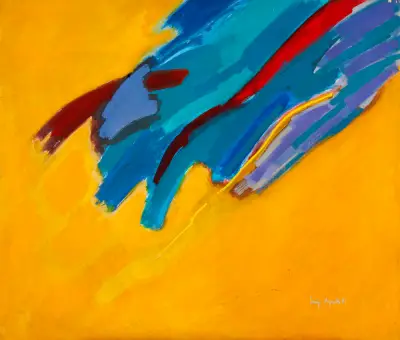
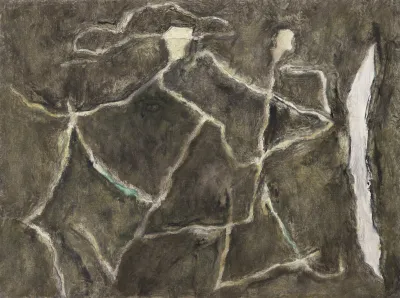
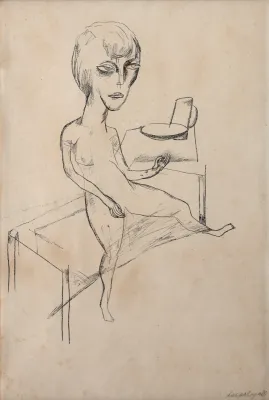
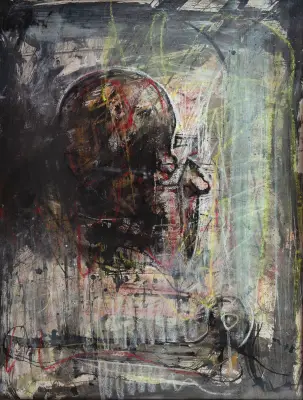
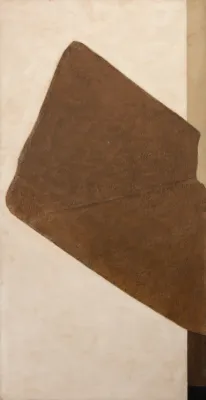
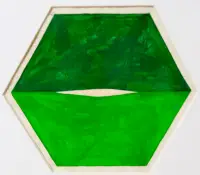
Concerned with graphic aspects in the 1950s, as his drawings Figura n° 1 [Figure No. 1] and Figura n° 2 [Figure No. 2] (1955) attest, Bernardo Cid became interested in informal abstraction in the early part of the following decade. According to the critic Mário Schenberg, this so-called informal phase ended in 1964, when Cid returned to figuration, incorporating fantastic or dreamlike elements.
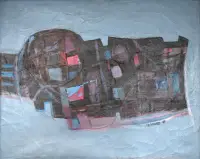
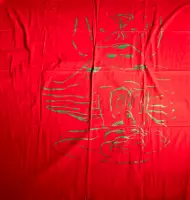
In fact, the change in Cid's poetics coincides with a transformation in the local art scene, when the interest in abstraction, both geometric and informal, of the late 1950s and early 1960s was replaced by attention to the new figurations. From this phase of return to new figuration comes the sculpture Criatura Vestida [Clothed Creature] (1966), in which an amalgam of elements of disparate nature, simultaneously evoking the organic and the mechanical, fuses into an asymmetrical, compact whole.
Poema Concreto de Pedro Xisto [Concrete Poem by Pedro Xisto], also from 1967, makes a clear reference to pop art and concrete poetry. The words that make up the concrete poem mentioned in the title, paying tribute to the Pernambuco poet Pedro Xisto (1901 - 1987), are superimposed on the figures as in a collage, a device common in the artist's production in that period.
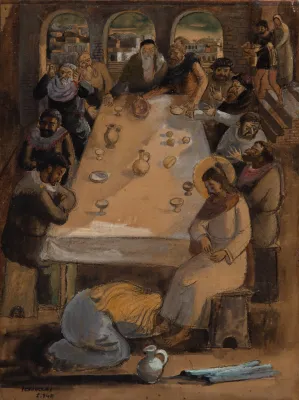
At the same time, in the 1960s, his work adopted a social theme - which shows in the distorting treatment of the human figure - as in Nós Esperamos [We Wait] (1966). In the following decades, Cid pursued various investigations, above all in painting and lithography.
Critiques
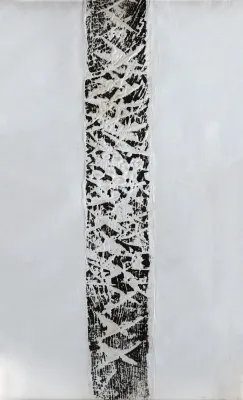
"In the figurative phases prior to 1960, Bernardo Cid experimented with various techniques. Generally speaking, graphic work played the most important role in this period, although he also used an enamel technique. In 1960 he began his informal abstract phase, which lasted until the end of 1964, when he went back to figurativism. Cid's informal painting is of considerable interest. Some works from this period come close to Abstract Expressionism, revealing a marked cosmic sense, adequately conveyed by a pictorial language rich in chromatic sensitivity. Cid's cosmic vision has a restrained but strong drama. It reappeared, combined with other elements, in some of his neorealist paintings of 1965. The passage through informalism considerably enriched Cid's painting, countering an excessive predominance of graphic work evident in the previous phases. It refined his spatial sense and gave it musicality. A year ago, Cid began his new figurative phase. He started developing a kind of broader realism, seeking to capture the totality of the person, the situation or the poetic idea. These works are complex and fascinating in their combination of magic or fantastic realism with elements of the old Italian metaphysical painting and the inclusion of collages, words and written texts in the visual composition. Cid used some concrete poems and haikus or reminiscences as a 'leitmotiv' for his works".
Mário Schenberg
SCHENBERG, Mário. Pensando a arte. São Paulo: Nova Stella, 1988.
Solo Exhibitions
1952 - São Paulo SP - Solo, at Galeria Ambiente
1954 - São Paulo SP - Solo, at Galeria Ambiente
1959 - Ribeirão Preto SP - Solo
1964 - São Paulo SP - Solo, at Galeria La Ruche
1964 - São Paulo SP - Solo, at Galeria KLM
1967 - São Paulo SP - Solo, at Galeria Mirante das Artes
1968 - São Paulo SP - Solo, at Galeria Mirante das Artes
1969 - London (England) - Solo, at Lisson Gallery
1971 - São Paulo SP - Solo, at Documenta Galeria de Arte
1974 - Washington (United States) - Solo, at Galeria da OEA
1977 - São Paulo SP - Solo, at Christina Faria de Paula Galeria de Arte
1978 - Porto Alegre RS - Solo, at Galeria Guignard
1978 - Porto Alegre RS - Solo, at Pontifícia Universidade Católica do Rio Grande do Sul - PUC
1979 - Goiânia GO - Solo, at Casa Grande Galeria de Arte
1980 - São Paulo SP - Solo, at Galeria Suzanna Sassoun
1981 - São Paulo SP - Solo, at Christina Faria de Paula Galeria de Arte
1981 - Ribeirão Preto SP - Solo, at Itaugaleria
Group Exhibitions
1959 - Rio de Janeiro RJ - 8º Salão Nacional de Arte Moderna [8th National Salon of Modern Art]
1959 - São Paulo SP - 5ª Bienal Internacional de São Paulo [5th São Paulo International Biennial], at Pavilhão Ciccillo Matarazzo Sobrinho
1959 - São Paulo SP - Salão Paulista de Arte Moderna [São Paulo Salon of Modern Art]
1960 - São Paulo SP - 9º Salão Paulista de Arte Moderna [9th São Paulo Salon of Modern Art], at Galeria Prestes Maia
1961 - São Paulo SP - 10º Salão Paulista de Arte Moderna [10th São Paulo Salon of Modern Art], at Galeria Prestes Maia - honorable mention
1965 - São Paulo SP - 8ª Bienal Internacional de São Paulo [8th São Paulo International Biennial], at Fundação Bienal
1965 - São Paulo SP - Propostas 65 [Proposals 65], at MAB/Faap
1966 - Curitiba PR - Salão da Primavera [Spring Salon] - award winner
1968 - Campinas SP - 4º Salão de Arte Contemporânea de Campinas [4th Campinas Contemporary Art Salon], at MACC
1968 - Curitiba PR - 25º Salão Paranaense [25th Paraná Salon], at Biblioteca Pública do Paraná - guest of honor
1968 - Florianópolis SC - 1ª Exposição Nacional de Artes Plásticas [1st National Visual Arts Exhibition], at Masc
1968 - São Paulo SP - 17º Salão Paulista de Arte Moderna [17th São Paulo Salon of Modern Art] - award winner
1969 - São Paulo SP - 1º Panorama de Arte Atual Brasileira [1st Panorama of Current Brazilian Art], at MAM/SP
1969 - São Paulo SP - 1º Salão Paulista de Arte Contemporânea [1st São Paulo Contemporary Art Salon], at Masp
1970 - São Paulo SP - 2º Panorama de Arte Atual Brasileira [2nd Panorama of Current Brazilian Art], at MAM/SP
1972 - São Paulo SP - Mostra de Arte Sesquicentenário da Independência e Brasil Plástica - 72 [Art Exhibition for the Sesquicentennial of Independence and Brasil Plástica - 72], at Fundação Bienal
1973 - São Paulo SP - 5º Panorama de Arte Atual Brasileira [5th Panorama of Current Brazilian Art], at MAM/SP
1974 - France - Mostra do Grupo Phases [Phases Group Exhibition]
1974 - Medellín (Colombia) - 2ª Bienal de Arte Coltejer [2nd Coltejer Art Biennial]
1974 - São Paulo SP - 6º Panorama de Arte Atual Brasileira [6th Panorama of Current Brazilian Art], at MAM/SP
1976 - São Paulo SP - 8º Panorama de Arte Atual Brasileira [8th Panorama of Current Brazilian Art], at MAM/SP
1976 - São Paulo SP - Bienal Nacional 76 [National Biennial 76], at Fundação Bienal - guest artist
1977 - Washington (United States) - Group show, at Museu de Arte Contemporânea da América Latina
1978 - Curitiba PR - 1ª Mostra Anual de Gravura Cidade de Curitiba [1st Curitiba City Annual Printmaking Exhibition], at Centro de Criatividade
1978 - Penápolis SP - 3º Salão de Artes Plásticas da Noroeste [3rd Noroeste Visual Arts Salon], at Fundação Educacional de Penápolis - Faculdade de Filosofia, Ciências e Letras de Penápolis
1979 - São Paulo SP - 11º Panorama de Arte Atual Brasileira [11th Panorama of Current Brazilian Art], at MAM/SP
1979 - São Paulo SP - Quatro Pintores [Four Painters], at André Galeria de Arte, alongside Otávio de Araújo, Jorge Mori and Vito Campanella
1980 - São Paulo SP - 12º Panorama de Arte Atual Brasileira [12th Panorama of Current Brazilian Art], at MAM/SP
Posthumous Exhibitions
1984 - São Paulo SP - Tradição e Ruptura: síntese de arte e cultura brasileiras [Tradition and Rupture: A Synthesis of Brazilian Art and Culture], at Fundação Bienal
1985 - São Paulo SP - 100 Obras Itaú [100 Itaú Works], at Masp
1985 - São Paulo SP - A Arte do Imaginário [The Art of the Imaginary], at Galeria Encontro das Artes
1992 - São Paulo SP - A Sedução dos Volumes: os tridimensionais do MAC [The Seduction of Volumes: MAC's Three-Dimensional Works], at MAC/USP
1994 - São Paulo SP - Bienal Brasil Século XX [20th-Century Brazil Biennial], at Fundação Bienal
1997 - São Paulo SP - Phases: surrealismo e contemporaneidade - Grupo Austral e Cone Sul [Phases: Surrealism and Contemporaneity - Austral Group and Southern Cone], at MAC/USP
1998 - São Paulo SP - Os Colecionadores - Guita e José Mindlin: Matrizes e Gravuras [The Collectors - Guita and José Mindlin: Matrices and Prints], at Centro Cultural Fiesp
Source: Itaú Cultural