
Anatol Wladyslaw (Warsaw, Poland 1913 - São Paulo SP 2004)
Painter, draftsman and printmaker.
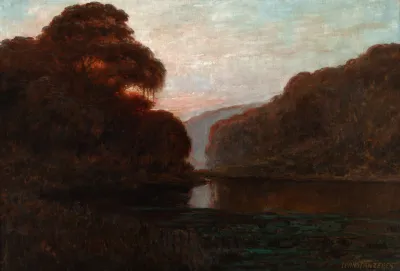
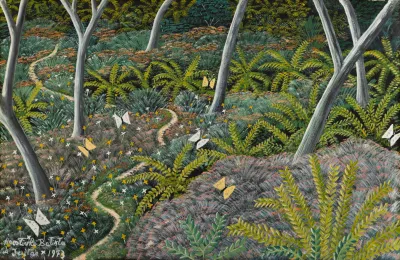
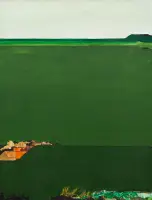
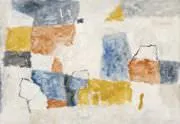
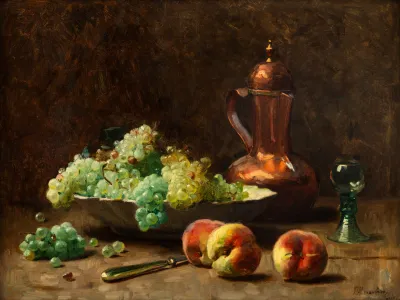
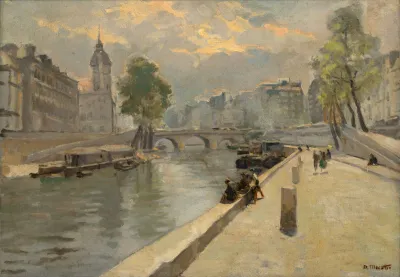
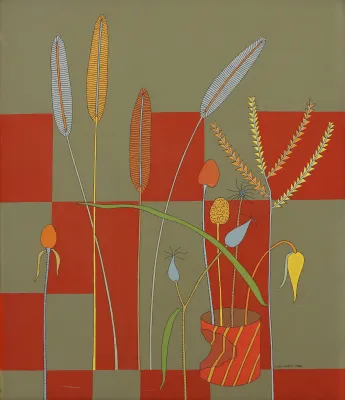
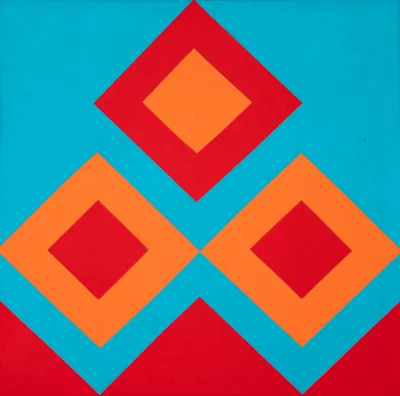
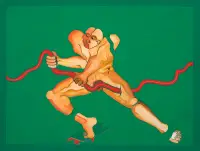
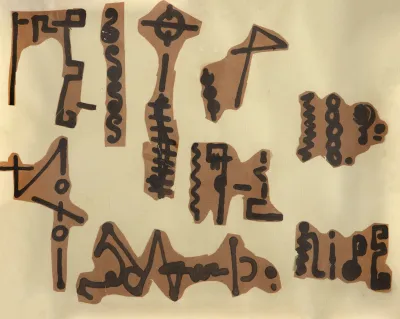
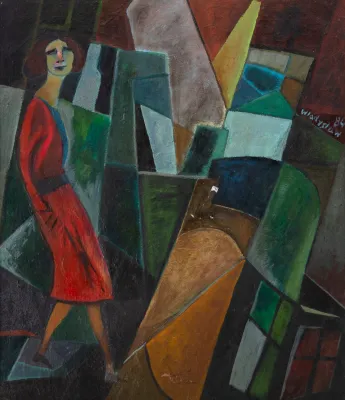
Trained in engineering, Anatol Wladyslaw Naftali began studying painting with Lucy Citti Ferreira (1911) and Yolanda Mohalyi (1909 - 1978). Later, he also attended the studio of Flexor (1907 - 1971). From the mid-1940s, he made his first figurative paintings. Around 1950, he produced entirely abstract-geometric works. He was a member of the Grupo Ruptura, together with the artists Waldemar Cordeiro (1925 - 1973), Geraldo de Barros (1923 - 1998), Lothar Charoux (1912 - 1987), Féjer (1923 - 1989), Leopoldo Haar (1910 - 1954) and Luiz Sacilotto (1924 - 2003), in 1952. Orthogonal compositions and the suggestion of the successive unfolding of planes of color predominate in his canvases. From the early 1960s, he returns to figuration and presents recognizable forms, rendered with great formal simplification. His production of the period reveals a mythical character that sometimes evokes the work of Marc Chagall (1887 - 1985).
Critical Commentary
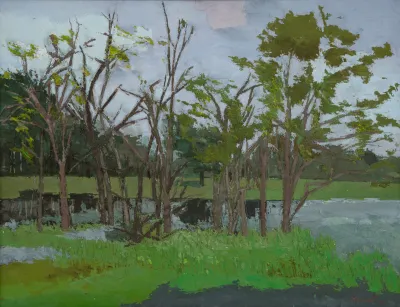
Anatol Wladyslaw starts late in art. He studies drawing and painting from 1944, after graduating as an electronic engineer in 1939. He takes classes with Lucy Citti Ferreira (1911), Yolanda Mohalyi (1909 - 1978) and Flexor (1907 - 1971). He exhibits for the first time at the Salão do Sindicato dos Artistas Plásticos [Salon of the Visual Artists' Union], in 1948. He paints landscapes with strong color contrasts. Two years later, he meets Waldemar Cordeiro (1925 - 1973) and, through him, comes into contact with artists interested in forming a constructive group in São Paulo. In 1952, he takes part in founding the Grupo Ruptura. He signs the group's manifesto and takes part in its first exhibition, at the Museu de Arte Moderna de São Paulo - MAM/SP. Also taking part in founding the collective are Leopoldo Haar (1910 - 1954), Lothar Charoux (1912 - 1987), Féjer (1923 - 1989), Geraldo de Barros (1923 - 1998) and Luiz Sacilotto (1924 - 2003).
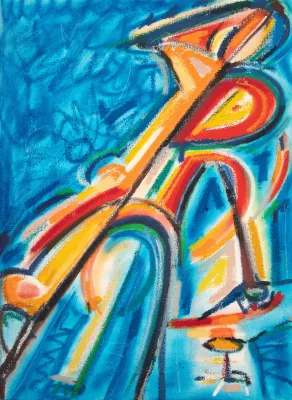
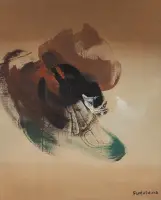
In this period, he makes constructive art, but without the rigor and impersonality of the more orthodox concretism. His painting is done in oil, in a traditional way, with soft and varied coloring. This geometric phase lasts until 1957. From then on, his canvases become more gestural, flirting with tachisme, and his work undergoes several changes. He gradually moves from constructivism to informal abstraction, and comes closer again to figuration. At the 6th São Paulo International Biennial, in 1961, Wladyslaw receives the national drawing prize. His work as a draftsman becomes better known than his work as a painter. According to the historian Wolfgang Pfeiffer, the drawings of this period are made "in a rather lyrical way (...) emphasizing their tachiste zones of concentration".
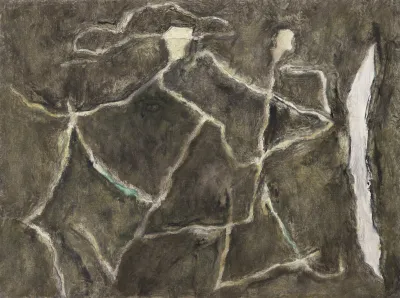
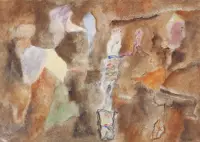
The paintings shown from 1963 are figurative. The artist traces images over a background of gestures and stains, superimposing recognizable forms on his informal painting. The critic and collector Theon Spanudis compares these paintings "of somber coloring and gleams" to "medieval cathedrals". Subjects become increasingly present in Wladyslaw's painting. In the 1960s, his pictures combine figurative drawing with gestural painting. In the following decade, the artist reduces the expressiveness of the brushstroke, gives more emphasis to areas of color and centers the composition on the subjects.
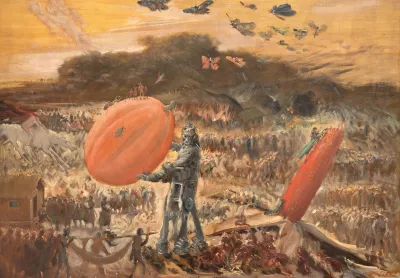
His painting deals with imaginative subjects, built with mythical figures. Increasingly close to the Surrealist sensibility, he addresses traditional Jewish narratives. The subjects and composition bring him close to the work of the Russian painter Marc Chagall (1887 - 1985). In 1984, he exhibits at the Museu de Arte de São Paulo Assis Chateaubriand - Masp. This is one of his last exhibitions of the decade. After 1986, his work goes into recess, remaining unshown for six years. In 1992, Wladyslaw returns to the galleries and mounts an exhibition of paintings in Wrocław and Warsaw, Poland. The following year, the same solo show is brought to the Pinacoteca do Estado de São Paulo - Pesp.
Source: Itaú Cultural