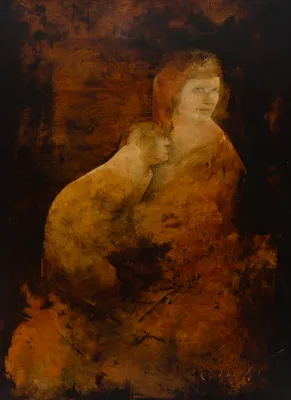
Raimundo Cela (Sobral CE 1890 - Niterói RJ 1954)
Pintor, engraver, teacher.
She trains in Science and Letters at Liceu do Ceará. In 1910, he moved to Rio de Janeiro and enrolled as a free student at the National School of Fine Arts - ENBA. He is a student of Zeferino da Costa (1840 - 1915), Eliseu Visconti (1866 - 1944) and Baptista da Costa (1865 - 1926). At that time, he took a degree in Engineering from the Polytechnic School. Between 1917 and 1922, he traveled to Paris to improve himself. When he returns to Brazil, due to health problems, he lives in Camocim, in the interior of Ceará, and works as an engineer. In 1938, he created a panel on the abolition of slavery for the State Government Palace in Fortaleza. He dedicates himself to his career as a plastic artist more emphatically after 1940, when he moved to Niterói, in Rio de Janeiro. From that date onwards, he teaches metal engraving at Enba. He held the first individual show in 1945, at the National Museum of Fine Arts - MNBA, in Rio de Janeiro. The themes are constant in their production, the landscapes, the popular types and the work of cowboys and fishermen from their homeland. His graphic work also stands out, in which he resumes the same theme. After his death, Casa Raimundo Cela, Centro de Artes Visuais, was created in Fortaleza, where, in 1970, an exhibition of artists from Ceará takes place with the launch of a monograph on the artist. In 2004, the book Raimundo Cela: 1890-1954, authored by Estrigas, was released by the publisher Pinakotheke.
Critical comment
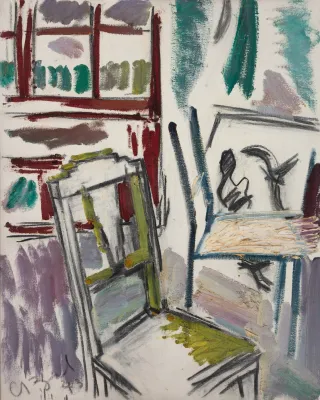
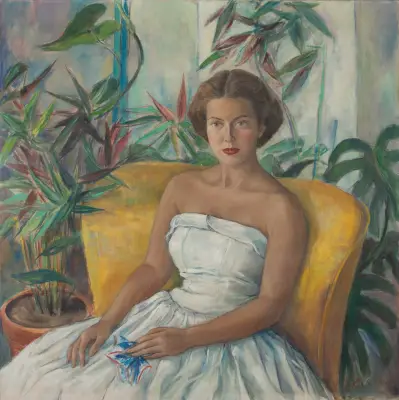
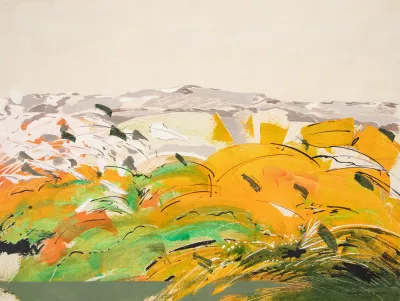
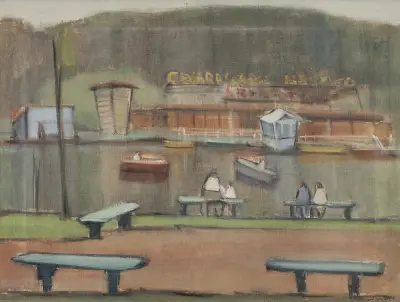
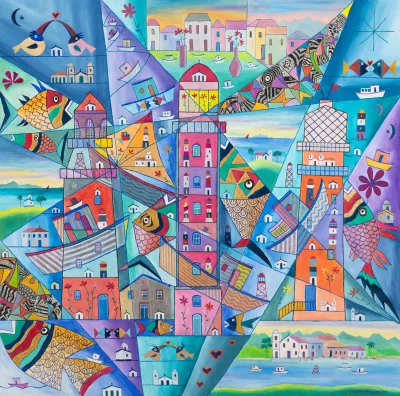
The production of Raimundo cell remains isolated, on the fringes of modernism and other transforming movements in the arts of Brazil. It reveals, however, the landscape and popular figures of Ceará, with sensitivity and restlessness in the face of the social issues of its time. The coastal landscapes and the activities of cowboys, fishermen and jangadeiros, painted with a light and light palette, are constant in their production.
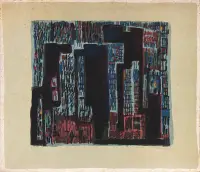
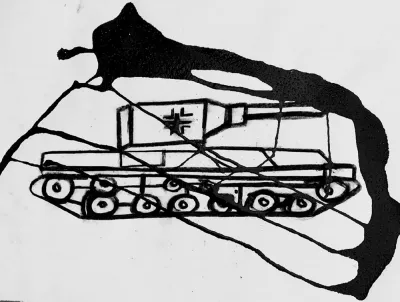
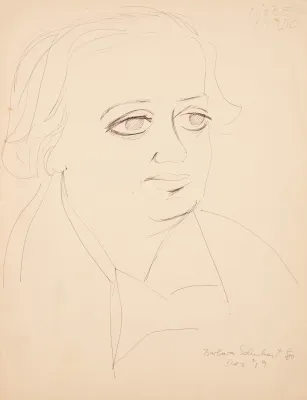
His graphic work also highlights, which reveals the technical domain of the engraving in metal. It deals with the recurring themes in his painting: landscapes, everyday scenes and popular types, using the dark light in a controlled way.
Collective exhibitions
1916 - Rio de Janeiro RJ - 23rd General Exhibition of Belas Arts, at Enba - Small Silver Medal
1917 - Rio de Janeiro RJ - 24th General Exhibition of Fine Arts, ENBA - Exterior Travel Award
1918 - Rio de Janeiro RJ - 25th General Exhibition of Fine Arts, at Enba
1919 - Rio de Janeiro RJ - Carioca Exhibition of Engraving and Strong Water
1922 - Paris (France) - French Artists' Hall
1943 - Fortaleza CE - 1st Salon de Abril
1943 - São Paulo SP - 9th Salão Paulista de Belas Artes, at Galeria Prestes Maia - Small Gold Medal
1945 - Rio de Janeiro RJ -  51st National Salon of Fine Arts, at the MNBA - Gold Medal in Painting
1947 - Rio de Janeiro RJ - 53rd National Salon of Fine Arts, at the MNBA - Gold Medal in Engraving
Postomatic Exhibitions
1964 - Rio de Janeiro RJ - Special room dedicated to his work as a tape recorder, at MNBA
1970 - Fortaleza CE - Collective of artists from Ceará, at the house of Raimundo Cela
1978 - Rio de Janeiro RJ - 1st National Salon of Plastic Arts, at MNBA
1989 - Fortaleza CE - Brazilian art from the 19th and 20th centuries in the Ceará collections: paintings and drawings, at the Unifor Cultural Space
1991 - Fortaleza CE - SCAP: 50 years, at the Imperial Othon Palace Hotel
1992 - Rio de Janeiro RJ - Engraving of Art in Brazil: Proposal for a mapping, at CCBB
1999 - Rio de Janeiro RJ - Mostra Rio engraving. Brazilian modern engraving: National Museum of Fine Arts Collection, at MNBA 
2003 - São Paulo SP - Art and Society: a controversial relationship, at Itaú Cultural
Source: Itaú Cultural