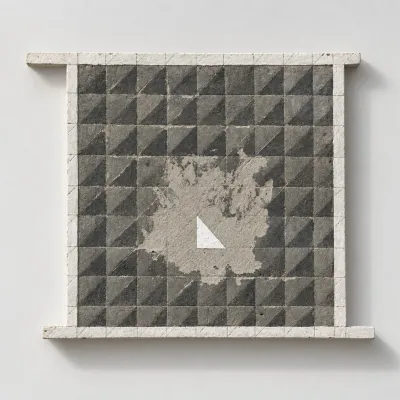
Dudi Maia Rosa (São Paulo SP 1946)
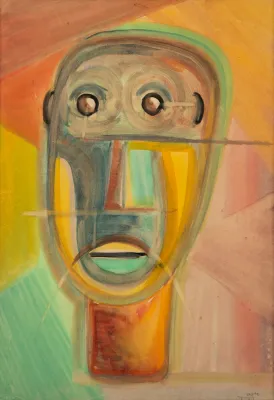
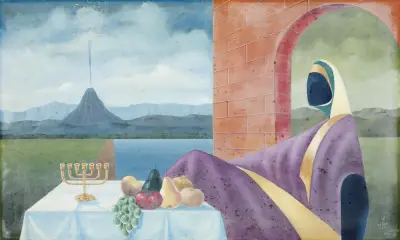
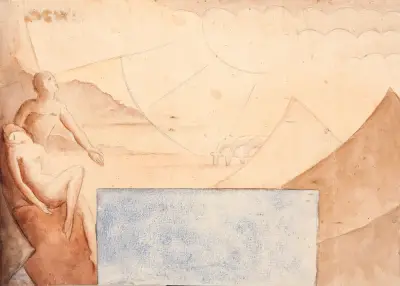
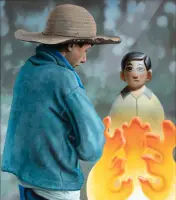
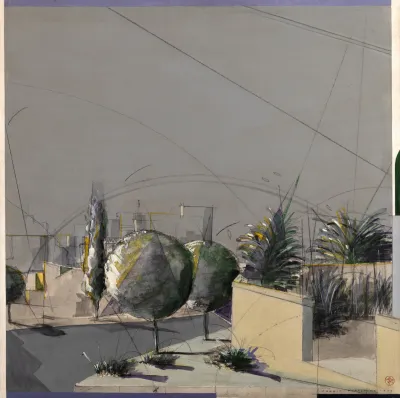
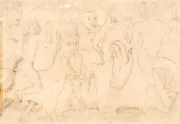
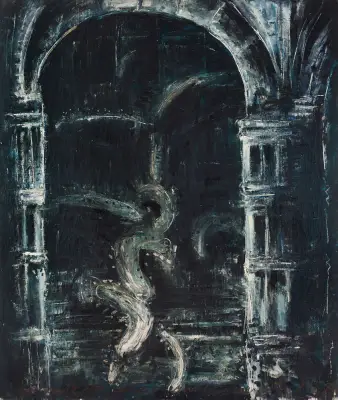
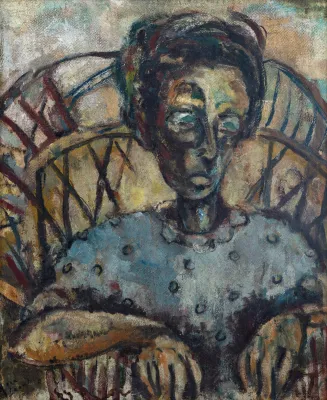
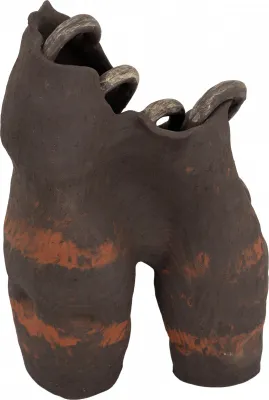
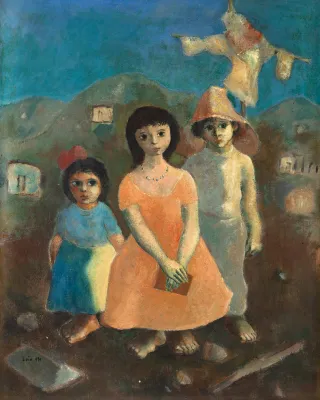
Dudi Maia Rosa is a painter, draftsman and teacher. Rafael Maia Rosa studied printmaking with Trindade Leal (1927) at the Fundação Armando Álvares Penteado - Faap, in São Paulo, in 1966. The artist was initially interested in watercolor and ceramics, later turning to painting. He held his first solo exhibition in 1967, at Galeria Atrium. In 1968, he enrolled at the Faculdade de Engenharia de Mogi das Cruzes and frequented the studio of Wesley Duke Lee (1931 - 2010). In the following years, he lived in England. He returned to Brazil in 1972 and began attending Escola Brasil:, first as a student and later as a teacher. In the 1960s and 1970s, he produced works whose theme is the city of São Paulo, depicted in dreamlike settings. In the 1980s, his painting took on three-dimensional characteristics, marked by gestural painting. The artist began experimenting with synthetic resin, which allows for a range of transparencies and tones in his works. In some works, he inserts writing, such as biblical quotations, or indefinite, evanescent figures.
Critical Commentary
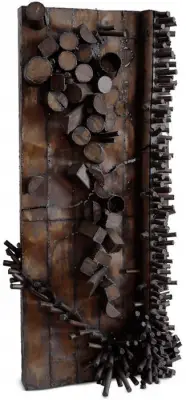
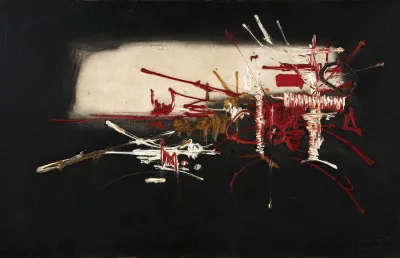
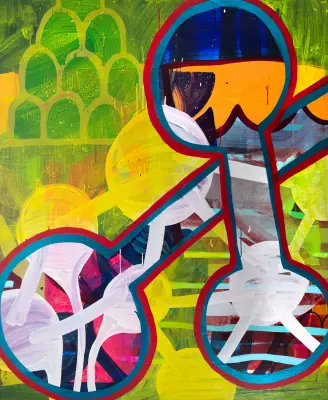
Dudi Maia Rosa studied printmaking at the Fundação Armando Álvares Penteado - Faap in 1966. In the early 1970s, he devoted himself to printmaking and watercolor under the guidance of Babinski (1931). He attended Escola Brasil: between 1971 and 1974, where he later became a teacher. From the 1980s onward, he produced paintings linked to abstraction, using supports cut into unusual shapes: triangles or semicircles. In these canvases he explores graphic marks and textures, as in Sim [Yes] (1981).
Starting from an investigation of the support, he began producing works in which he uses the color and transparency of surfaces, obtained no longer by means of brush and canvas but through the exploration of other materials - fiberglass, for example. In these works he deepens the expressive potential of the new materials, as in the series Portas [Doors] (1986). He cites as references for his work with fiberglass the output of the American artists Ron Davis (1937) and Jasper Johns (1930), and also of Mark Rothko (1903 - 1970), the latter in more recent works.
In the opinion of critic Agnaldo Farias, Dudi Maia Rosa, after taking an active part in Escola Brasil: with abstract works, followed a path that coincides with that of Cássio Michalany (1949) and Carlos Fajardo (1941) in their critique of the role assumed by painting and sculpture in the depiction of the world.
The artist frames a certain area in wood, which is filled with sheets of fiberglass alternating with resins mixed with pigments. The characteristics of the material used and the differences in the thickness of the layers result in different ways of capturing light. Thus, the works reveal different transparencies and tones. In these works, light and color act physically on each other. Rather than being representations of events in the world, they seek to be concrete phenomena in themselves.
Critiques
"(...) Tamer of an unusual abstraction (...) 'He places himself outside the work, he is interested in the interiorization of the work and attains a critical sense,' says curator Sheila Leirner. 'That is where his contemporaneity lies.' (...) Dudi, after all, admits that he has reconsidered several stories from his own past, such as figuration and the presence of the eye. 'I've gone back to the surface of the canvas,' he warns. 'And perhaps I'm presenting the reverse of what people expect of my work.' To explain: despite working from 'behind' the picture (picture?), as if recovering the printmaker he once was, Dudi looks at the side that had been laid down in the plastic skin and digs in, still wanting more, scratching the surface of the support/work, sticking on papers later eased off with whatever tool is at hand, making and remaking coded love messages. (...) 'I don't know what to call the works, or this kind of work, because what interests me is not the work itself but the discussion it generates,' he says, letting out, like a flustered messenger, all the secrets he carries. 'That's the fun of life. I don't want to trip over formalities.'"
Rosângela Petta
PETTA, Rosângela. Um mergulho na superfície da tela. Guia das Artes, São Paulo: Casa Editorial Paulista, v. 2, n. 6, p. 12-14, 1987.
"Although recognized by part of the critics as a good professional, Dudi only had his works in circulation from 1982 onward. 'Before, everything was done in the spirit of experimentation. In fact, there was a coincidence: my works took off at the moment they were asserting themselves within a process.' Despite his success in painting, it was printmaking that first drew him in. (...) In his early paintings the triangle was worked on the plane and, at times, revealed itself on another plane. 'That came from figuration, and it was still hard for me to position it.' In the 1982 canvases Dudi solved the problem of space; then he freed himself, expanded and gained scale. (...) 'Size is the backbone of my paintings, but on the other hand I would also like to try other approaches that could be distilled into small dimensions.' At first, Dudi's painting dealt with planes and reliefs, and later with empty spaces and transparencies. The inserted rectangles, which give an idea of volume, and the cut-out canvases arise as the work is being made."
Leonor Amarante
AMARANTE, Leonor. Dudi Maia Rosa: nos limites da pintura. Galeria: revista de arte, São Paulo: Area Editorial, n. 9, p. 44-49, 1988.
"The desire for transcendence is the factor that gives unity to Dudi Maia Rosa's recent trajectory. Ever since he abandoned figuration in the 1980s, ever since his paintings turned inward, bending to their own inner disquiet, they began to announce that something was cocooned within them; something that they - which from that point on came to be made of fiberglass - allowed to show through in the methodical geometry of the composition of the pictorial field, or even in the sudden and often exasperated destabilization of the monochrome plane that served as their surface. In this respect, Dudi Maia Rosa set himself apart from most of the other artists who chose the same path but arrived at a more arid poetics, confined exclusively to the mental plane. Although he started from the same rejection of the old aesthetic principle that assigned painting the role of representing the world, in his case awareness of the plane, the notion of painting as an object in itself, did not prevent the eradication of expressiveness as prescribed by the minimalist model."
Agnaldo Farias
DUDI Maia Rosa, Marcos Coelho Benjamin, Adriana Varejão. Johannesburg: Fundação Bienal de São Paulo, 1995. p. 5.
Collections
Acervo Banco Itaú - São Paulo SP
Centro Cultural São Paulo (CCSP) - São Paulo SP
Coleção Fundação Padre Anchieta - São Paulo SP
Coleção Instituto Takano - São Paulo SP
Coleção Metrópolis de Arte Contemporânea - São Paulo SP
Coleção SESC - São Paulo SP
Museu de Arte Contemporânea da Universidade de São Paulo (MAC/USP) - São Paulo SP
Museu de Arte Contemporânea de Niterói (MAC-Niterói) - Niterói RJ
Museu de Arte Contemporânea do Paraná (MAC/PR) - Curitiba PR
Museu de Arte de São Paulo Assis Chateaubriand (Masp) - São Paulo SP
Museu de Arte do Rio Grande do Sul Ado Malagoli (Margs) - Porto Alegre RS
Museu de Arte Moderna (MAM/SP) - São Paulo SP
Museu de Arte Moderna (MAM/RJ) - Rio de Janeiro RJ
Museu Victor Meirelles - Florianópolis SC
Pinacoteca do Estado de São Paulo (Pesp) - São Paulo SP
Stedelijk Museum - Amsterdam (Netherlands)
Solo Exhibitions
1978 - São Paulo SP - Solo, at Masp
1979 - São Paulo SP - Solo, at Galeria Pindorama
1982 - São Paulo SP - Solo, at Galeria São Paulo
1984 - Rio de Janeiro RJ - Solo, at Galeria Thomas Cohn
1985 - São Paulo SP - Solo, at Subdistrito Comercial de Arte
1991 - São Paulo SP - Solo, at Capela do Morumbi
1991 - São Paulo SP - Solo, at Subdistrito Comercial de Arte
1991 - São Paulo SP - Solo, at Centro Cultural São Paulo
1993 - Porto Alegre RS - Solo, at Instituto Estadual de Artes Visuais
1993 - São Paulo SP - Solo, at Galeria Millan
1993 - São Paulo SP - Solo, at Galeria São Paulo
1997 - São Paulo SP - Solo, at Valu Oria Galeria de Arte
1998 - São Paulo SP - Solo, at Centro Cultural Vergueiro
2001 - São Paulo SP - Solo, at Galeria Brito Cimino
2002 - São Paulo SP - Solo, at Centro Universitário Maria Antonia
2004 - São Paulo SP - Solo, at Galeria Brito Cimino
2004 - São Paulo SP - Solo, at Centro Cultural São Paulo
2006 - Rio de Janeiro RJ - Solo, at Mercedes Viegas Arte Contemporânea
2008 - São Paulo SP - Eu Sou Um Outro [I Am an Other], at Instituto Tomie Ohtake
2009 - São Paulo SP - Solo, at Galeria Millan
Group Exhibitions
1967 - São Paulo SP - Group show, at Galeria Atrium
1971 - São Paulo SP - 5th Jovem Arte Contemporânea [Young Contemporary Art], at MAC/USP - acquisition prize
1973 - São Paulo SP - 5th Panorama of Current Brazilian Art, at MAM/SP
1978 - São Paulo SP - Papéis e Cia [Papers & Co.], at Paço das Artes
1979 - São Paulo SP - O Desenho como Instrumento [Drawing as an Instrument], at Pinacoteca do Estado
1981 - São Paulo SP - Artistas Contemporâneos Brasileiros [Contemporary Brazilian Artists], at Escritório de Arte São Paulo
1982 - Rio de Janeiro RJ - Entre a Mancha e a Figura [Between the Stain and the Figure], at MAM/RJ
1982 - São Paulo SP - Brasiliana e Brasileiros [Brasiliana and Brazilians], at Masp
1983 - Rio de Janeiro RJ - 3 x 4 Grandes Formatos [3 x 4 Large Formats], at Galeria do Centro Empresarial Rio
1984 - Rio de Janeiro RJ - Viva a Pintura [Long Live Painting], at Petite Galerie
1986 - Fortaleza CE - 1st International Exhibition of Ephemeral Sculptures
1986 - São Paulo SP - 17th Panorama of Current Brazilian Art, at MAM/SP
1987 - São Paulo SP - 19th São Paulo International Biennial, at Fundação Bienal
1987 - São Paulo SP - A Trama do Gosto: um outro olhar sobre o cotidiano [The Fabric of Taste: Another Look at Everyday Life], at Fundação Bienal
1988 - Leverkusen (Germany) - Brasil Já [Brazil Now], at Museum Morsbroich
1988 - Stuttgart (Germany) - Brasil Já [Brazil Now], at Galerie Landesgirokasse
1989 - Hannover (Germany) - Brasil Já [Brazil Now], at Sprengel Museum
1989 - São Paulo SP - 20th São Paulo International Biennial, at Fundação Bienal
1989 - São Paulo SP - 20th Panorama of Current Brazilian Art, at MAM/SP
1990 - Atami (Japan) - 9ª Exposição Brasil-Japão de Arte Contemporânea [9th Brazil-Japan Contemporary Art Exhibition]
1990 - Brasília DF - 9ª Exposição Brasil-Japão de Arte Contemporânea [9th Brazil-Japan Contemporary Art Exhibition]
1990 - Los Angeles (United States) - Brazil Projects' 90, at Municipal Art Gallery
1990 - Rio de Janeiro RJ - 9ª Exposição Brasil-Japão de Arte Contemporânea [9th Brazil-Japan Contemporary Art Exhibition]
1990 - São Paulo SP - 9ª Exposição Brasil-Japão de Arte Contemporânea [9th Brazil-Japan Contemporary Art Exhibition], at Fundação Brasil-Japão
1990 - São Paulo SP - Brazil Projects' 90, at Masp
1990 - Sapporo (Japan) - 9ª Exposição Brasil-Japão de Arte Contemporânea [9th Brazil-Japan Contemporary Art Exhibition]
1990 - Tokyo (Japan) - 9ª Exposição Brasil-Japão de Arte Contemporânea [9th Brazil-Japan Contemporary Art Exhibition]
1991 - São Paulo SP - O Que Faz Você Agora Geração 60?: jovem arte contemporânea dos anos 60 revisitada [What Are You Doing Now, Generation 60?: Young Contemporary Art of the 60s Revisited], at MAC/USP
1992 - Ankara (Turkey) - Sanart
1992 - Rio de Janeiro RJ - 1ª A Caminho de Niterói: Coleção João Sattamini [1st On the Way to Niterói: João Sattamini Collection], at Paço Imperial
1992 - São Paulo SP - Branco Dominante [Dominant White], at Escritório de Arte São Paulo
1992 - São Paulo SP - Galeria Millan: mostra inaugural [Galeria Millan: Inaugural Show], at Galeria Millan
1992 - São Paulo SP - João Sattamini/Subdistrito, at Casa das Rosas
1993 - São Paulo SP - 23rd Panorama of Current Brazilian Art, at MAM/SP
1994 - São Paulo SP - 22nd São Paulo International Biennial, at Fundação Bienal
1994 - São Paulo SP - Bienal Brasil Século XX [20th-Century Brazil Biennial], at Fundação Bienal
1994 - São Paulo SP - Marinhas [Seascapes], at Galeria Nara Roesler
1995 - Johannesburg (South Africa) - Johannesburg Biennale
1995 - Santos SP - 5th Santos National Biennial, at Centro Cultural Patrícia Galvão
1995 - São Paulo SP - 1st United Artists, at Casa das Rosas
1996 - São Paulo SP - Arte Brasileira: 50 anos de história no acervo MAC/USP: 1920/1970 [Brazilian Art: 50 Years of History in the MAC/USP Collection: 1920/1970], at MAC/USP
1997 - São Paulo SP - Arte Cidade: a cidade e suas histórias [Arte Cidade: The City and Its Stories]
1998 - Belo Horizonte MG - Terra e Mar à Vista [Land and Sea in Sight], at Itaú Cultural
1998 - Brasília DF - Terra e Mar à Vista [Land and Sea in Sight], at Itaugaleria
1998 - Niterói RJ - Espelho da Bienal [Mirror of the Biennial], at MAC/Niterói
1998 - Penápolis SP - Terra e Mar à Vista [Land and Sea in Sight], at Itaugaleria
1998 - Porto Alegre RS - Remetente [Sender], at Espaço Cultural ULBRA
1998 - Rio de Janeiro RJ - 16th National Visual Arts Salon, at MAM/RJ
1998 - São Paulo SP - A Arte de Expor Arte [The Art of Exhibiting Art], at MAM/SP
1998 - São Paulo SP - A Falta [The Lack], at Valu Oria Galeria de Arte
1998 - São Paulo SP - Afinidades Eletivas I: o olhar do colecionador [Elective Affinities I: The Collector's Eye], at Casa das Rosas
1998 - São Paulo SP - Múltiplos [Multiples], at Valu Oria Galeria de Arte
1998 - São Paulo SP - Novas Curadorias [New Curatorships], at MAM/SP
1998 - São Paulo SP - Programa Anual de Exposições de Artes Plásticas [Annual Visual Arts Exhibition Program], at CCSP
1998 - São Paulo SP - Viagens. Terra e Mar à Vista [Land and Sea in Sight], at Itaú Cultural
1999 - Ribeirão Preto SP - Dudi Maia Rosa, Cristina Rogozinski, Eliane Prolik, Frederico Pinto, Luiz Hermano, Marcia Pastore e Paulo Humberto [Dudi Maia Rosa, Cristina Rogozinski, Eliane Prolik, Frederico Pinto, Luiz Hermano, Marcia Pastore and Paulo Humberto], at Museu de Arte de Ribeirão Preto Pedro Manuel-Gismondi
1999 - São Paulo SP - Programa Anual de Exposições de Artes Plásticas [Annual Visual Arts Exhibition Program], at CCSP
1999 - São Paulo SP - United Artists: Viagens de Identidades [United Artists: Journeys of Identities], at Casa das Rosas
2000 - Curitiba PR - 12ª Mostra da Gravura de Curitiba. Marcas do Corpo, Dobras da Alma [12th Curitiba Printmaking Show. Marks of the Body, Folds of the Soul]
2000 - São Paulo SP - Brasil + 500 Mostra do Redescobrimento [Brazil + 500 Rediscovery Exhibition], at Fundação Bienal
2000 - São Paulo SP - III, at Galeria Brito Cimino
2001 - Porto Alegre RS - Coleção Liba e Rubem Knijnik: arte brasileira contemporânea [Liba and Rubem Knijnik Collection: Contemporary Brazilian Art], at Margs
2001 - Rio de Janeiro RJ - O Espírito de Nossa Época [The Spirit of Our Time], at MAM/RJ
2001 - São Paulo SP - Anos 70: Trajetórias [The 70s: Trajectories], at Itaú Cultural
2001 - São Paulo SP - O Espírito de Nossa Época [The Spirit of Our Time], at MAM/SP
2001 - São Paulo SP - Trajetória da Luz na Arte Brasileira [The Trajectory of Light in Brazilian Art], at Itaú Cultural
2002 - Fortaleza CE - Ceará Redescobre o Brasil [Ceará Rediscovers Brazil], at Centro Dragão do Mar de Arte e Cultura
2002 - Niterói RJ - Coleção Sattamini: modernos e contemporâneos [Sattamini Collection: Moderns and Contemporaries], at MAC-Niterói
2002 - São Paulo SP - 28 (+) Pintura [28 (+) Painting], at Espaço Virgílio
2002 - São Paulo SP - Genius Loci: o espírito do lugar [Genius Loci: The Spirit of Place], in the streets of the Vila Buarque neighborhood
2002 - São Paulo SP - Mapa do Agora: arte brasileira recente na Coleção João Sattamini do Museu de Arte Contemporânea de Niterói [Map of the Now: Recent Brazilian Art in the João Sattamini Collection of the Museu de Arte Contemporânea de Niterói], at Instituto Tomie Ohtake
2002 - São Paulo SP - Ópera Aberta: celebração [Open Opera: Celebration], at Casa das Rosas
2002 - São Paulo SP - Paralela, in a warehouse at Avenida Matarazzo, 530, São Paulo. Exhibition conceived and organized jointly by the galleries Fortes Vilaça, Luisa Strina, Casa Triângulo and Brito Cimino
2003 - São Paulo SP - Estética do Fluido [Aesthetics of the Fluid], at Espaço MAM/Villa-Lobos
2003 - São Paulo SP - Meus Amigos [My Friends], at Espaço MAM - Villa-Lobos
2003 - São Paulo SP - Tomie Ohtake na Trama Espiritual da Arte Brasileira [Tomie Ohtake in the Spiritual Fabric of Brazilian Art], at Instituto Tomie Ohtake
2004 - Campinas SP - Coleção Metrópolis de Arte Contemporânea [Metrópolis Contemporary Art Collection], at Espaço Cultural CPFL
2004 - Rio de Janeiro RJ - Tomie Ohtake na Trama Espiritual da Arte Brasileira [Tomie Ohtake in the Spiritual Fabric of Brazilian Art], at MNBA
2004 - São Paulo SP - Arte Contemporânea no Acervo Municipal [Contemporary Art in the Municipal Collection], at CCSP
2004 - São Paulo SP - Versão Brasileira [Brazilian Version], at Galeria Brito Cimino
Source: Itaú Cultural